
THE OBJECT EDIT
JULY 2025 ISSUE
Sacred Ground | The Evolution of the Bed
the bed is more than furniture
It’s the center of rest, intimacy, reflection, and historically, status. Across cultures and centuries, beds have morphed from stone platforms into intentional sanctuaries that anchor the room and reset the soul.
In Neolithic times, the concept of a "bed" was deeply practical. People shaped elevated stone platforms, layering them with animal hides, straw, or woven grasses to provide insulation from the cold earth. These early beds were as much about survival as they were about rest, a shield from the damp and the wild.
By the time of Ancient Egypt, the bed had begun to take on symbolic weight. Wooden bedframes were raised high above the floor, not only for protection against insects but as a marker of status and sacred space. Pharaohs and nobles reclined on meticulously carved headrests and fine linens, often surrounded by amulets meant to guard their dreams. The bed had become more than a resting place, it was a throne for sleep, woven into beliefs about life, death, and rebirth.
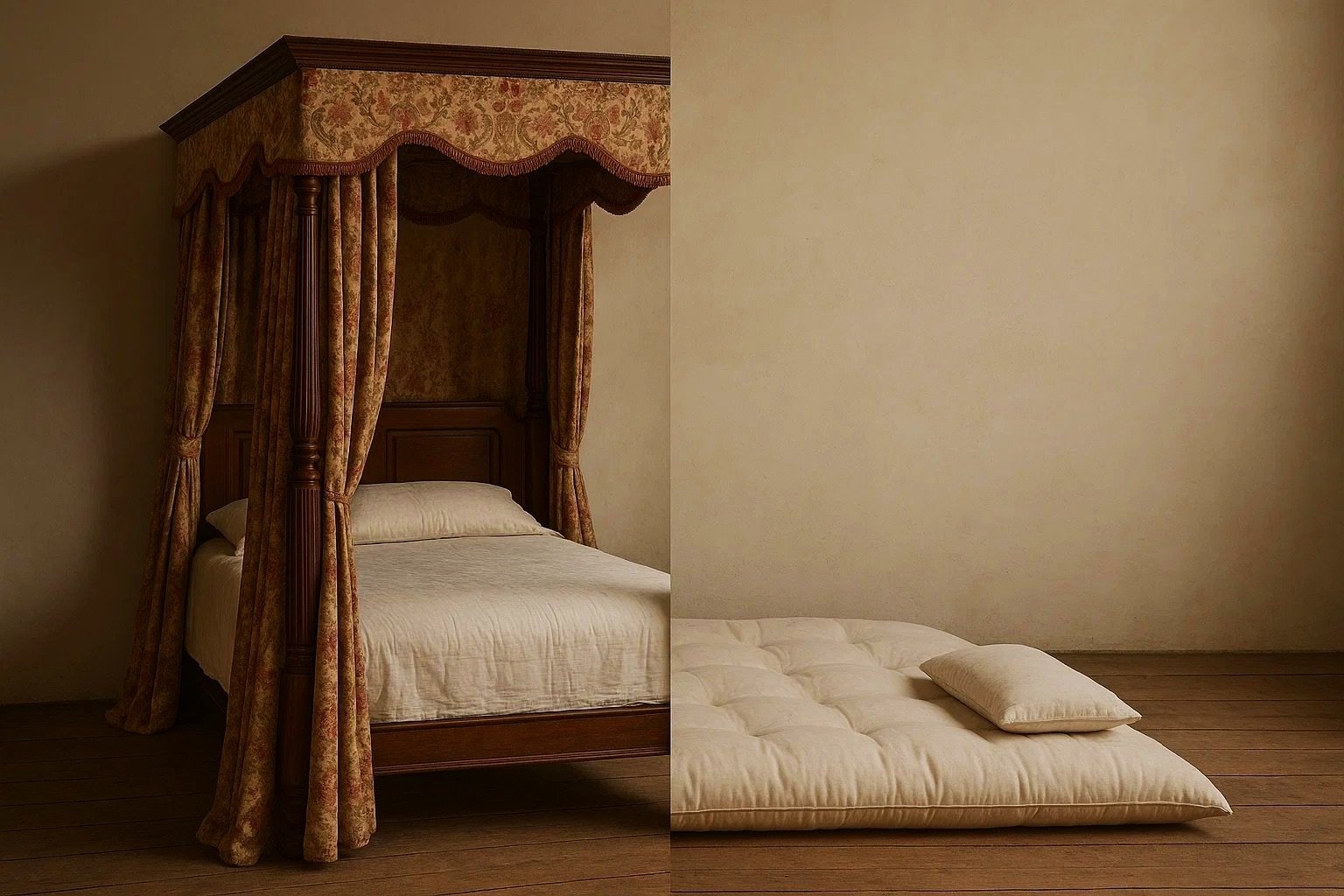
In the Middle Ages, beds grew more elaborate, becoming central to both domestic life and architectural interiors. The wealthy slept in canopied four-poster beds, enveloped in heavy drapes for warmth and privacy. These beds often served as miniature rooms within rooms, offering a cocoon-like retreat from the chill and bustle of castle life. During the Renaissance, craftsmanship flourished, intricate wood carvings, embroidered fabrics, and layered textures turned the bed into a work of art and a statement of wealth and refinement.
Each era layered new meaning onto the bed: as protection, power, privacy, or poetry. And through each transformation, one thing remained: the bed was always a reflection of how we understood comfort, ritual, and our most intimate selves.
In the 1700s, canopy beds weren’t just for show, they were smart insulation tools, trapping heat during frigid nights. Meanwhile, in Japan and parts of Southeast Asia, minimal futon-style bedding reflected space-conscious living and an emphasis on calm, grounded design.
Design Tips for Today’s Bed as a Sacred Object
1. Know Your Mattress Personality
Soft mattresses offer cocoon-like comfort for side sleepers, while firm options ground back or stomach sleepers. Hybrid beds strike a balance for those craving both structure and sink.
2. To Headboard or Not?
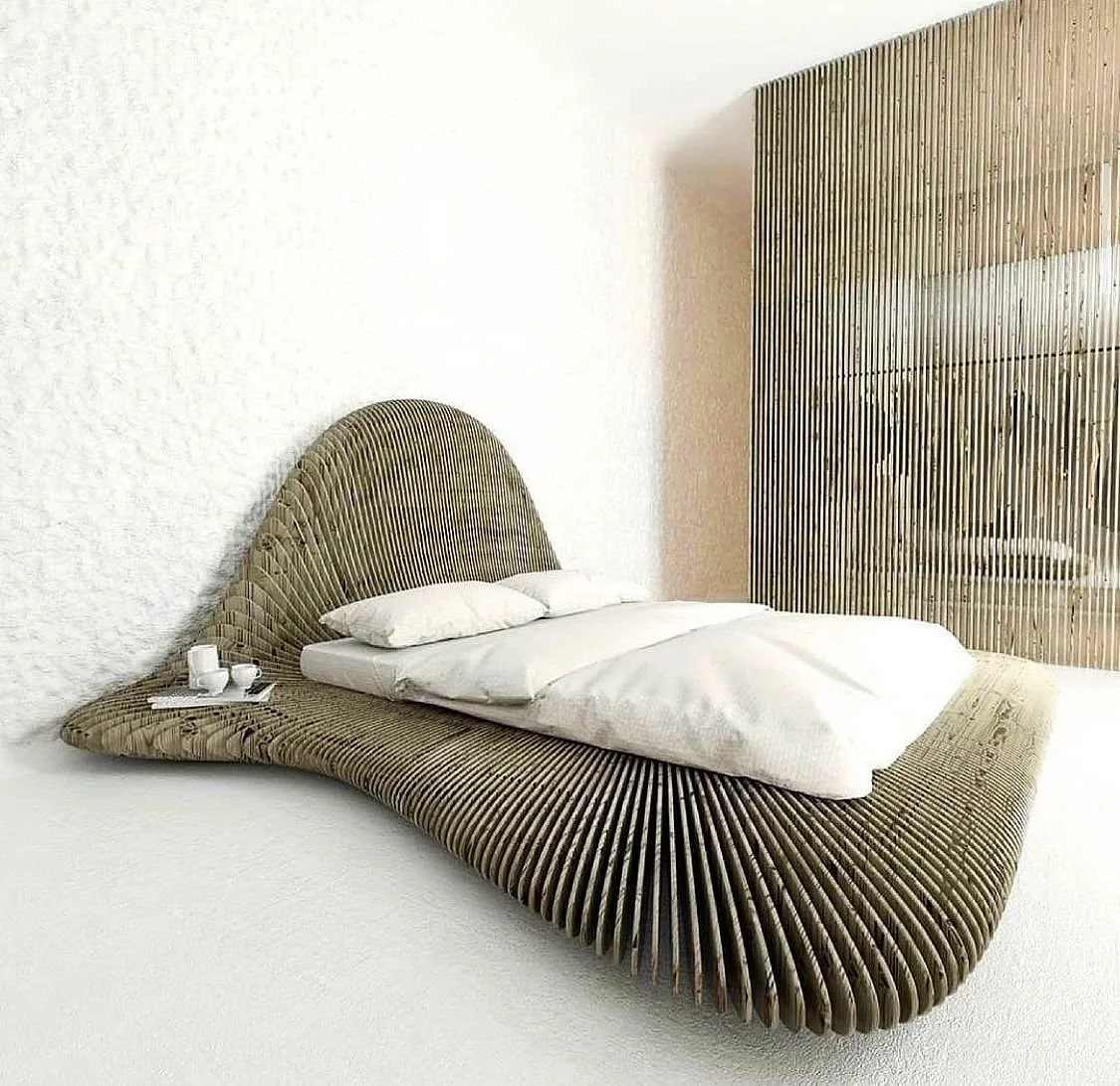
A headboard adds presence and structure, anchoring the bed visually. But a no-headboard approach, especially with Japandi or wabi-sabi designs, supports a lighter, more grounded space.
3. Energy Through Bed Frames
Natural wood frames offer warmth and softness. Sleek metal frames feel more modern but may need layering for balance. Platform beds with low profiles support a calming, grounded effect.
4. Texture Is Everything
Layering linen sheets, cotton throws, and quilted blankets adds sensory depth. Neutral palettes with touches of clay, taupe, or charcoal create a peaceful palette rooted in the earth.
5. Feng Shui Wisdom
Place your bed so it has a solid wall behind it, ideally with visibility of the door — but not directly in line with it. Avoid mirrors facing the bed and keep space under the bed clear for good energy flow.




The bed is not just a place to rest the body, but a cradle for dreams, a keeper of rituals, and the silent witness to our becoming.
Sources & Inspirations
“The History of Beds” – The Sleep Council UK
“Sacred Spaces: Design & Ritual” – Elle Decor
“Japandi Style: A Perfect Blend of Scandinavian and Japanese Design” – Architectural Digest
“Feng Shui Bedroom Tips” – The Spruce
“Layered Bedding 101” – Parachute Home Blog