
MAR - APR 2026 ISSUE
DESIGN & PSYCHOLOGY
THE PSYCHOLOGY OF CORNERS
WHY SOME ROOMS FEEL SAFER THAN OTHERS
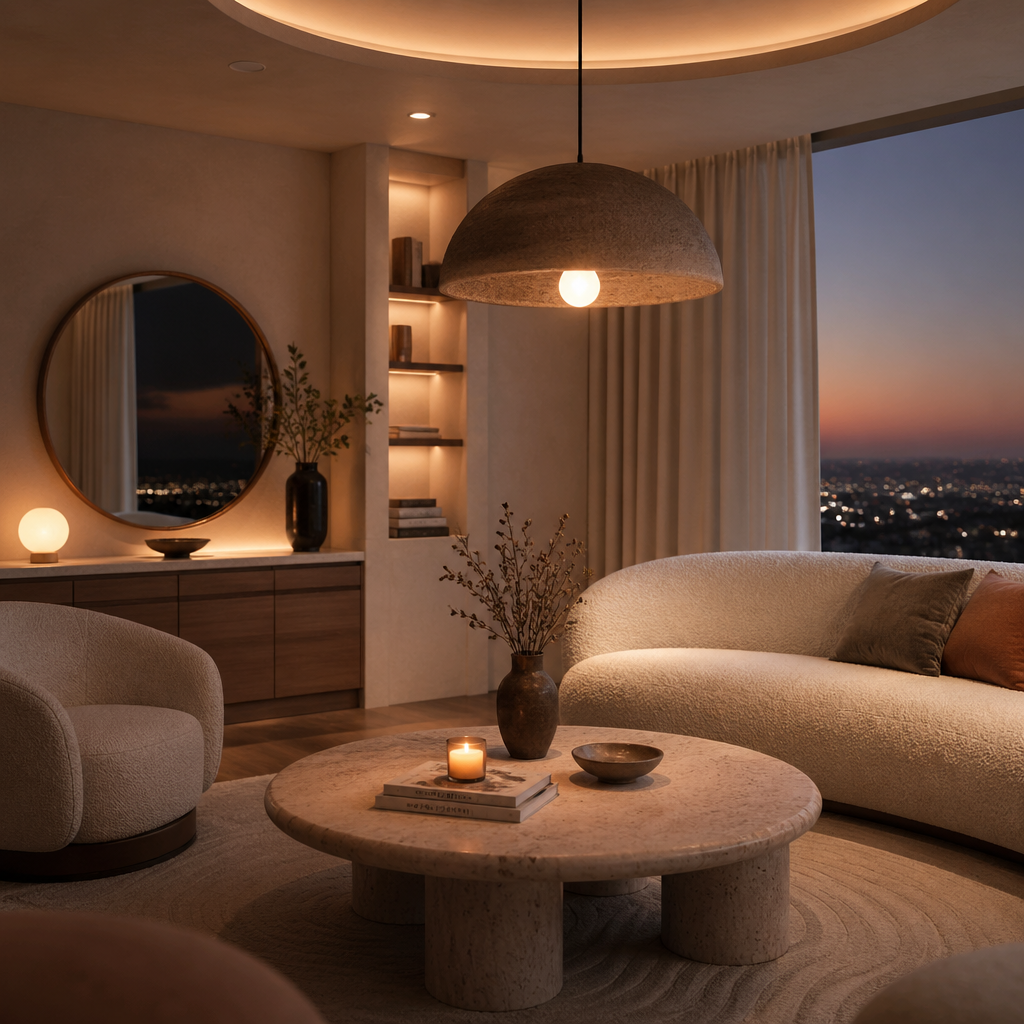
There are rooms you enter without thinking. And then there are rooms where your body reacts before your mind does.
You sit a little straighter. You notice more. You don’t fully relax, even if nothing is technically wrong. It’s subtle, almost unnameable, but it’s there. Often, we blame lighting, or color.
But sometimes, the answer is much quieter…
It’s the corners.
The Body Reads Shape Before It Understands Design
Long before we had language for interiors, we had instinct. The human brain is wired to read environments quickly, scanning for safety, movement, and potential threat. Sharp angles, pointed edges, and abrupt lines signal something very different to the body than soft curves and rounded forms.
Corners, especially sharp ones, create visual tension. They direct the eye quickly, almost abruptly. There’s a sense of structure, of order, but also of alertness.
Curves, on the other hand, slow everything down. They guide the eye gently. They don’t demand attention, they allow it.
And because of that, they often feel safer.

Why Sharp Spaces Feel… Slightly On Edge
Think of a room filled with straight lines. Clean walls, defined edges, or corners that meet decisively. There’s clarity in that, precision, even beauty.
This is where movements like Bauhaus found their strength, geometry, discipline, form reduced to its essence. Nothing unnecessary. Everything intentional. But here’s the interesting part, that same precision can sometimes feel… intense. Not overwhelming, not uncomfortable, just slightly on.
I believe sharp angles don’t just define a space, they activate it. They keep the eye moving. The mind engaged. The body aware.
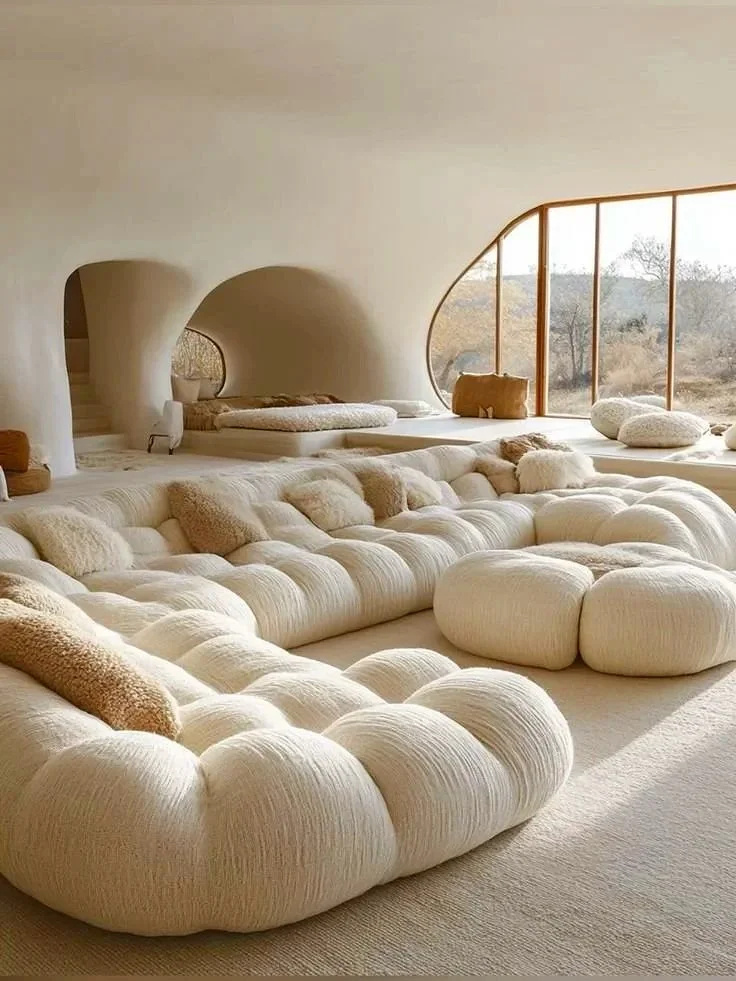
The Rise of Softer Spaces

Think of a room where edges soften, a rounded chair, an arched doorway, a table without corners, or even something as small as a curved lamp or a draped fabric edge.
The shift becomes immediate. Nothing is asking you to react. Your shoulders drop. your breathing slows, almost without permission.
This isn’t accidental…
Studies in environmental psychology suggest that humans are naturally drawn to curved forms because they feel more approachable, less threatening. This is due to sharpness suggesting caution, softness suggests ease.
And in a world where we are constantly stimulated… Ease has become a luxury.
Between Bauhaus and Now
This is where the conversation becomes interesting. Bauhaus gave us structure and discipline, it gave us the beauty of clarity. It taught us that design could be stripped back and still feel powerful.
Modern living is asking something slightly different, not just:
What does this space look like?
But:
How does this space hold me?
And so, we’re seeing a shift. Not a shift away from structure, but away from rigidity.


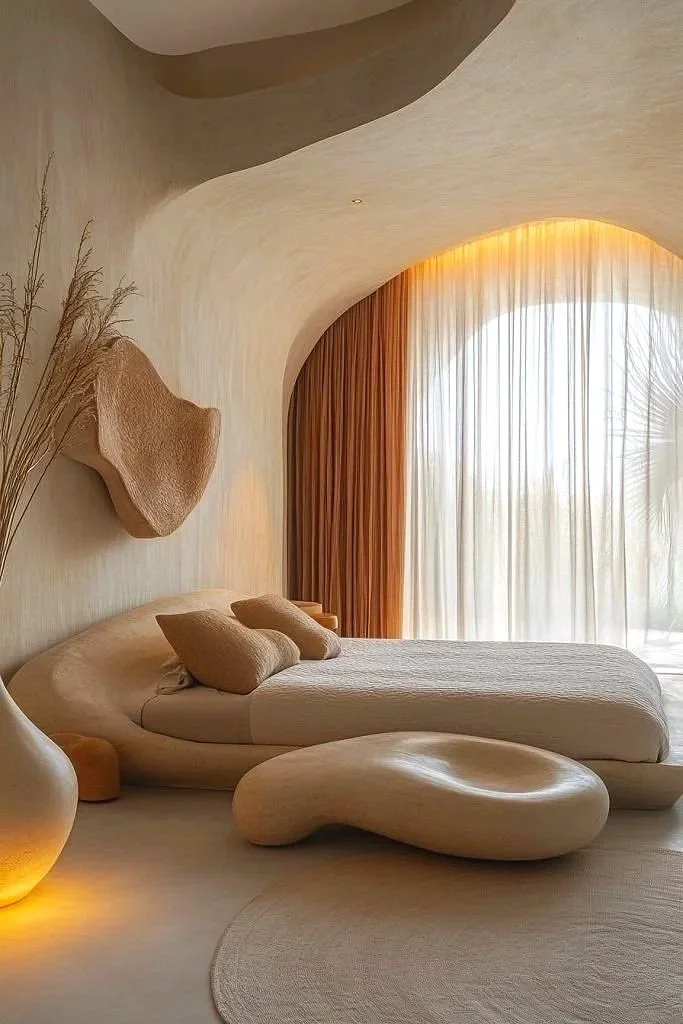
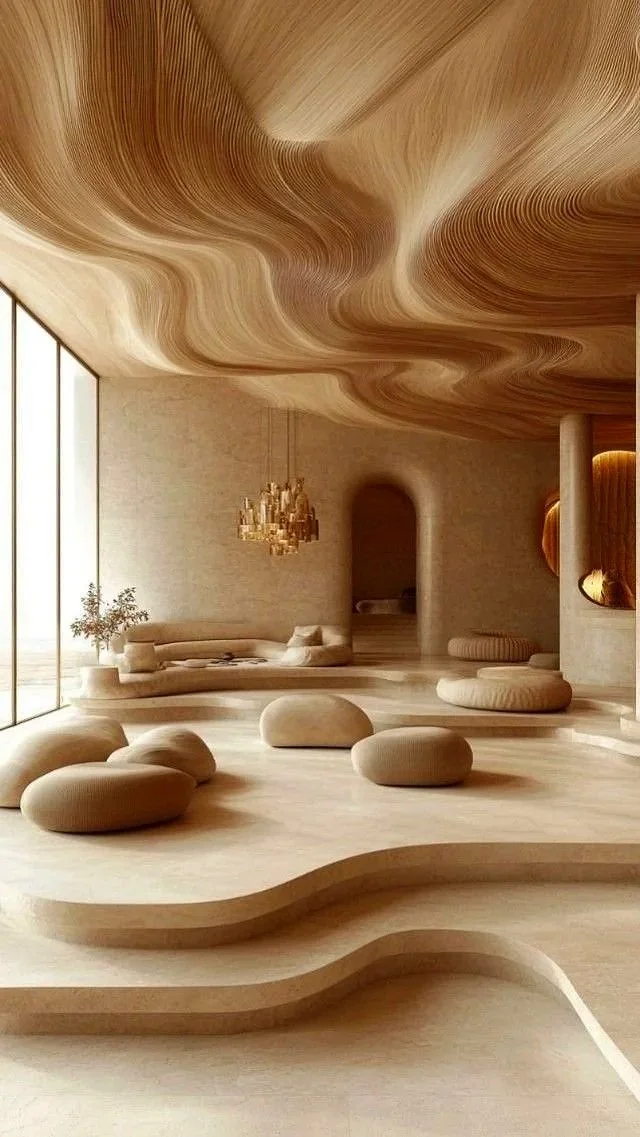
You don’t need to redesign a room to feel this difference. Sometimes it’s as simple as introducing one softer element into a structured space. Not all comfort comes from what we add, sometimes, it just comes from what we soften.