
MAY - JUN 2026 ISSUE
DESIGN
The DREAM NURSERY
DESIGNING A SPACE THAT SUPPORTS BOTH BABY AND MOTHER
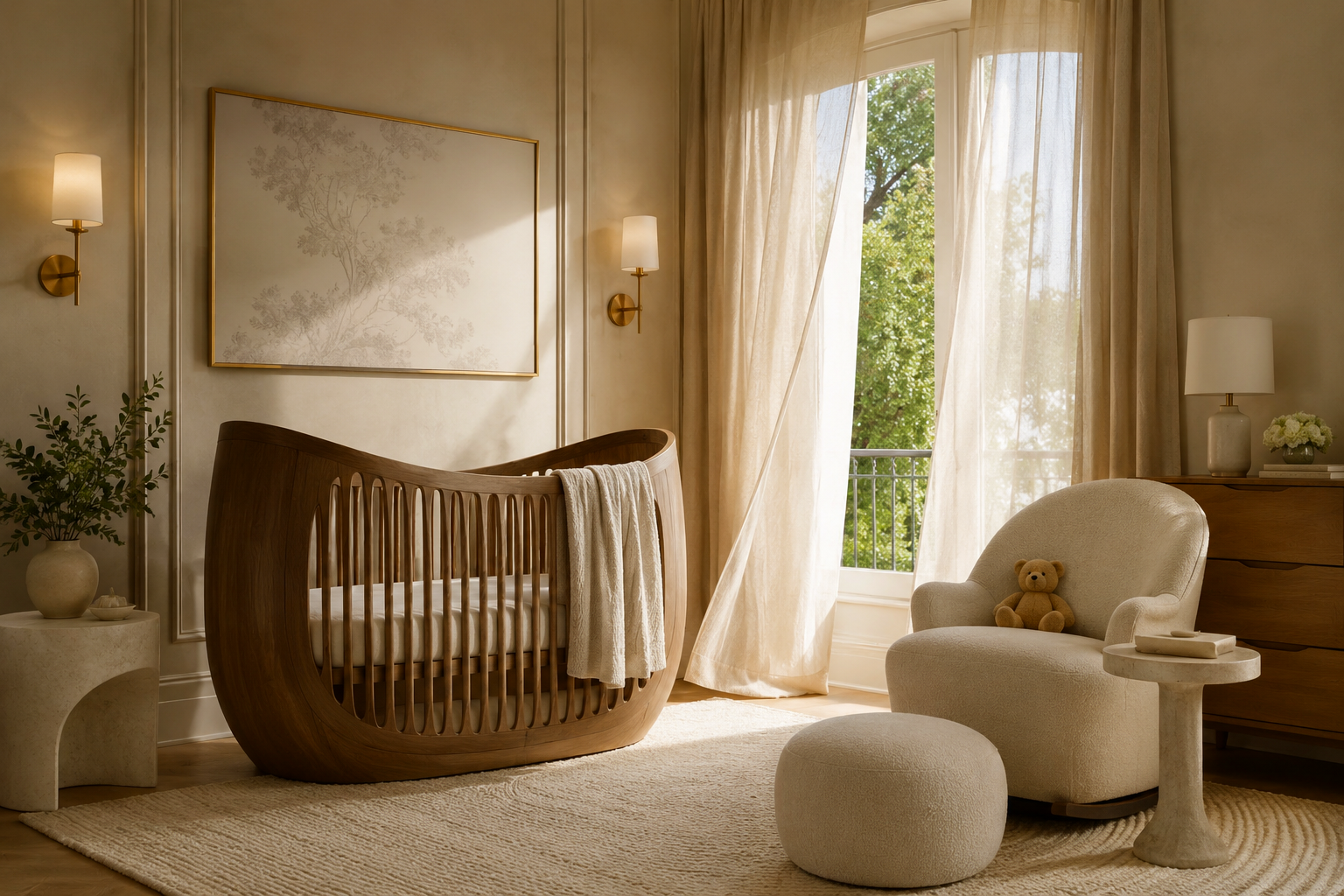
More Than a Beautiful Room
Before a baby understands language, they understand atmosphere, light, sound, temperature, movement, and familiarity.
And perhaps that’s why nurseries feel so emotional to create. They are often designed long before the baby arrives, yet somehow already carry anticipation, protection, tenderness, and hope.
But today’s nurseries are changing.
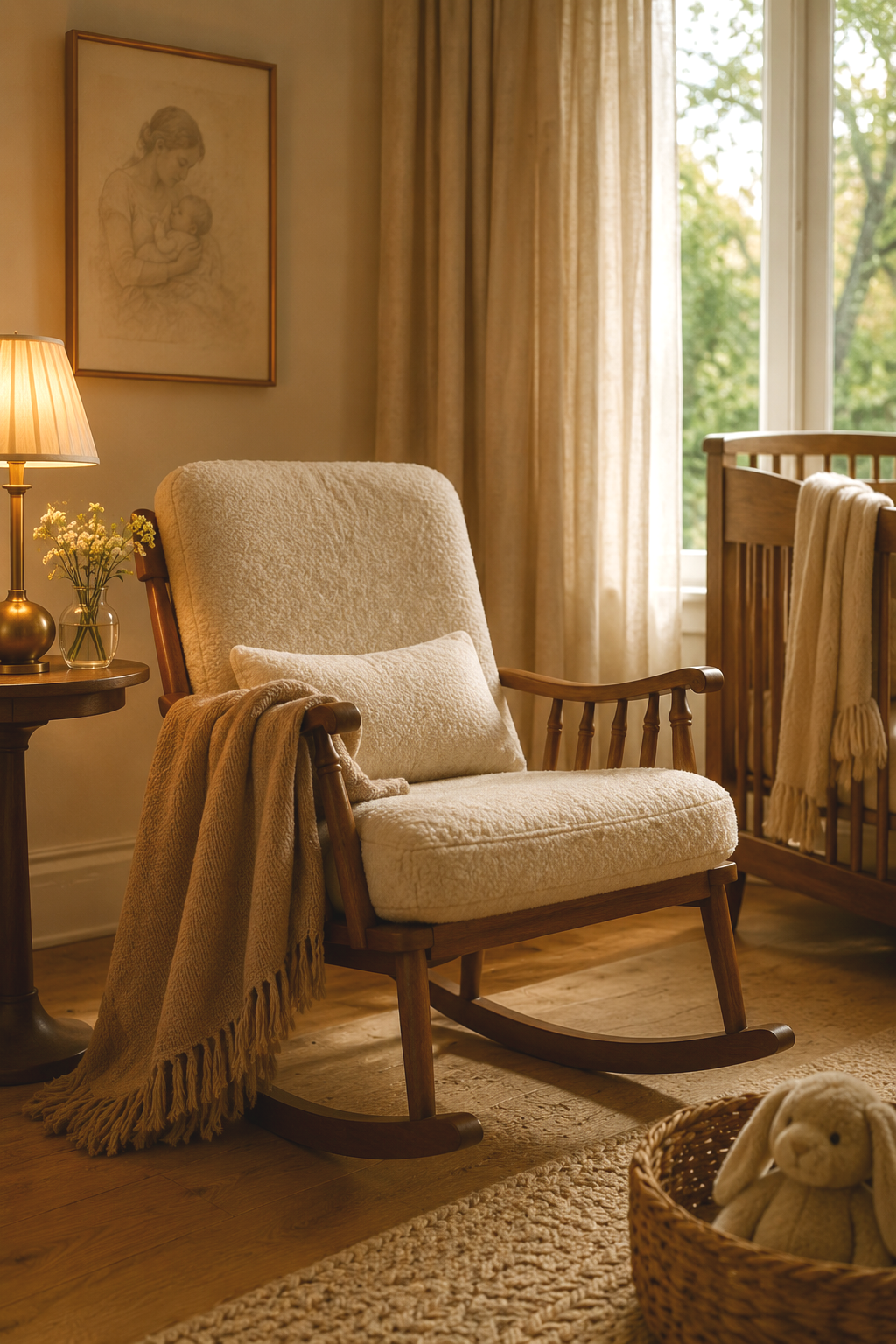
The modern nursery has become less about “baby décor” and more about emotional design and honestly, babies have better taste now.
Parents are moving away from overly themed rooms filled with loud prints and overstimulation, and toward spaces that feel softer and more adaptable. Rooms designed not just for photographs, but for real life such as, the midnight feeds, the pacing, the folding of tiny clothes, the moments where a mother sits in silence simply trying to rest while the baby finally sleeps.
Why Nurseries Are Becoming Softer
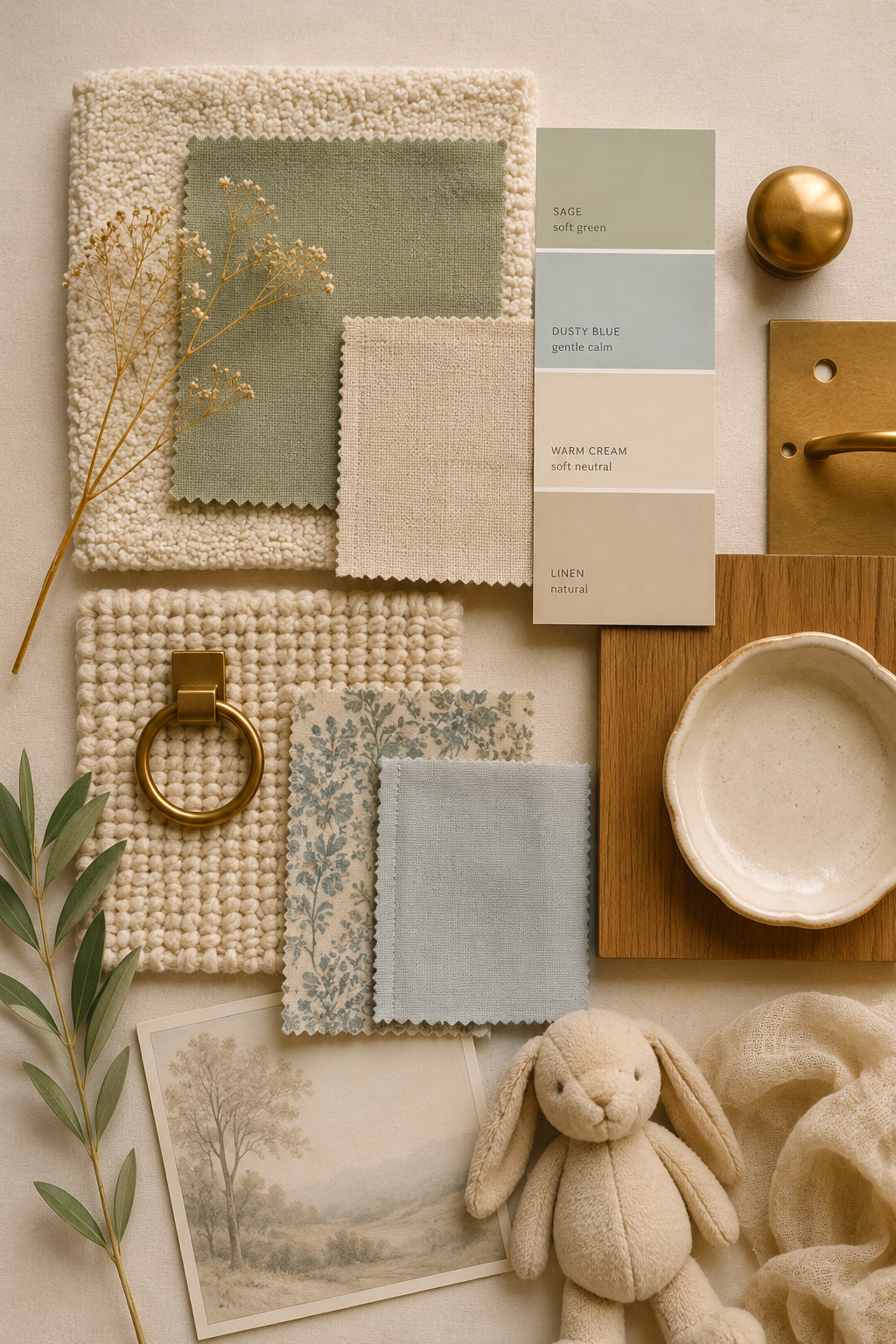
Current nursery trends lean heavily toward:
warm neutrals
muted greens
dusty blues
oat tones
soft wood finishes
tactile fabrics
gentle lighting
The shift is partly aesthetic, but also psychological.
Research in infant development suggests that babies respond best to environments that feel calm and regulated rather than visually overwhelming. High contrast still plays an important role in early visual development, especially in the first few months, but constant overstimulation through overly bright colors, flashing toys, and cluttered environments can create sensory fatigue, for both baby and parent.
This explains why modern nurseries are beginning to resemble boutique hotels more than cartoon explosions, and everyone sleeps better because of it.
The Psychology of Nursery Colors
Color affects adults emotionally, and babies are no exception.
Soft blues and sage greens are often associated with calmness and regulation. Warm creams and muted earth tones create visual softness that feels grounding rather than stimulating. Dusty blush tones tend to feel nurturing without becoming overly sugary or intense
Bright primary colors still have developmental benefits in small doses, particularly for visual tracking and engagement, but many designers now recommend balancing stimulation with areas of visual rest.
Because babies, much like adults, also need spaces where their nervous systems can settle. Perhaps this is why the most beautiful nurseries rarely feel loud. They feel breathable.
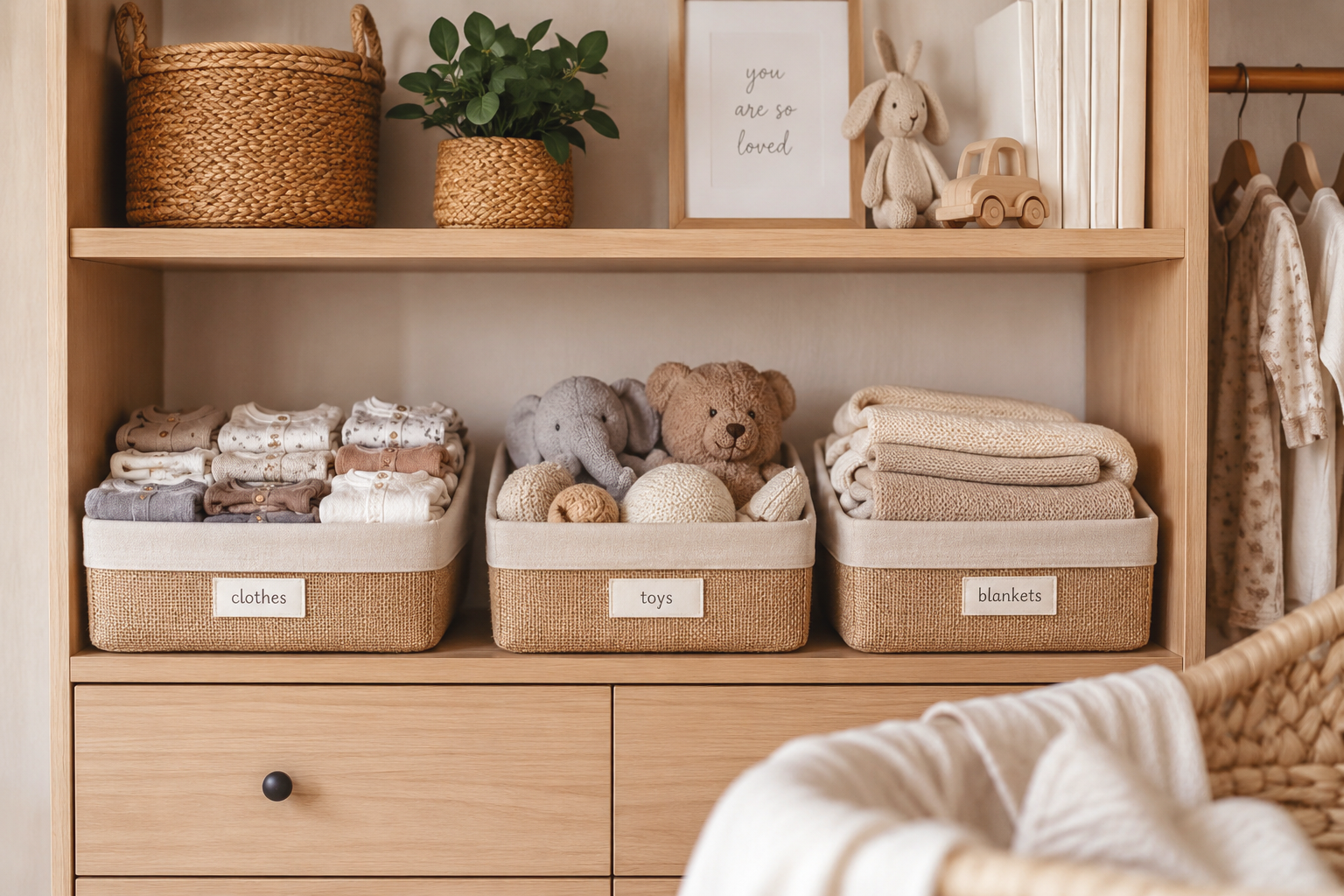
Designing a Nursery That Actually Helps Mom
One of the biggest nursery mistakes is designing only for the baby. Realistically, the mother becomes the room’s primary user for many months. The nursery should support movement during exhaustion.
That means:
storage within reach
soft lighting for nighttime feeds
comfortable seating
pathways clear enough to navigate half-asleep
practical changing access
layered textures that soften sound
Many designers now recommend creating “zones” within the nursery:
a sleeping zone
a feeding zone
a changing zone
a quiet corner for the parent
This is not because the room needs to feel clinical, but because flow becomes everything when functioning on very little sleep.
What’s Considered Unsafe Today
Modern nursery safety has evolved significantly. Current recommendations generally discourage:
heavy blankets for newborn sleep
crib bumpers
excessive stuffed toys in sleeping areas
dangling cords near cribs
unstable shelving
harsh overhead lighting
furniture that can tip without anchoring
Even materials matter more now. Parents increasingly look for:
low-VOC paints
natural fabrics
non-toxic finishes
breathable materials
This is because the modern nursery is no longer just styled, it’s researched.
The Rise of the “Grown-Up Nursery”
Perhaps the most interesting nursery trend is that many no longer look traditionally childlike at all. They feel elevated, timeless and layered. Spaces designed to evolve rather than expire after two years. Such as,
Vintage-inspired lighting
Sculptural wooden cribs
Soft plaster walls
Brass details
Linen curtains
Art that could easily remain in the room long after the toys disappear
It reflects something larger happening in interiors overall. People want homes that feel integrated, not segmented into themed perfection and maybe children benefit from that too. A room that feels calm, beautiful, safe, and loved. Not overstaged but just deeply cared for.
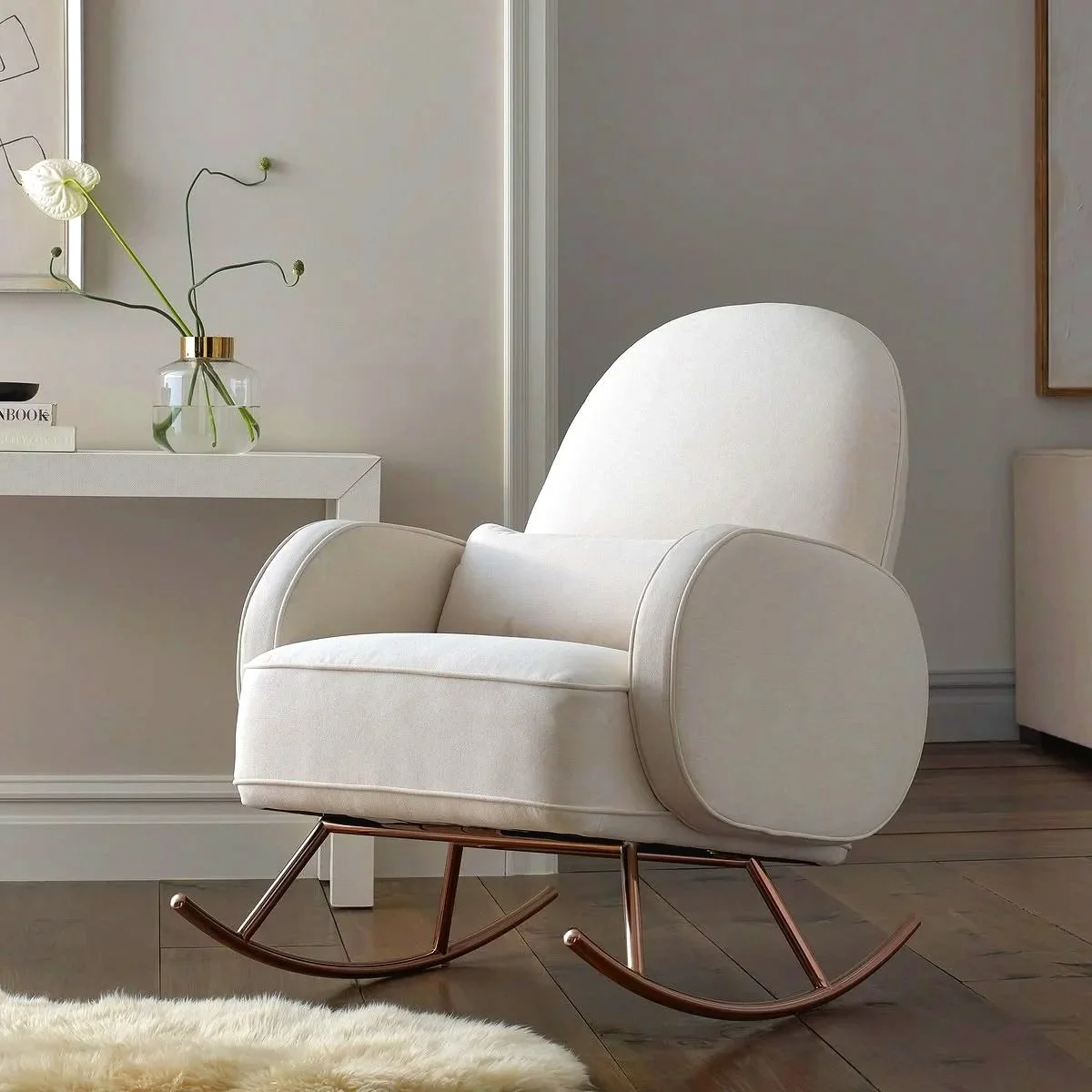
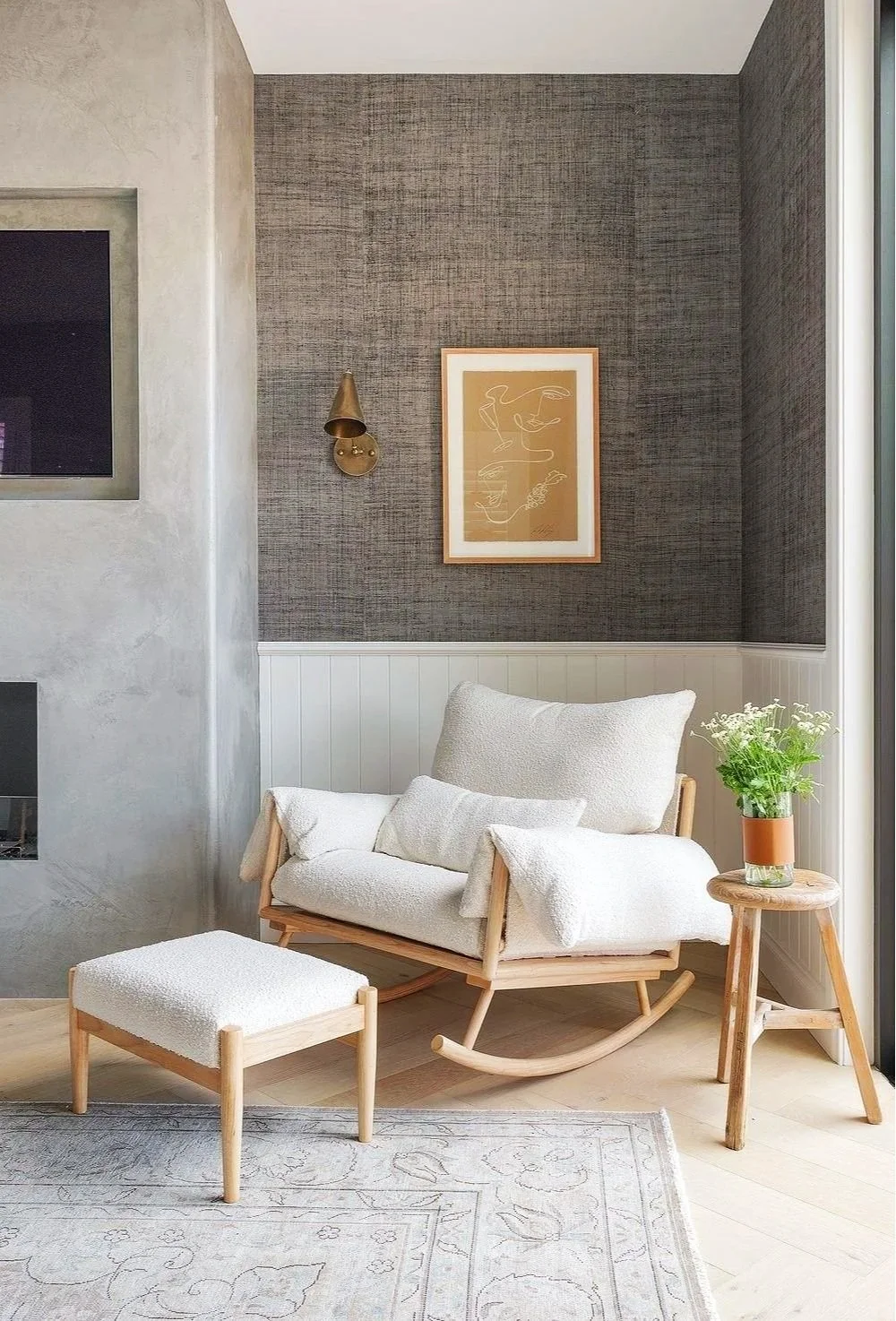
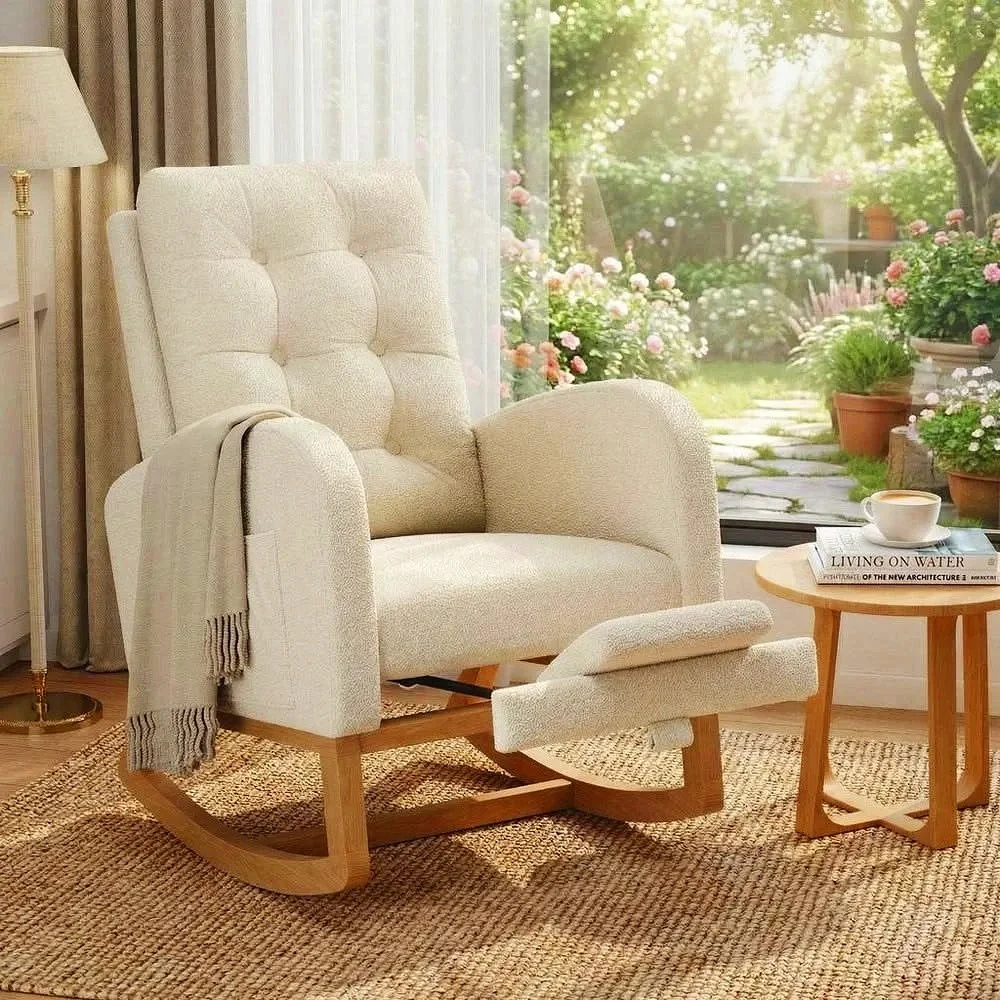
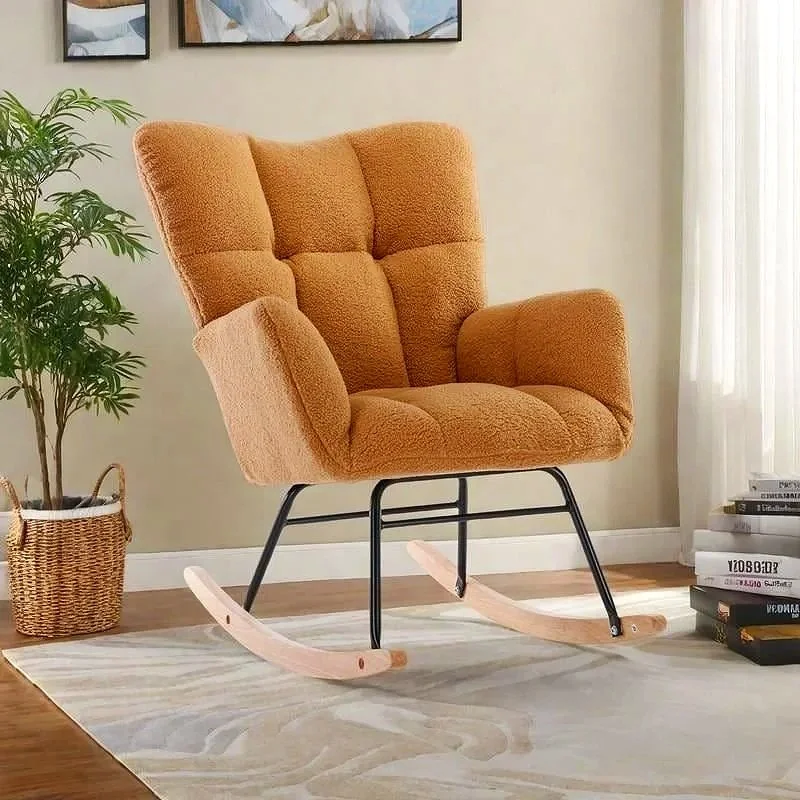
The Rocking Chair Is Not Just Decoration
Few nursery pieces carry as much emotional history as the rocking chair.
Long before modern sleep consultants and white noise machines, mothers across cultures relied on rhythmic movement to soothe babies. Rocking mimics motion experienced in the womb, helping regulate infants through repetition and gentle vestibular stimulation.
But interestingly, the rocking chair may help mothers too.
Studies on repetitive movement and nervous system regulation suggest that slow rhythmic motion can reduce stress and encourage emotional calmness. Which means the rocking chair often becomes less of a furniture item and more of a survival tool during the first year of parenting.
And once the baby phase ends, many parents keep the chair anyway, because certain objects absorb memory.
To Mobile or Not To Mobile?
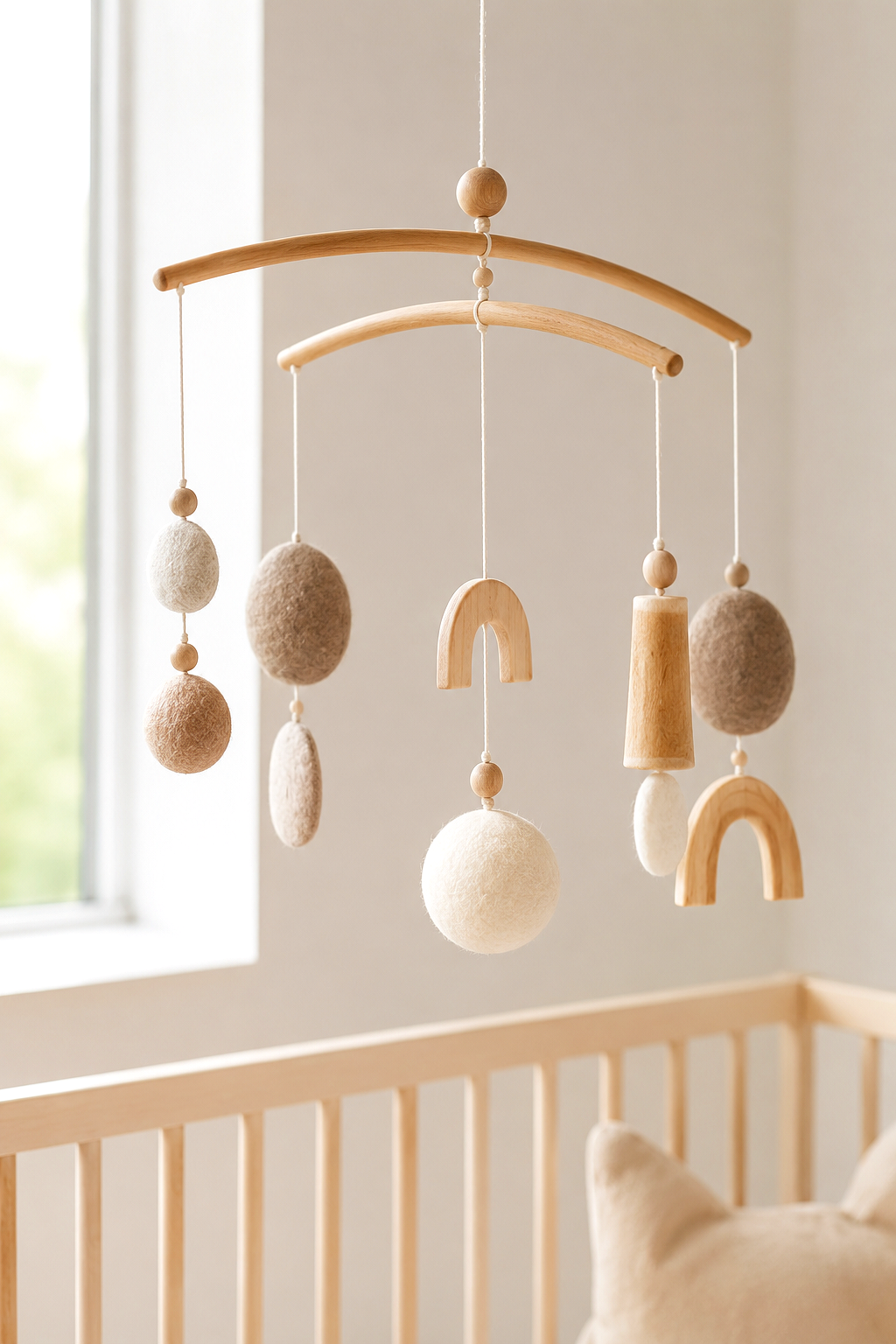
The nursery mobile has become surprisingly controversial.
Some experts support visually engaging mobiles for sensory development and visual tracking, particularly during early infancy. Others warn against overly stimulating designs with excessive movement, bright flashing colors, or sound.
The key seems to be balance. A well-designed mobile should feel gentle rather than chaotic. Slow movement. Soft forms. Organic shapes. Thoughtful placement above changing areas rather than directly over sleeping spaces.
In other words, the mobile should soothe the room, not audition for a circus.
Sources & Inspirations
American Academy of Pediatrics — Safe Sleep Recommendations
Harvard Center on the Developing Child — Early Childhood Environment & Development
Research on vestibular stimulation and rhythmic movement in infant soothing and development
and natural sensory exposure within interior spaces
Contemporary nursery design trends from modern interior and parenting publications including Architectural Digest, Elle Decor, and Design Milk