
MAR - APR 2026 ISSUE
WATERWAYS TO WELLNESS
RESTORING WHAT SUSTAINS US | WATERWAYS TO WELLNESS
FROM THE EVERYDAY RHYTHMS OF HOME TO THE RIVERS AT OUR FEET
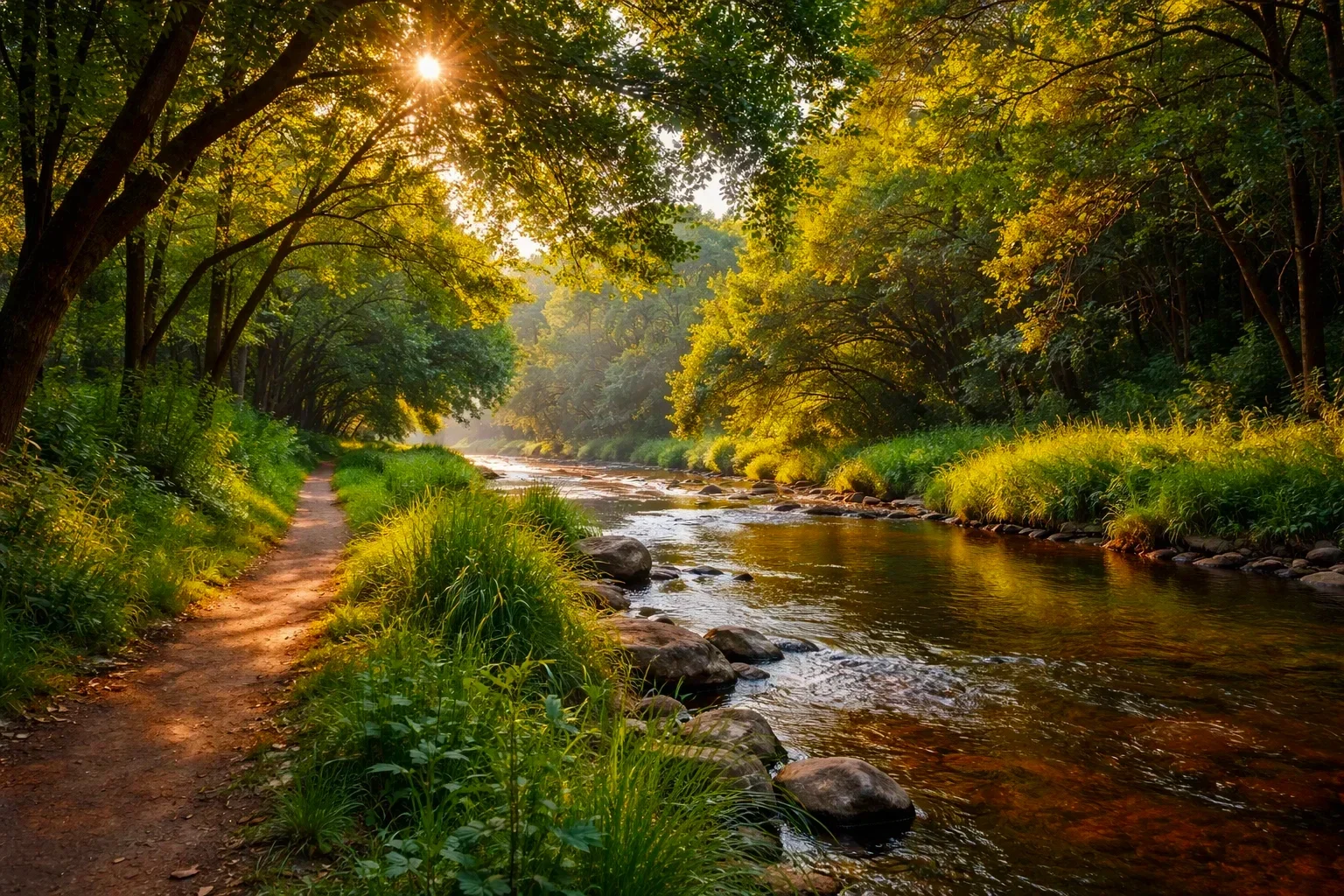
THERE’S AN INTIMACY TO WATER. THE EXACT SHADE OF IT AT DAWN. THE SOUND OF A SPRING AFTER SUMMER RAIN. THE REFLECTION OF CLOUDS IN A LAKE’S MIRROR.
Water is so much more than a resource, it is part of a place’s memory, its life, its body. And here in South Africa’s Gauteng province, around the East Rand and Johannesburg, these water bodies are quietly telling a story that is both ancestral and urgent, but not in the language of crisis. Rather, in the language of care and stewardship.
Why Water Matters Here
On the East Rand, water has always been present in many forms, the permanent reed beds of the Blesbokspruit Wetland, one of the largest wetland systems in the Highveld, the floodplains and marshlands that host thousands of birds and plants, and the historic charm of lakes such as Zoo Lake within Johannesburg itself.
These places are more than pretty landscapes. They are part of the ecological fabric that sustains us from filtering water, nurturing biodiversity, and offering spaces where we can slow down and breathe.
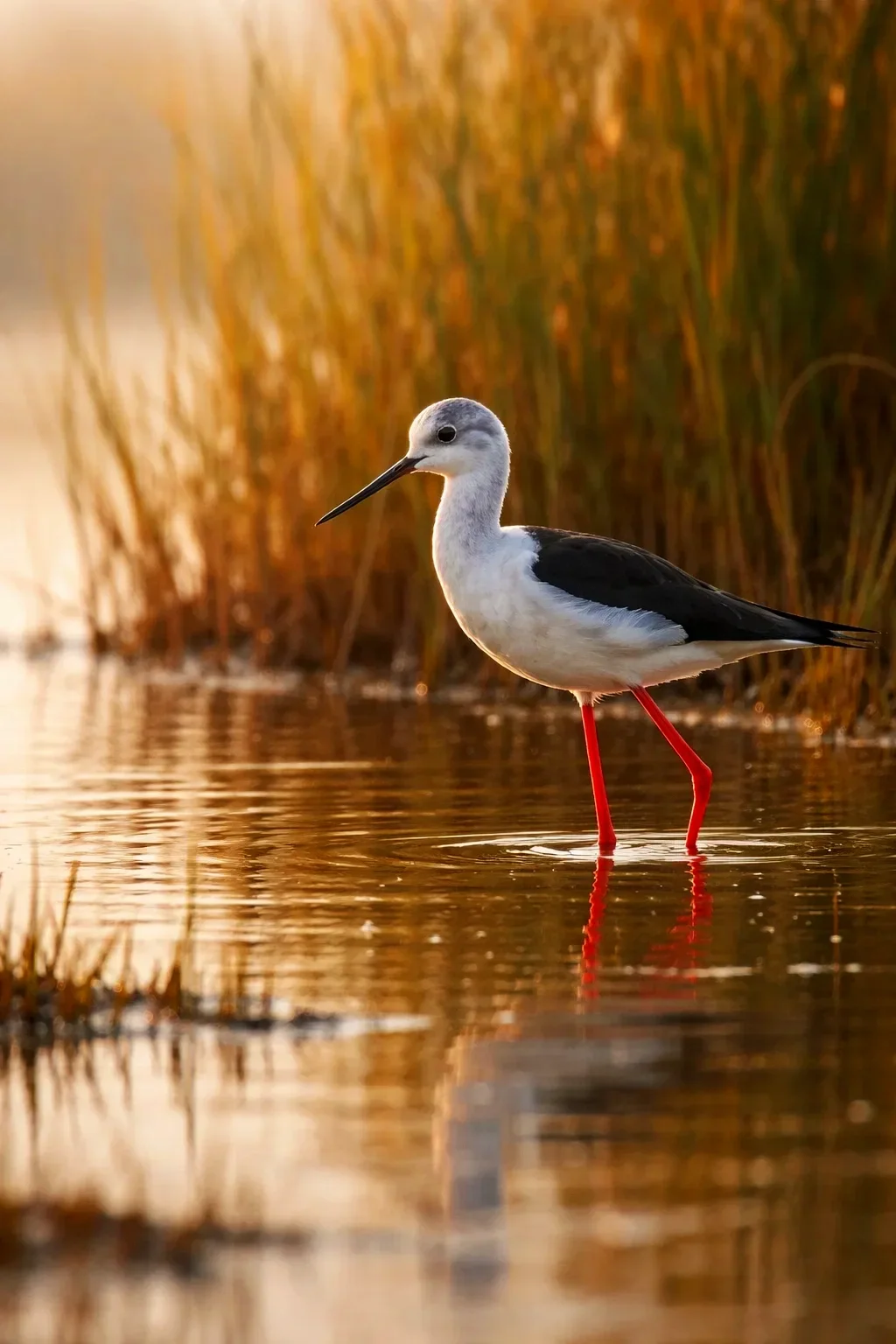
Yet in a rapidly urbanising region, nature’s quiet work is under pressure. Wetlands and lakes are shaped by natural flows that centuries of rainfall and geology have crafted, they collect water, feed underground aquifers, and temper floods. When their natural rhythms are disrupted by altered water flow patterns, sedimentation, pollution or development, the feeling of care that once came with these places begins to fade.
A Tradition of Stewardship
In many cultures, including those here in South Africa, water has always been part of how we understand connection, community, and responsibility. Our forebears did not see streams, vleis (shallow lakes), and springs as “utilities.” They were elements woven into the lived landscape, such as, places of ritual, of gathering, of shared reflection.
Today, that tradition of care is not lost, but it has been stretched thin. Wetlands around suburban and industrial areas are under strain, once-thriving river corridors such as the Jukskei River have been blocked and degraded by urban growth, turning what should be lifelines into sources of stagnation and health risk.
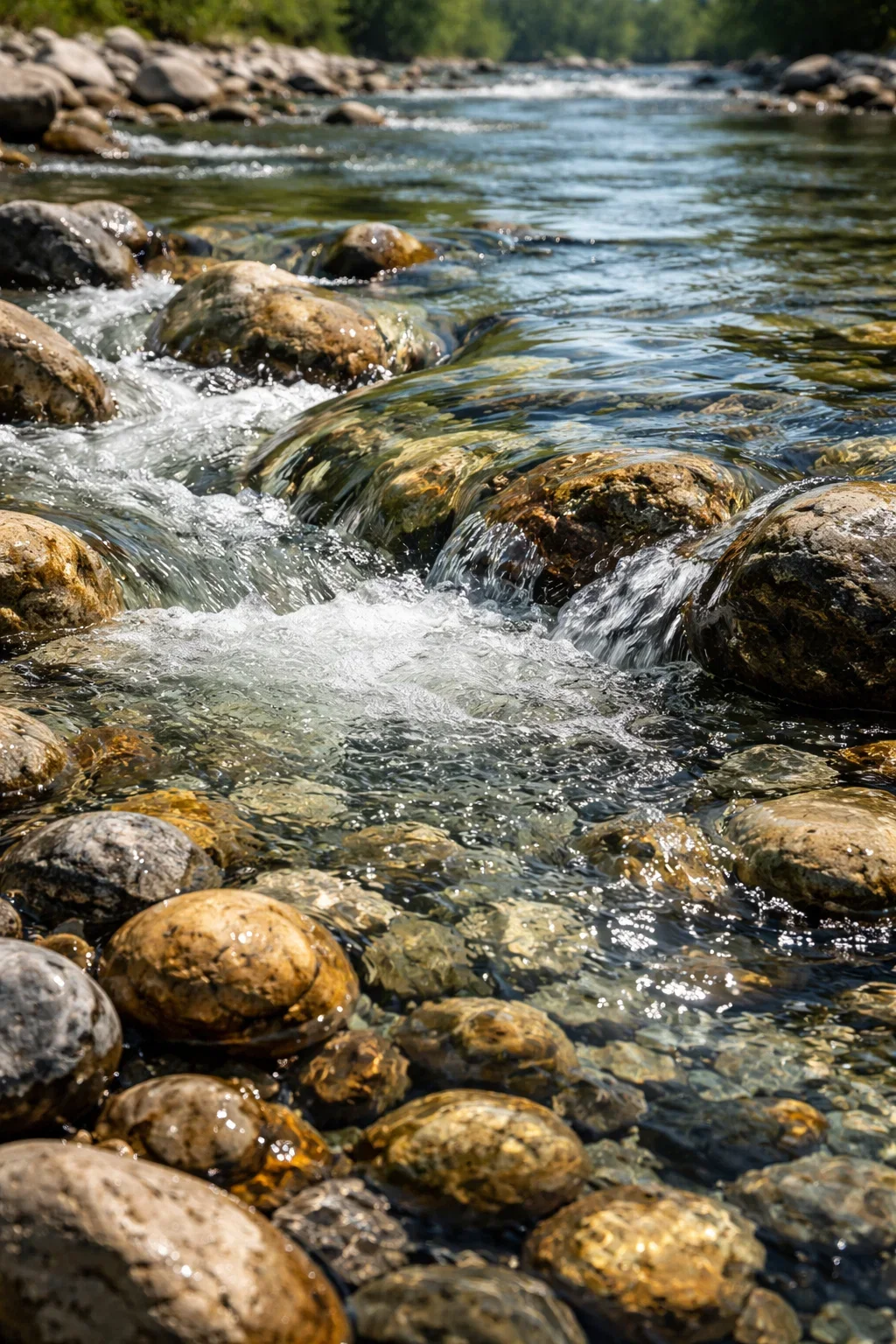
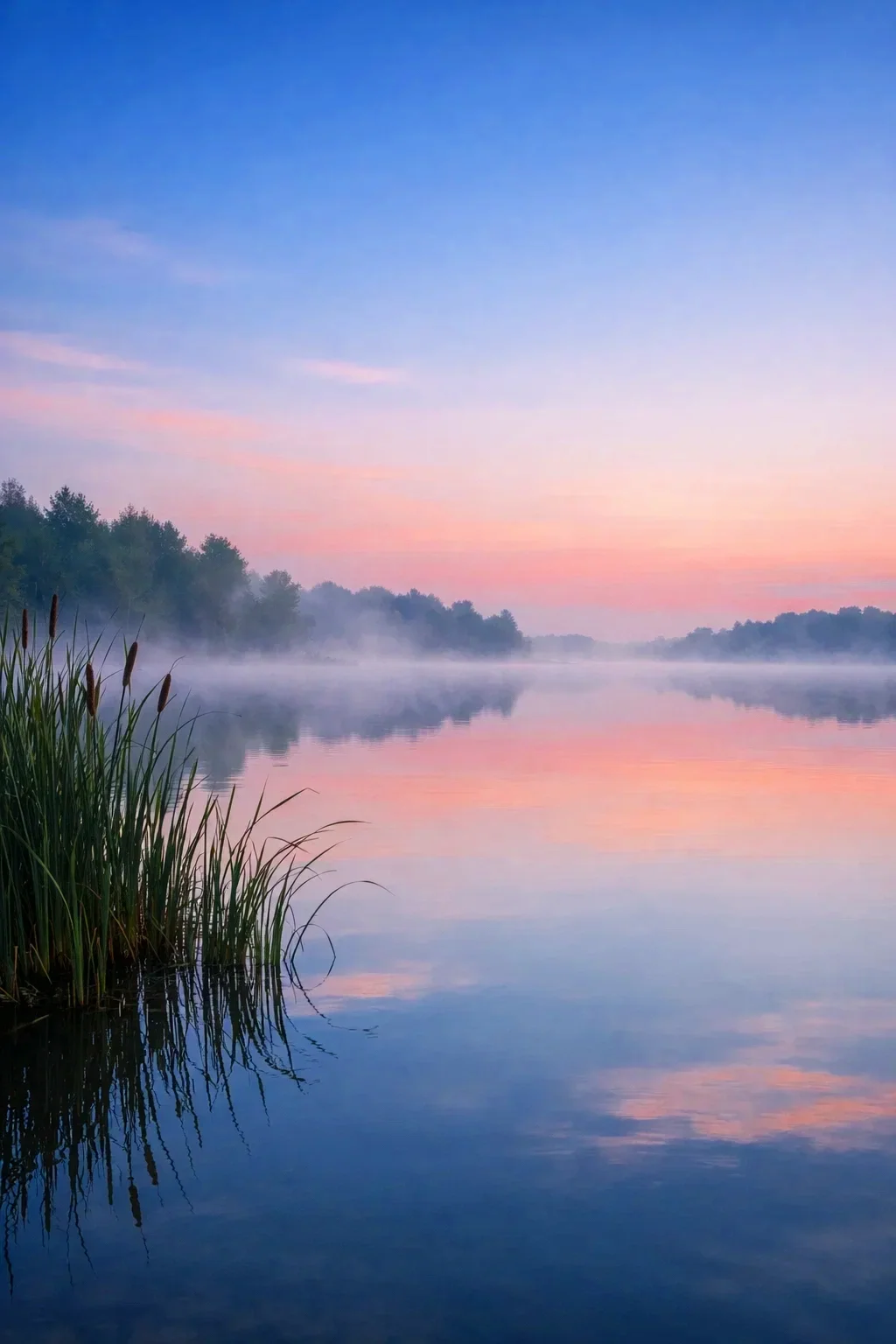
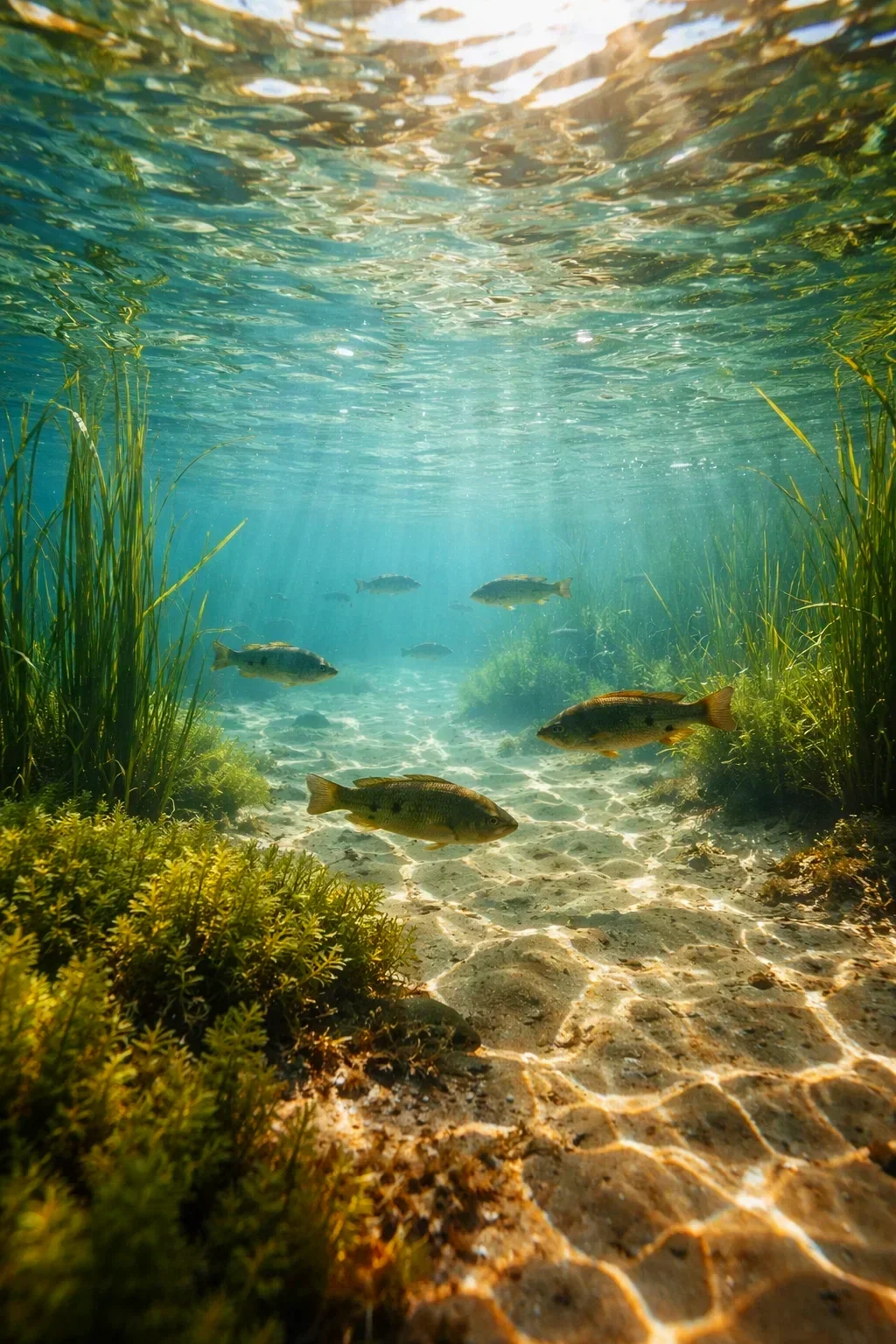
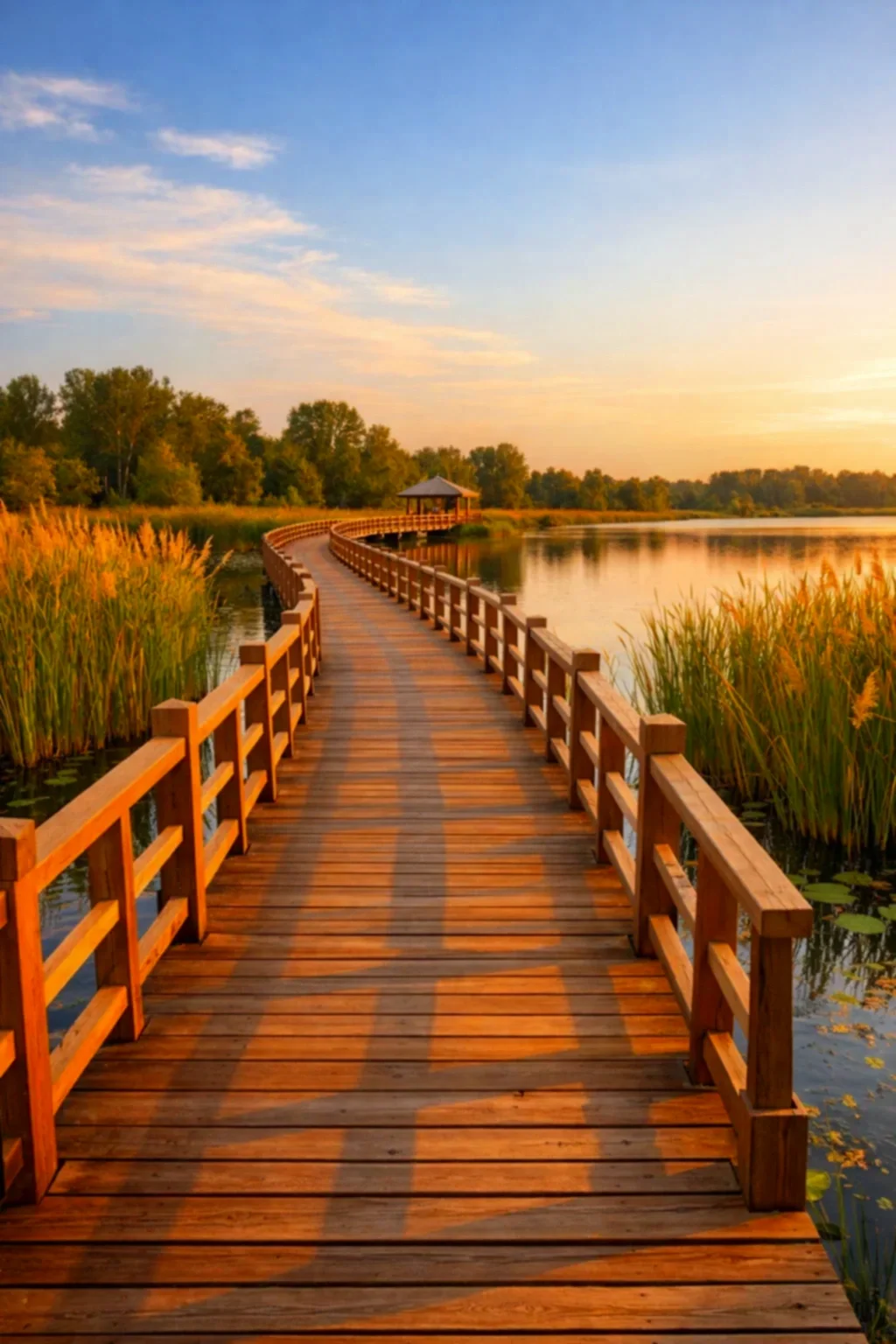
At the same time, many of these spaces still hold their ancestral role as natural filters, root systems, reed beds, and wetland soils absorb nutrients and trap pollutants, improving water quality, a service that would cost millions to replicate with engineered systems alone.
Restoration as Continuation
Restoration is not about dramatic overhaul. It is about continuation of care. It is the recognition that Stewardship is a legacy, not a task.
Across the East Rand, local government efforts speak to this understanding. The City of Ekurhuleni, for example, has begun investing in wetland rehabilitation plans, assessing catchments like the Kaalspruit, Natalspruit and Blesbokspruit, and working toward restoring their natural functions through integrated methods that include cleaning, physical removal of invasive species, and biological controls.
These are not statements written for a moment. They are frameworks for returning water bodies to their original rhythms and supporting soil health, aquatic habitat, and even community interaction with nature.
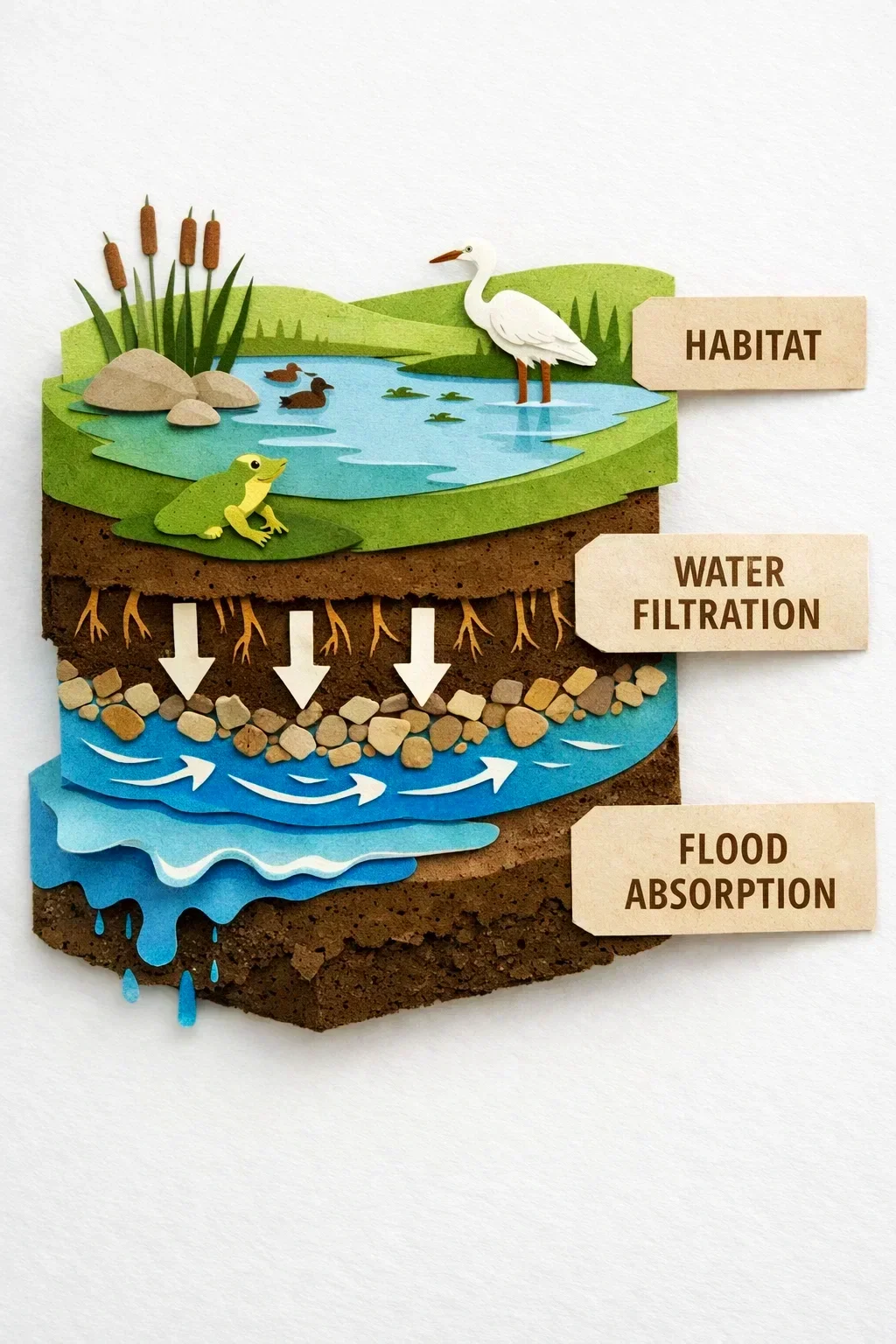
Across the country, initiatives such as Working for Wetlands show another dimension of this work, collaborative governance focused not only on ecological outcomes, but on livelihoods, skills development, and community participation grounded in respect for the environment.
Caring for Places That Carry Memory
Restoration is about more than water quality or ecological metrics. It is about the feeling of standing by water that is clear, cool, and alive. It is about the quiet pleasure of birdsong at dawn at a wetland fringe, or watching ripples on a lake as the sun warms the day. These experiences connect us to place in ways that are subtle, but profound.
When we talk about water rehabilitation, then, it is not only technical intervention we imagine. It is the continuation of centuries-old stewardship, of returning to care for the land and waters that have sustained generations before us.
Because in restoring water bodies, we are restoring a deeper understanding of what it means to belong to a place, to honour it, to protect it, and to be grateful for its gifts.
Sources & Inspirations
Marievale Bird Sanctuary - overview and ecological significance within the Blesbokspruit wetland system.
BirdLife South Africa - Important Bird Area: Blesbokspruit Wetland.
South African Government - World Wetlands Day and the importance of wetland conservation in South Africa
Blesbokspruit Wetland Ramsar Site Information Service - Blesbokspruit Wetland (Site No. 343). Ramsar Convention on Wetlands