
JAN - FEB 2026 ISSUE
A BATHROOM TILE
THE TILE SETS THE MOOD
THERE IS SOMETHING QUIETLY POWERFUL ABOUT TILES
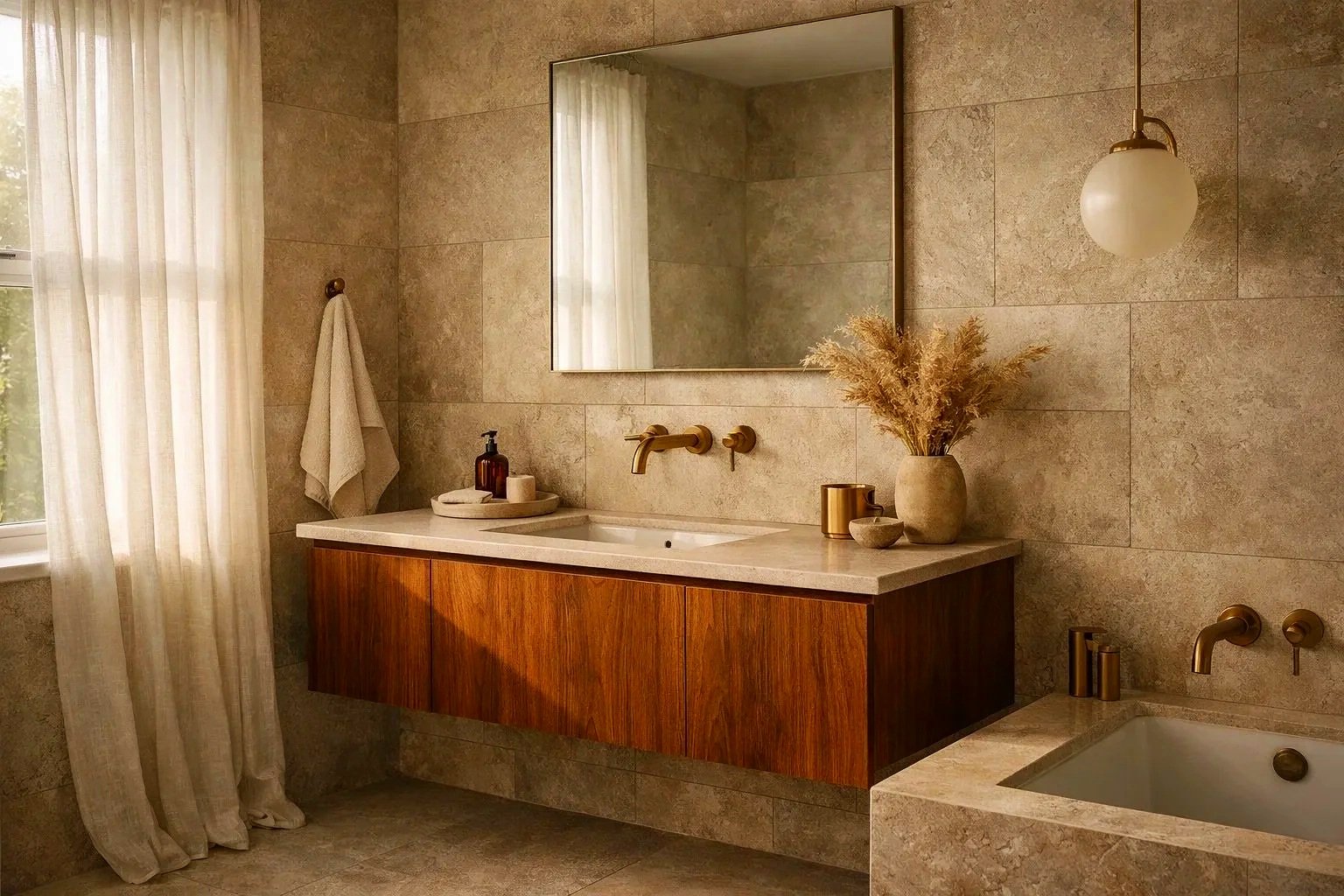
In most homes, the bathroom is one of the smallest rooms, but it’s where we begin and end our days. It’s where light hits first in the morning and where steam softens the walls at night. More often than not, the mood of that space is determined long before styling, décor, or accessories enter the picture. It’s determined by tile.
I’ve seen bathrooms completely transform, not because walls were moved, but because the surface choices changed. Tile has the ability to expand a room visually, to warm it emotionally, or to make it feel cold and disconnected. It’s not just a finish. It's atmosphere.
When the Bathroom Is Small
Small bathrooms require more thought than large ones. Every visual break, every contrast line, every pattern choice becomes amplified.
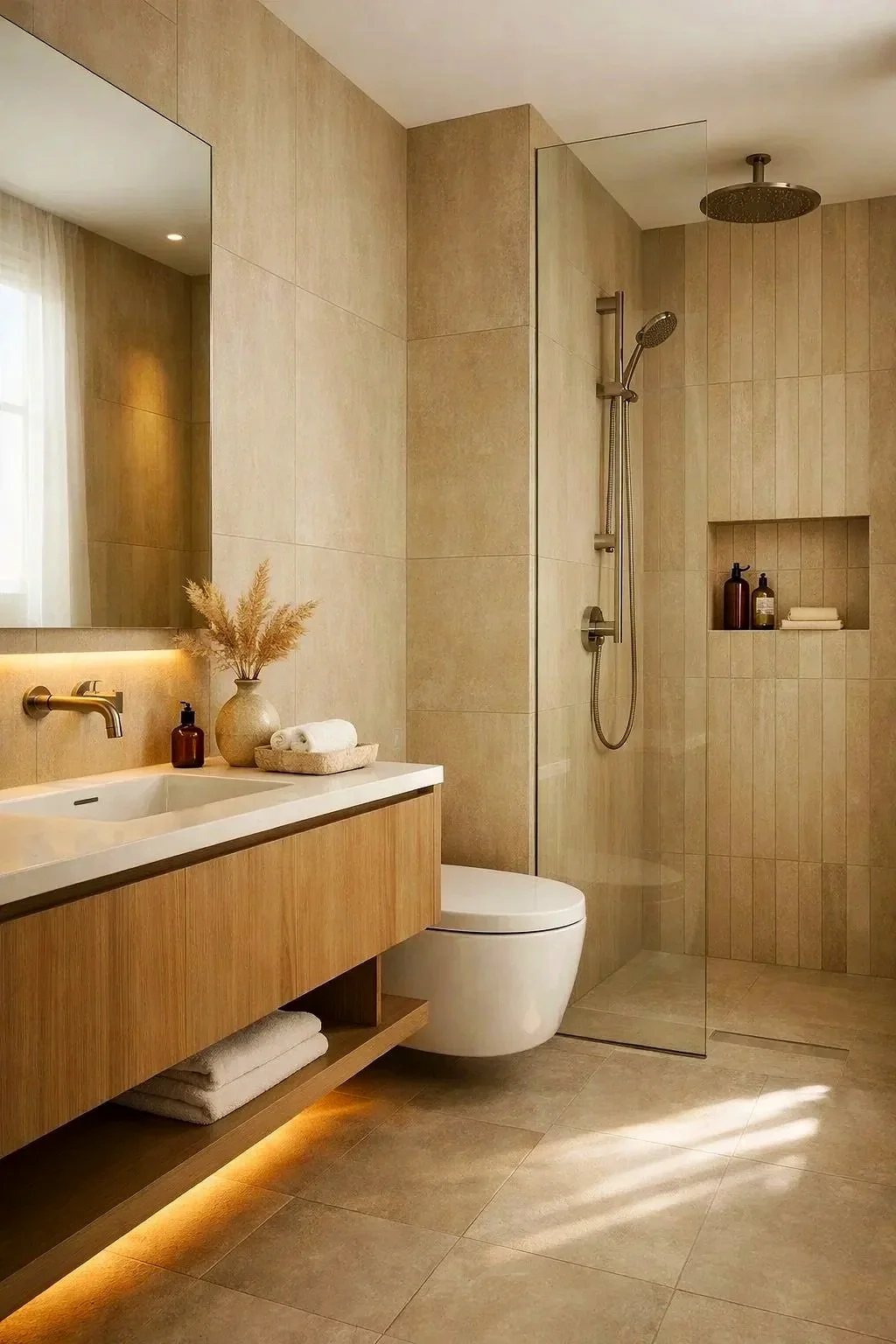
One of the most common misconceptions is that small spaces need small tiles. In reality, the opposite is often true. Larger tiles reduce grout lines, which means fewer visual interruptions. When the eye moves smoothly across a surface, the room feels calmer, and surprisingly, bigger. It’s a subtle psychological effect, but it works.
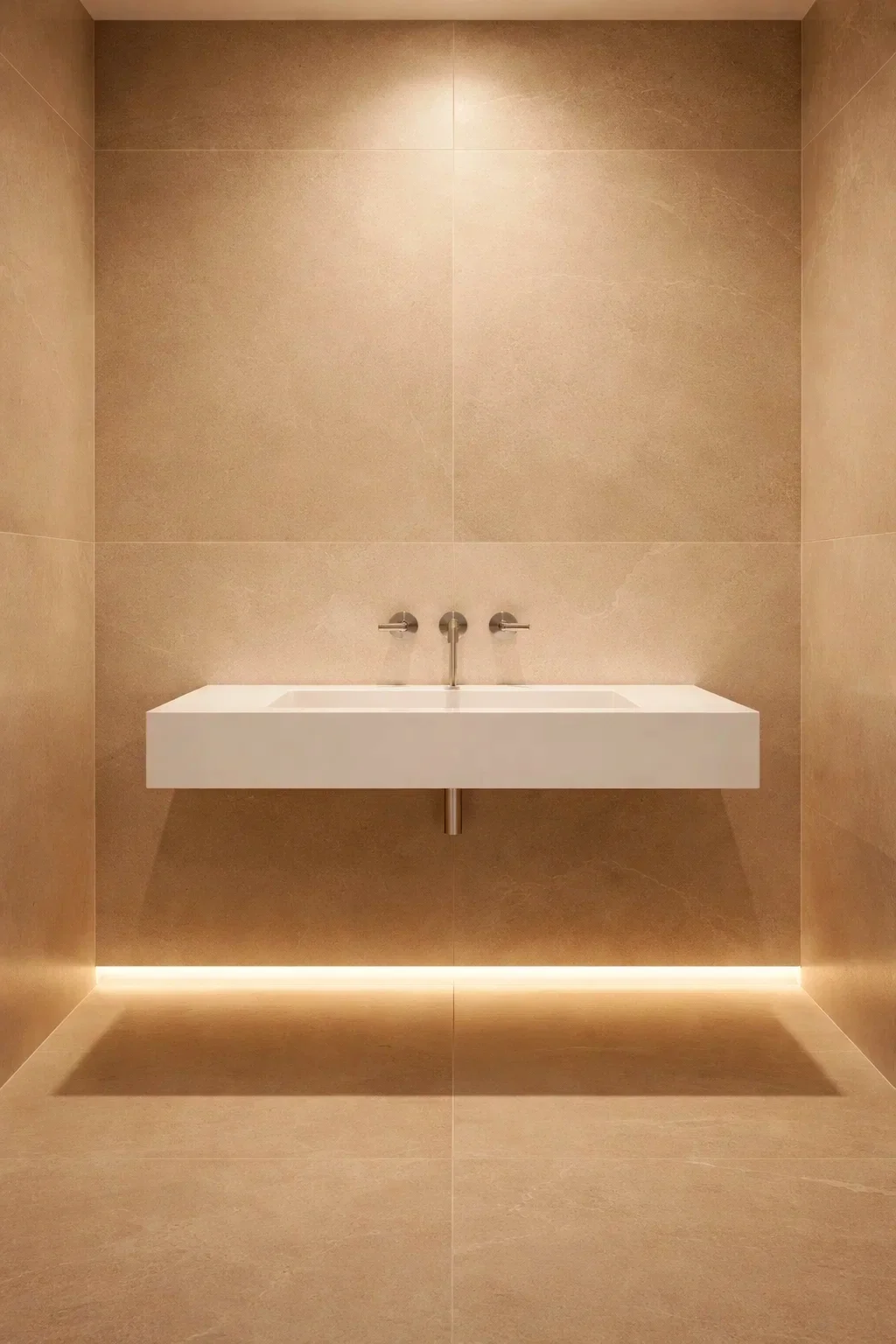
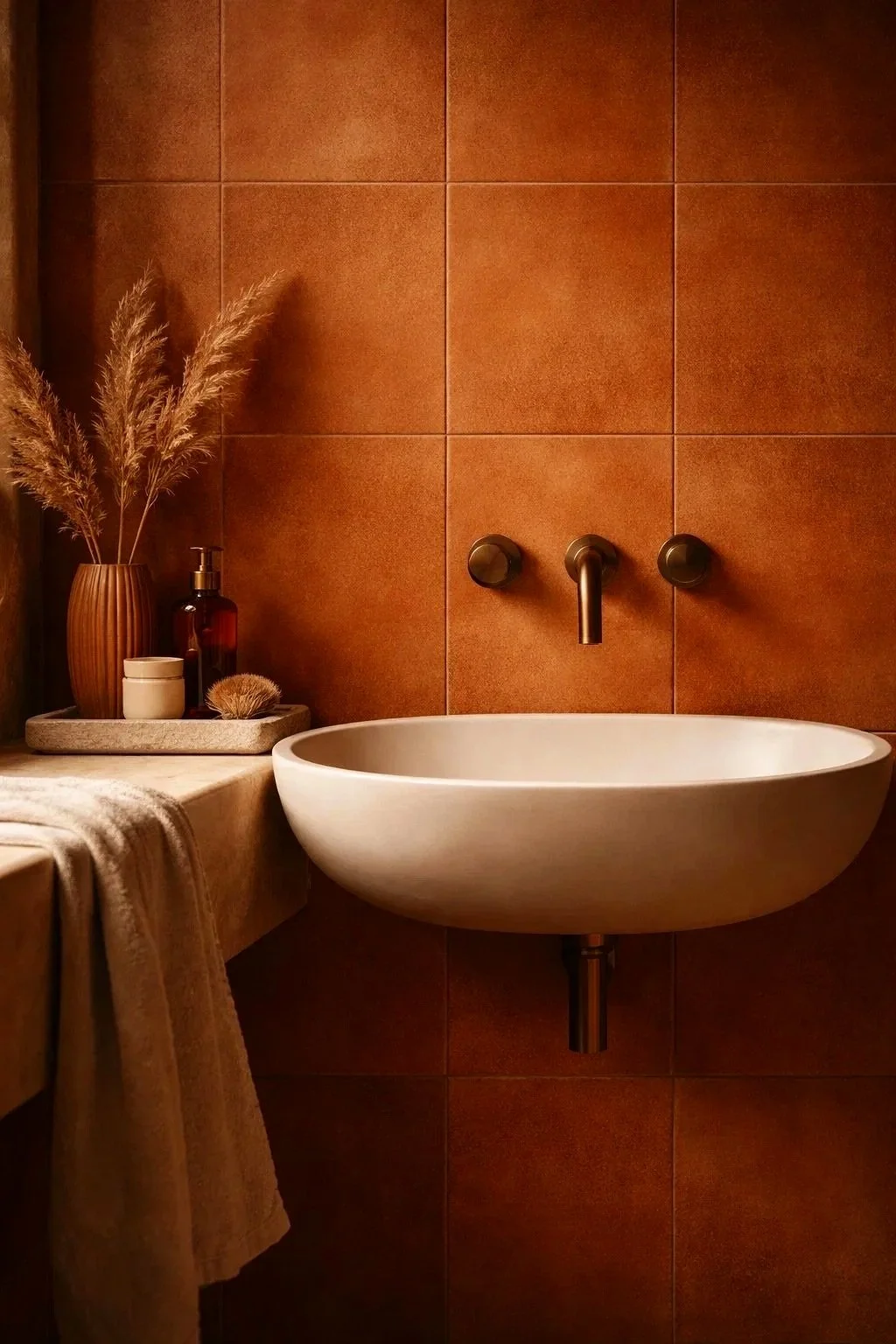
Color plays an equally important role. Light tones reflect more light, but there’s a difference between bright and warm. A soft stone beige or muted greige will feel inviting. A stark white under cool lighting can quickly feel clinical. And bathrooms, even small ones, should feel human.
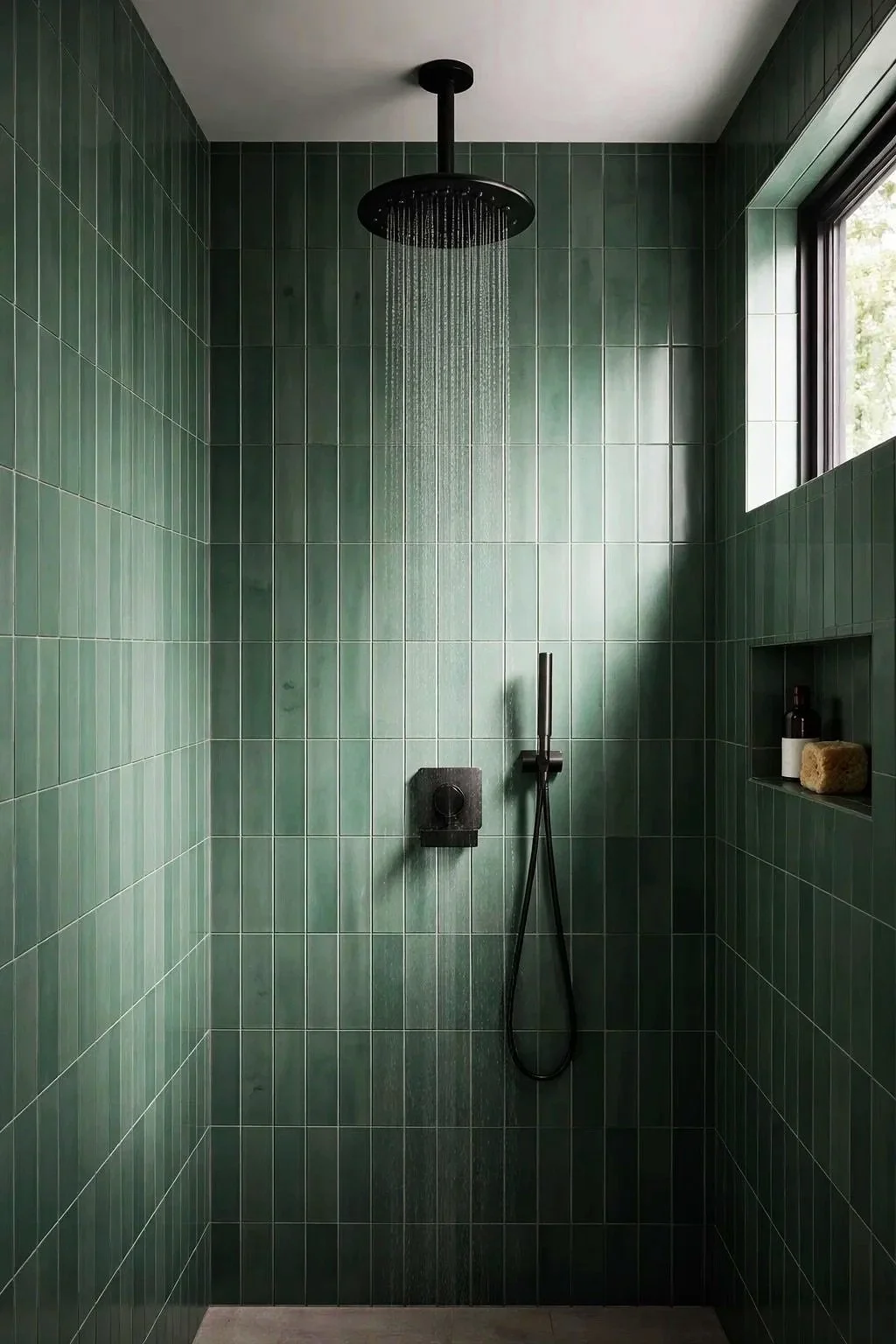
Another simple trick I often lean into is direction. Running rectangular tiles vertically can visually stretch a room, drawing the eye upward and giving the illusion of height. It’s one of those design decisions that feels quiet, but definitely changes everything.
Small bathrooms don’t need more detail. They need clarity.
When the Bathroom Is GENEROUS
Larger bathrooms present a different challenge. Instead of feeling cramped, they can sometimes feel empty or impersonal.
This is where tile can step forward with more confidence.
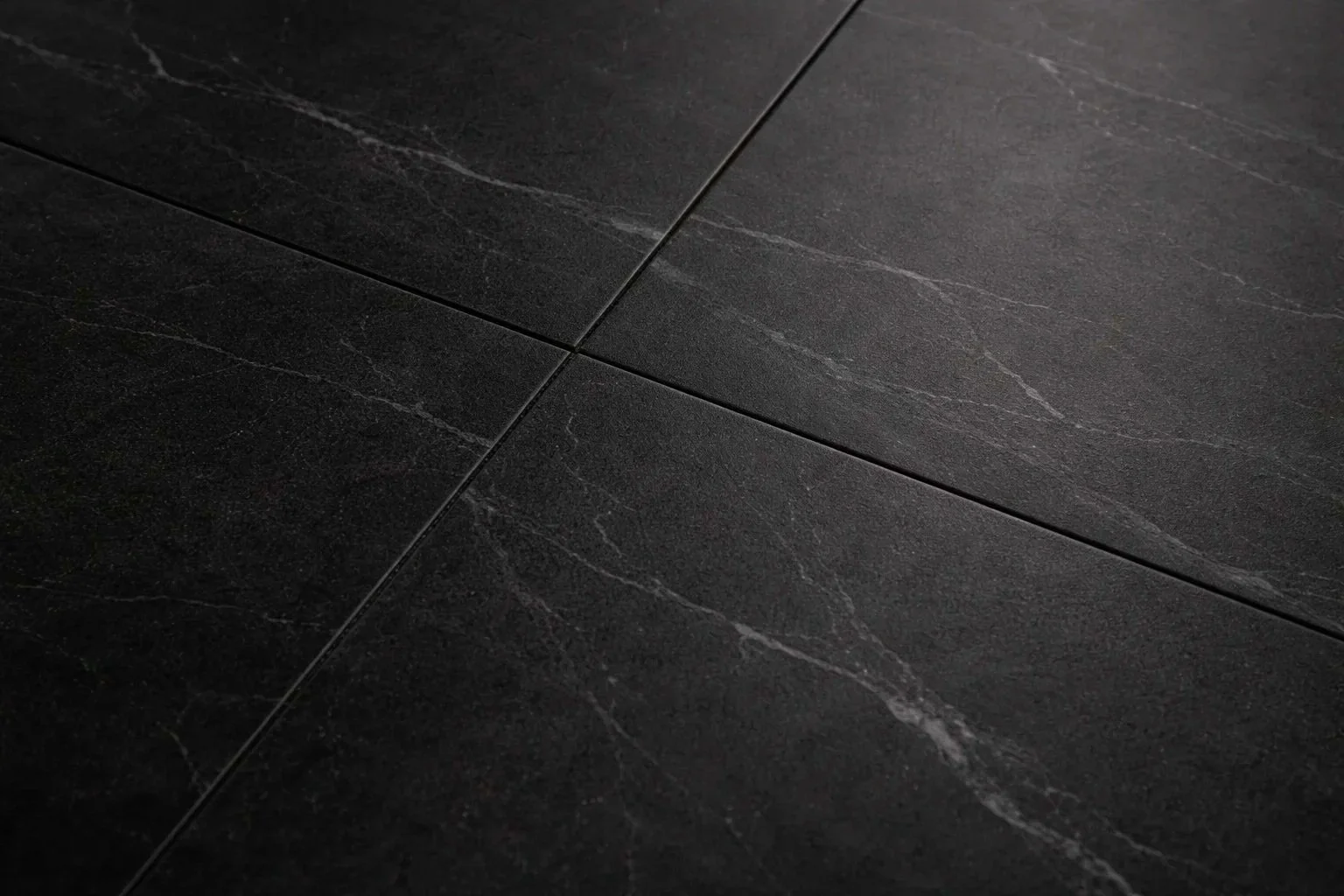
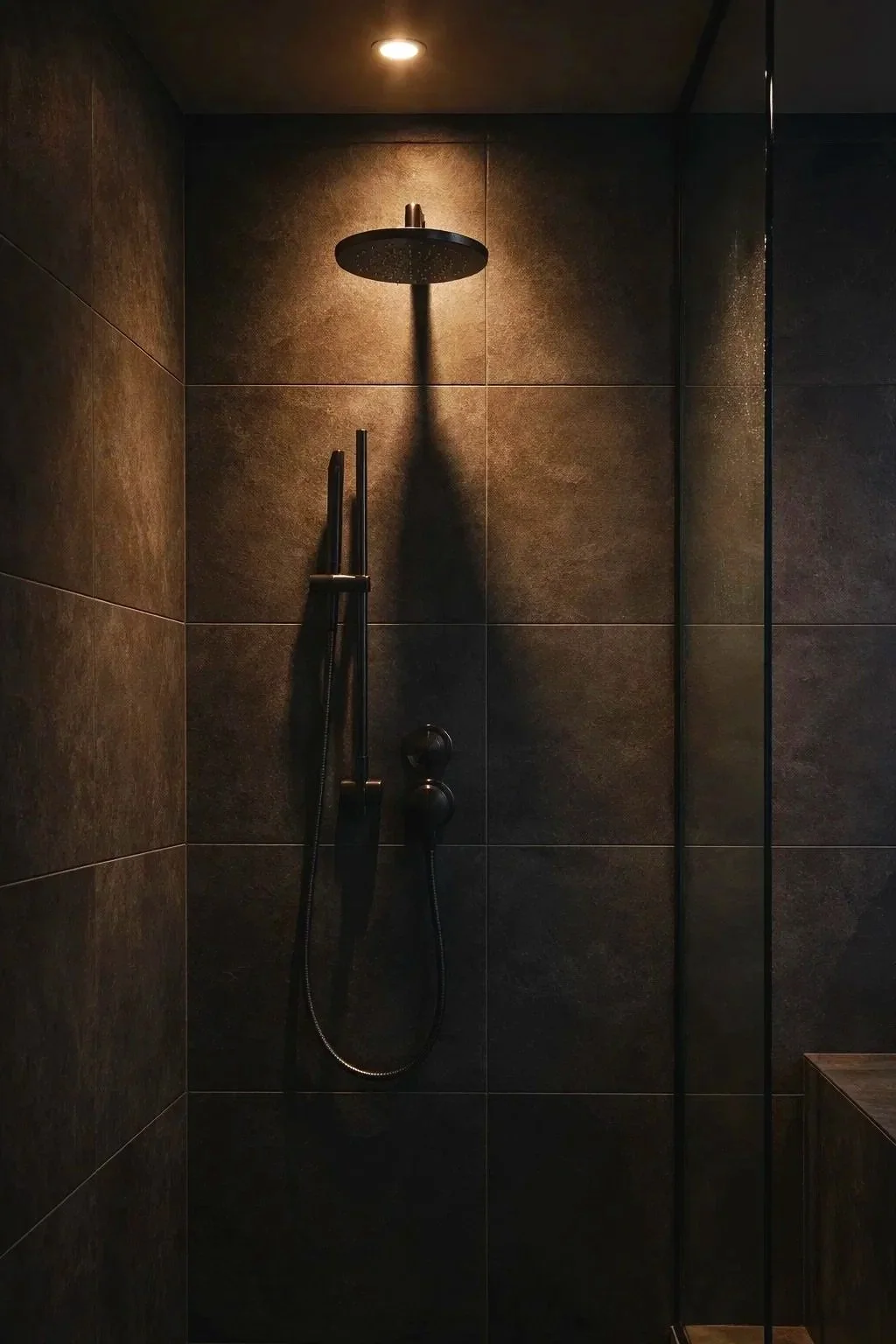
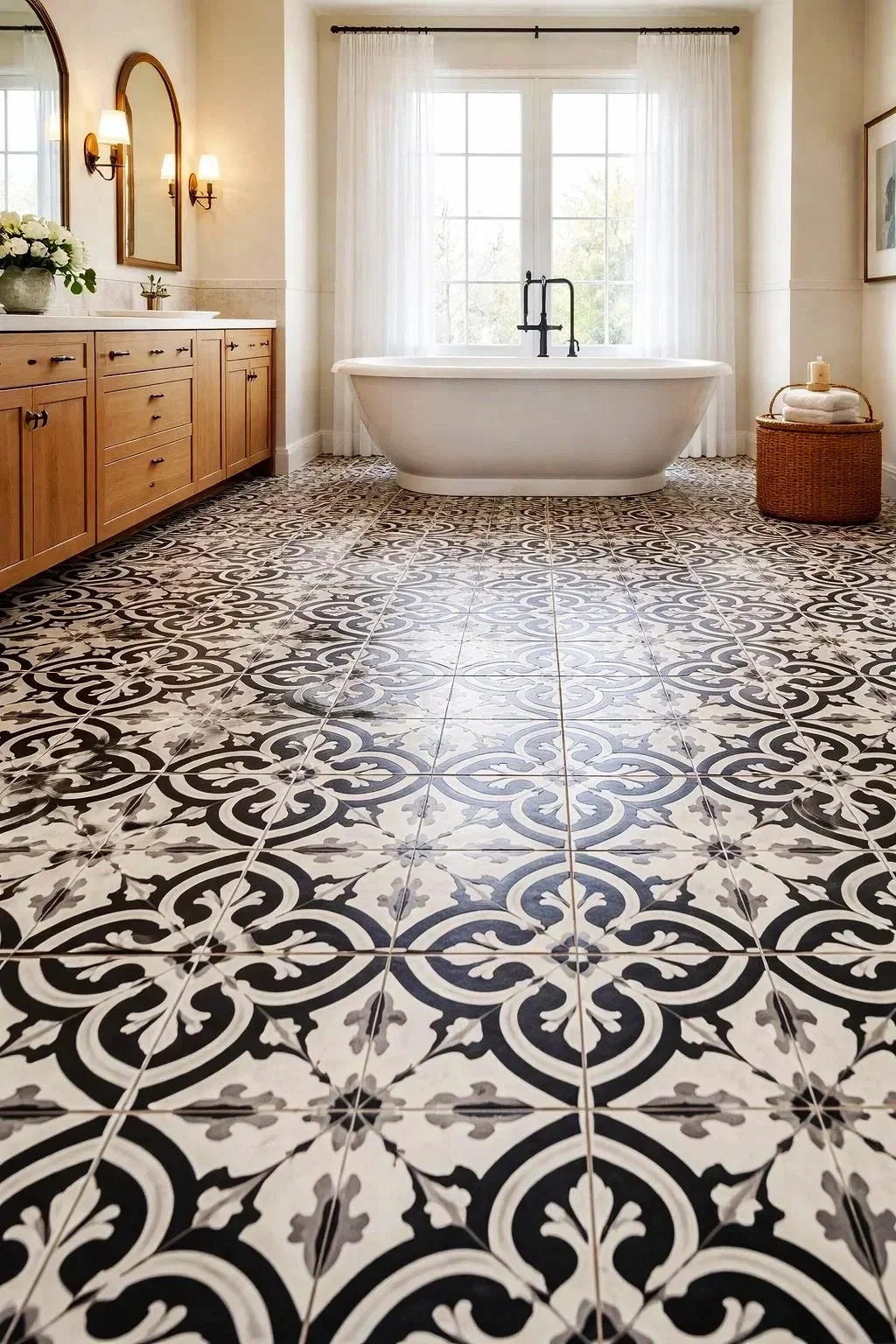
A patterned floor can anchor the entire room. A richly veined marble wall behind a bath can become a focal point. Even darker tones, charcoal, deep green, navy, they can all create intimacy in a way lighter tiles cannot. Darker surfaces absorb light, soften reflections, and make a large space feel grounded rather than echoing.
What’s interesting is that people often assume dark equals smaller. In reality, dark tones in a large bathroom can make the space feel warmer and more deliberate. It becomes less showroom, more retreat.
And that shift from, functional room to personal sanctuary, is everything.
Texture Is the Quiet Decision
We often focus on color and size, but texture carries emotion.
Gloss tiles bounce light and feel crisp and polished. Matte tiles absorb light and feel softer, more grounded. The difference may seem subtle on a sample board, but once installed wall to wall, it changes the energy of the room.
Even grout color matters more than most people realize. High-contrast grout highlights pattern and geometry. Matching grout creates calm continuity. The same tile can feel completely different depending on that one choice.
Tile is permanent. It outlives paint colors and décor trends. Which is why the decision should never be rushed.
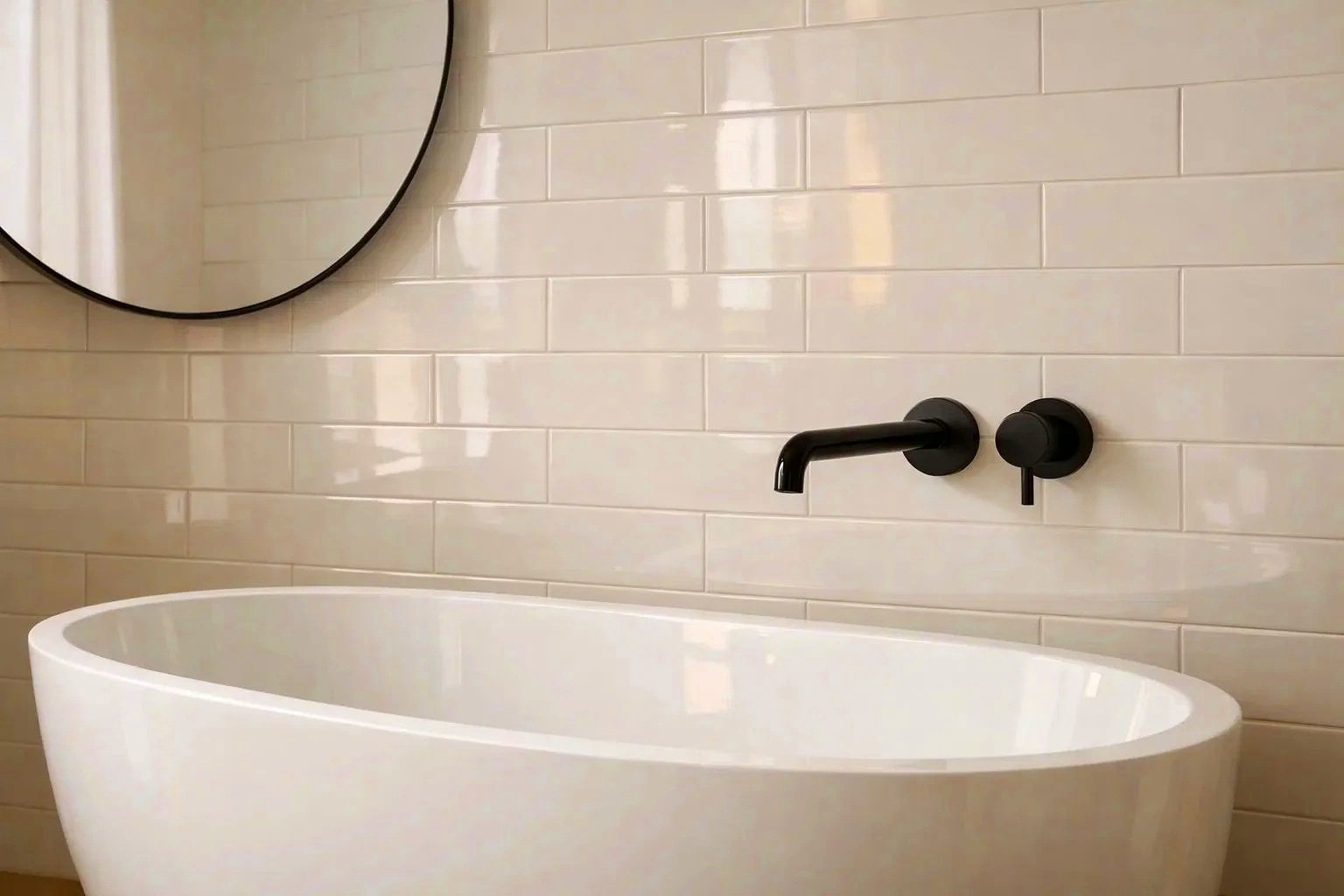
Whenever I work on a bathroom, I don’t start with a Pinterest board. I start with a question, how should this space feel? Energizing? Calm? Cocooned? Light and architectural? Because tile doesn’t just cover a surface. It shapes a daily ritual. The bathroom may be small. Or it may be expansive. But either way, the tile sets the mood long before anything else does.