
JAN 2026 ISSUE
A LIVING TRADITION
ITALIAN TEA TOWEL: A LIVING TRADITiON
MORE THAN LINEN…
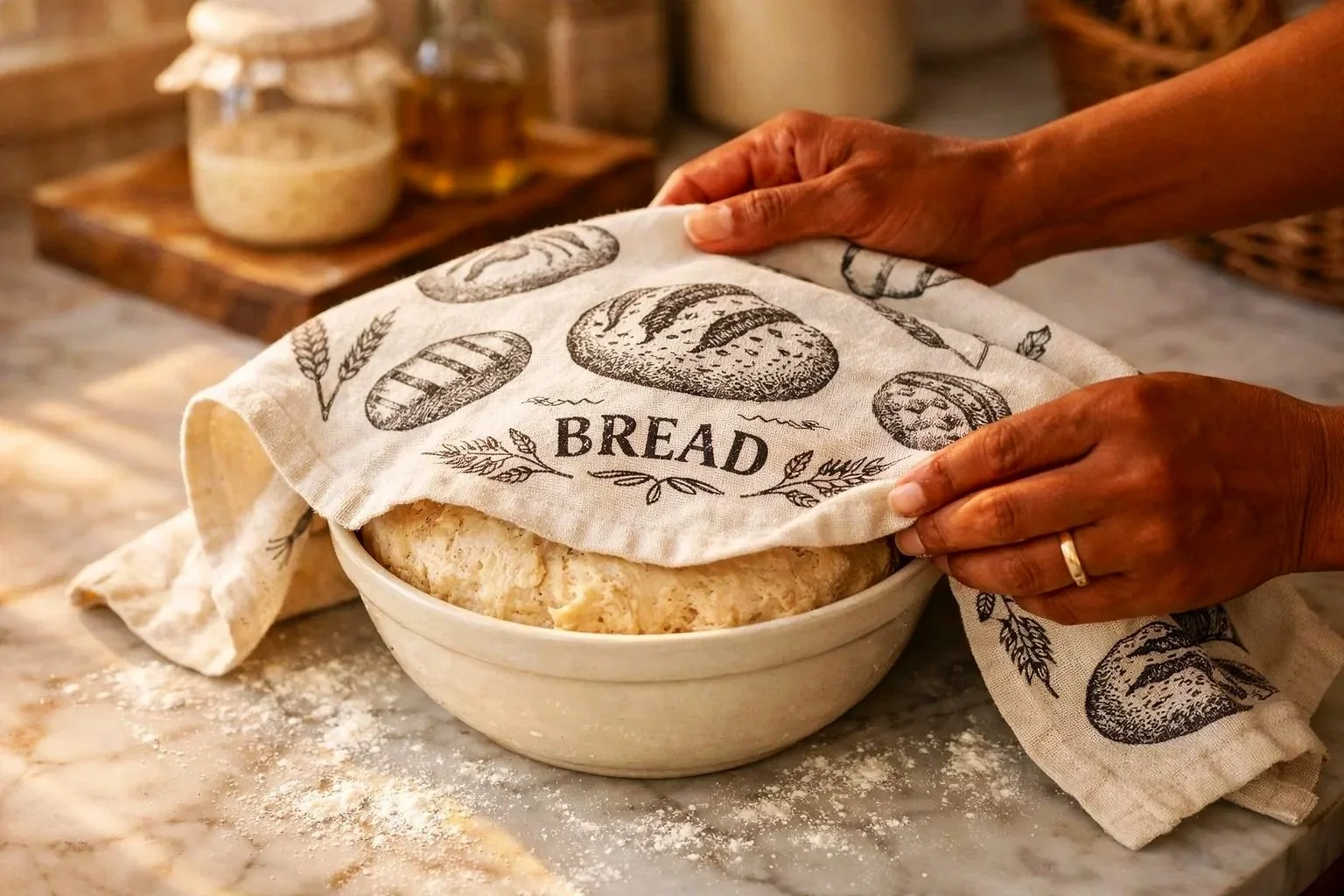
Growing up in an Italian home, even the simplest objects carry stories. A wooden spoon darkened with age, a ceramic bowl chipped at the rim, a length of linen softened by decades of washing, these are not just tools, but witnesses to daily life. Among them, the tea towel holds a quiet but enduring presence.
Light enough to hang over a shoulder yet strong enough to withstand years of use, the Italian tea towel has long lived at the intersection of beauty and necessity. It is cloth shaped by hands, marked by meals, and woven into the rituals of home.
ORIGINS & HISTORY
Though kitchen cloths have existed across Europe for centuries, Italy embraced the tea towel in a distinctly regional and expressive way. Traditionally made from linen or cotton, these textiles were valued for their absorbency, durability, and natural feel. Linen, derived from flax, was especially prized in rural areas where weaving traditions ran deep and materials were used with care.
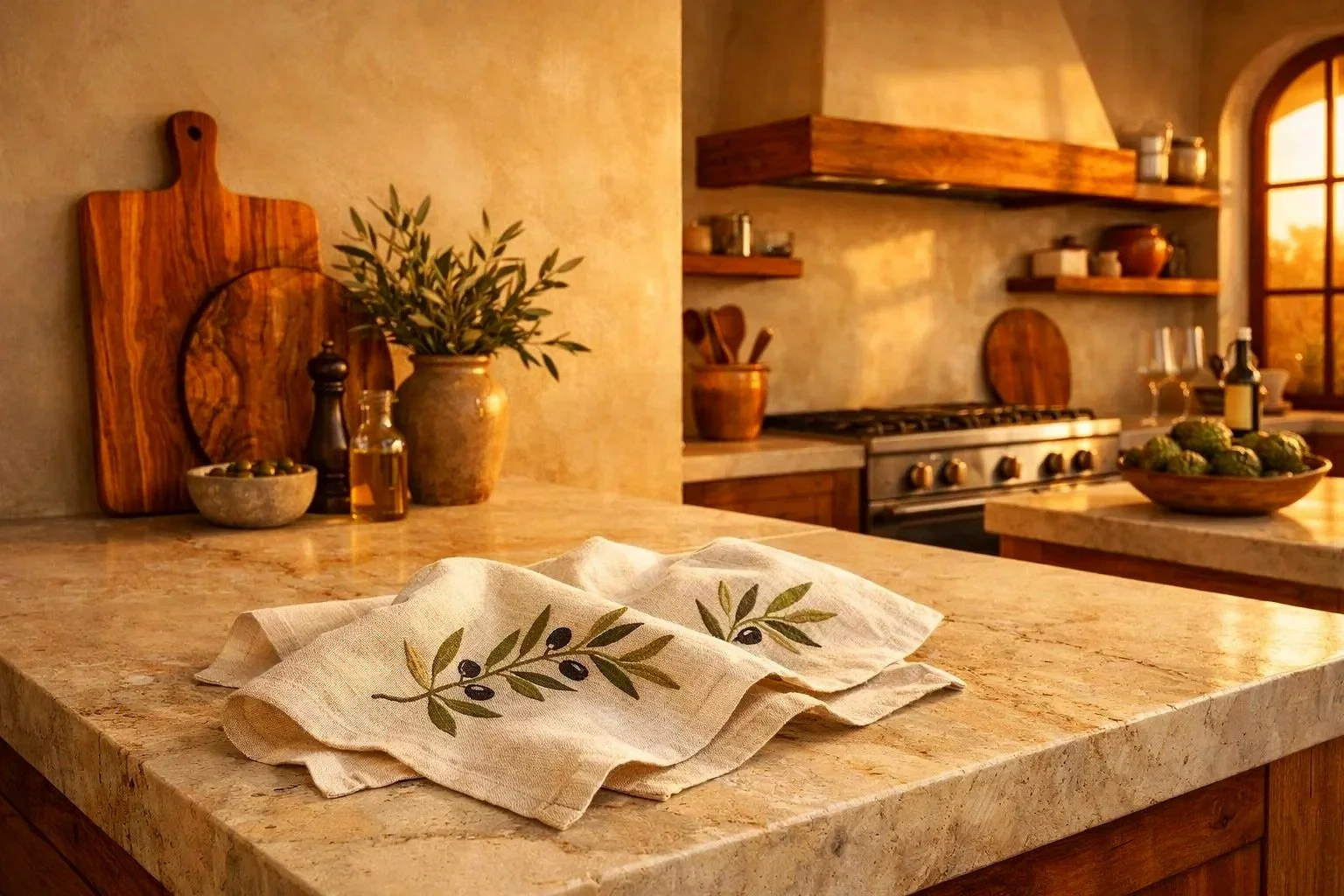
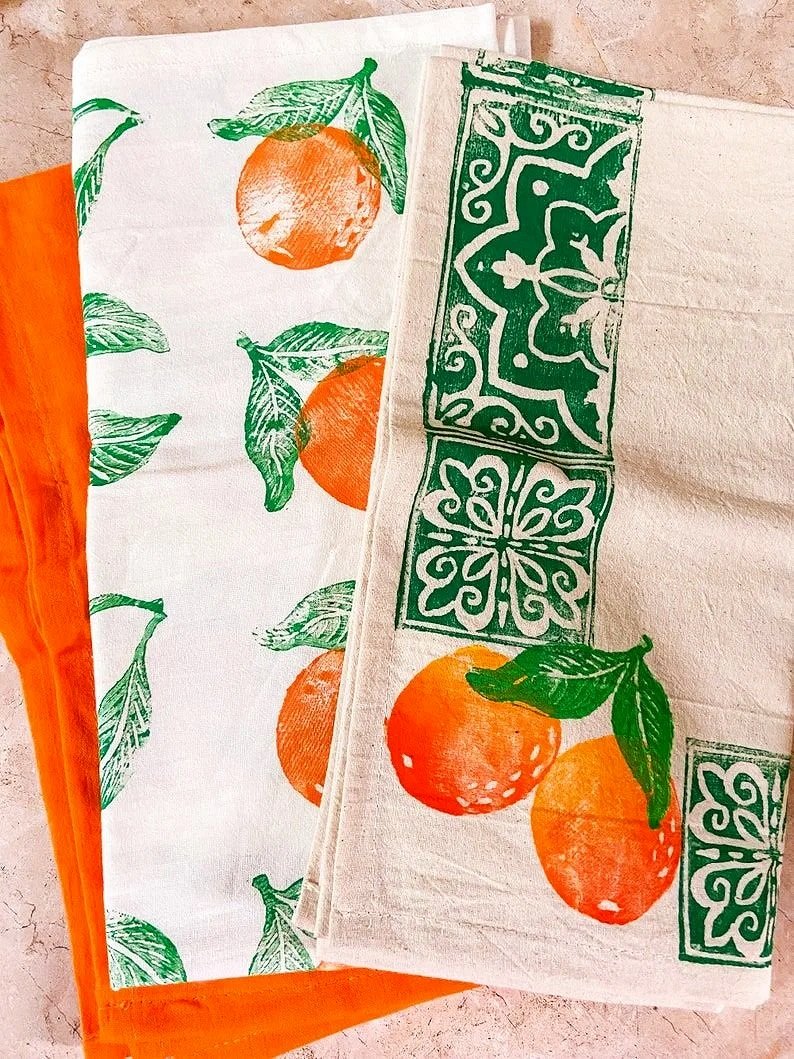
Over time, tea towels began to reflect the landscapes and cultures of different regions. In Sicily and along the Amalfi Coast, bright lemon motifs and citrus branches captured the warmth of the Mediterranean sun. In Tuscany, olive branches, vineyard references, and earthy tones echoed agricultural life. Northern regions often favored simpler stripes, woven patterns, or embroidered borders, designs that felt restrained yet deeply considered.
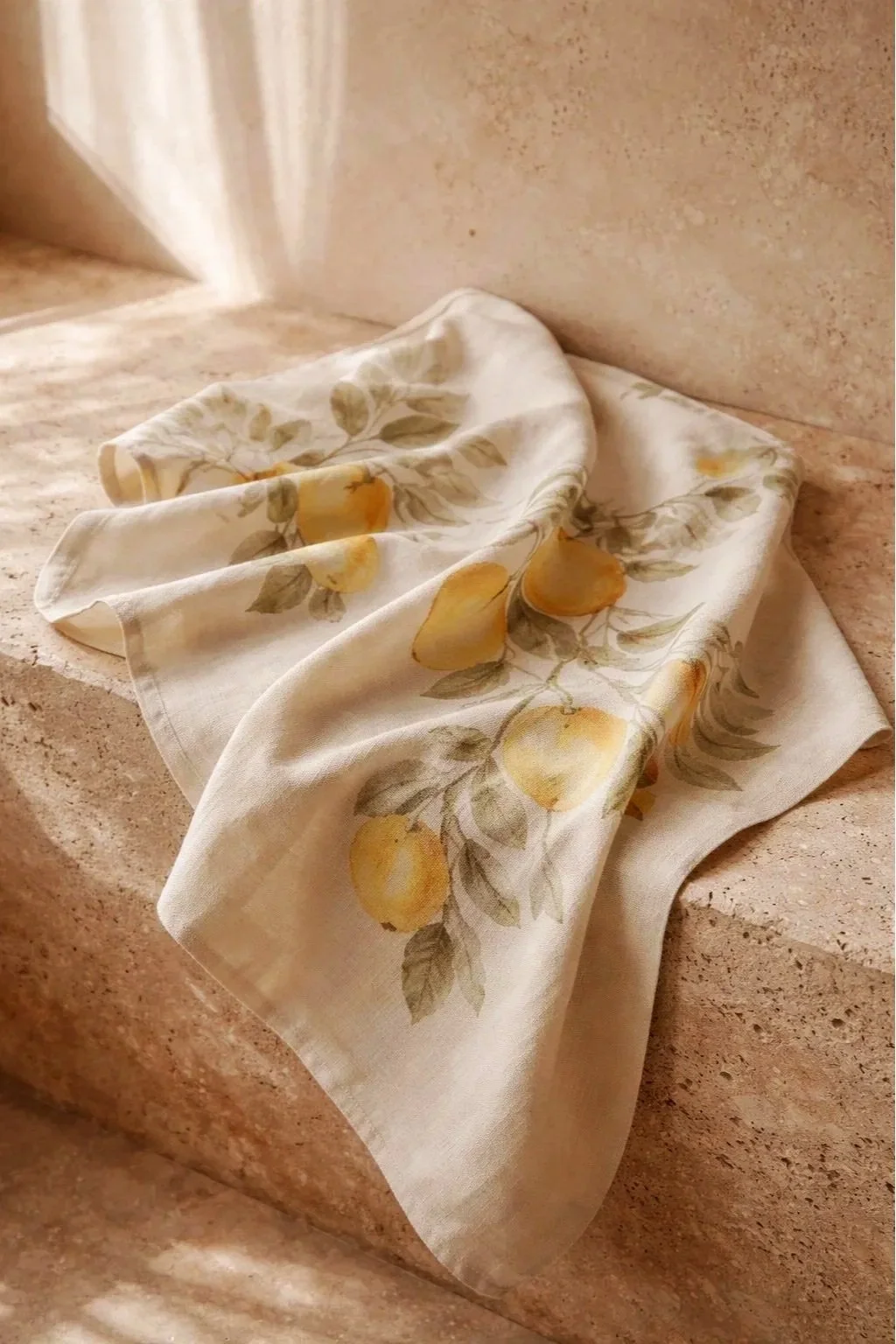
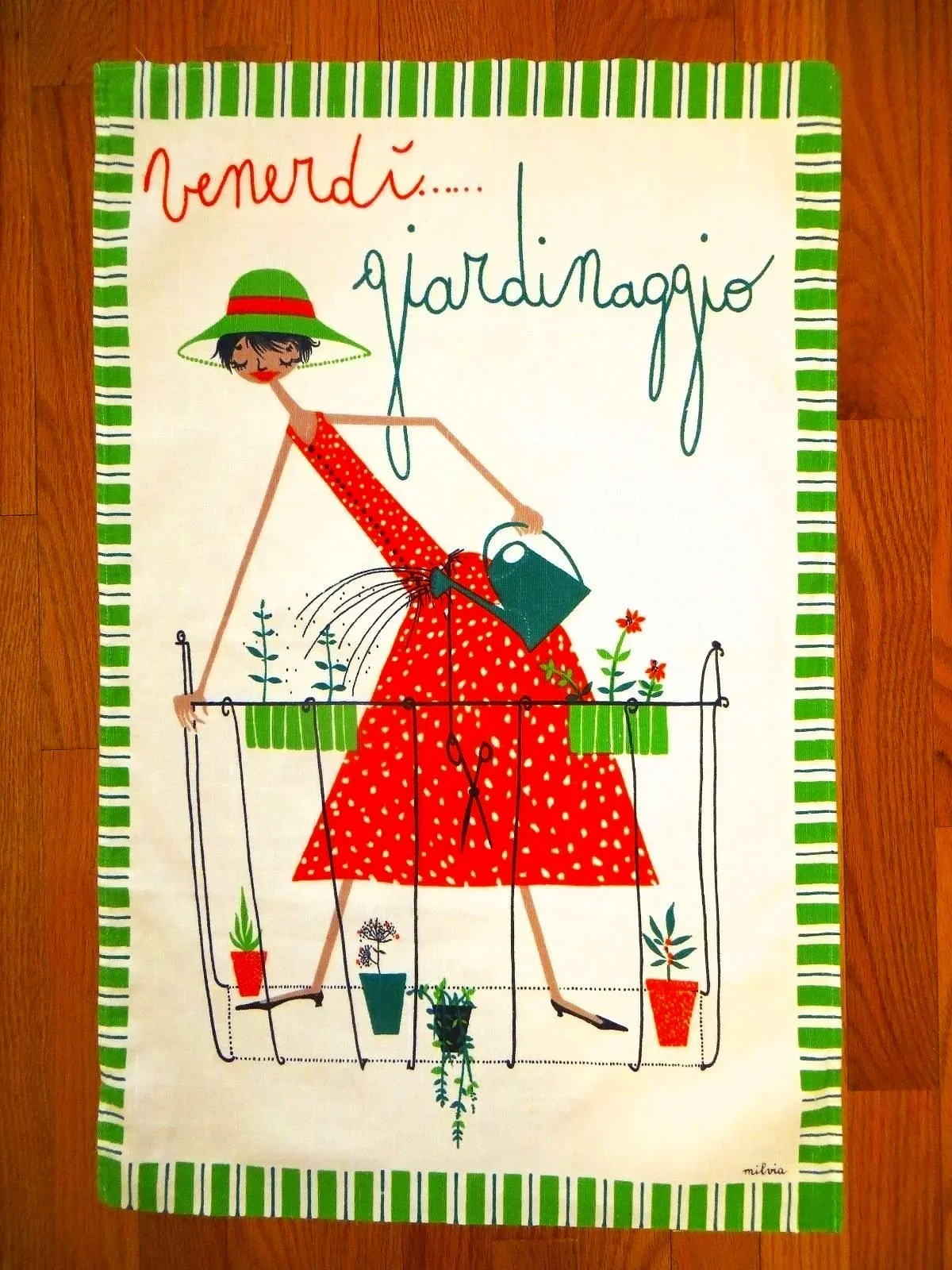
Coastal towns inspired nautical stripes and seaside imagery, while market life found its way into illustrated produce, handwritten typography, and playful references to daily shopping in the piazza. What began as a practical household textile gradually became a small canvas for regional identity and pride.
The Many Uses
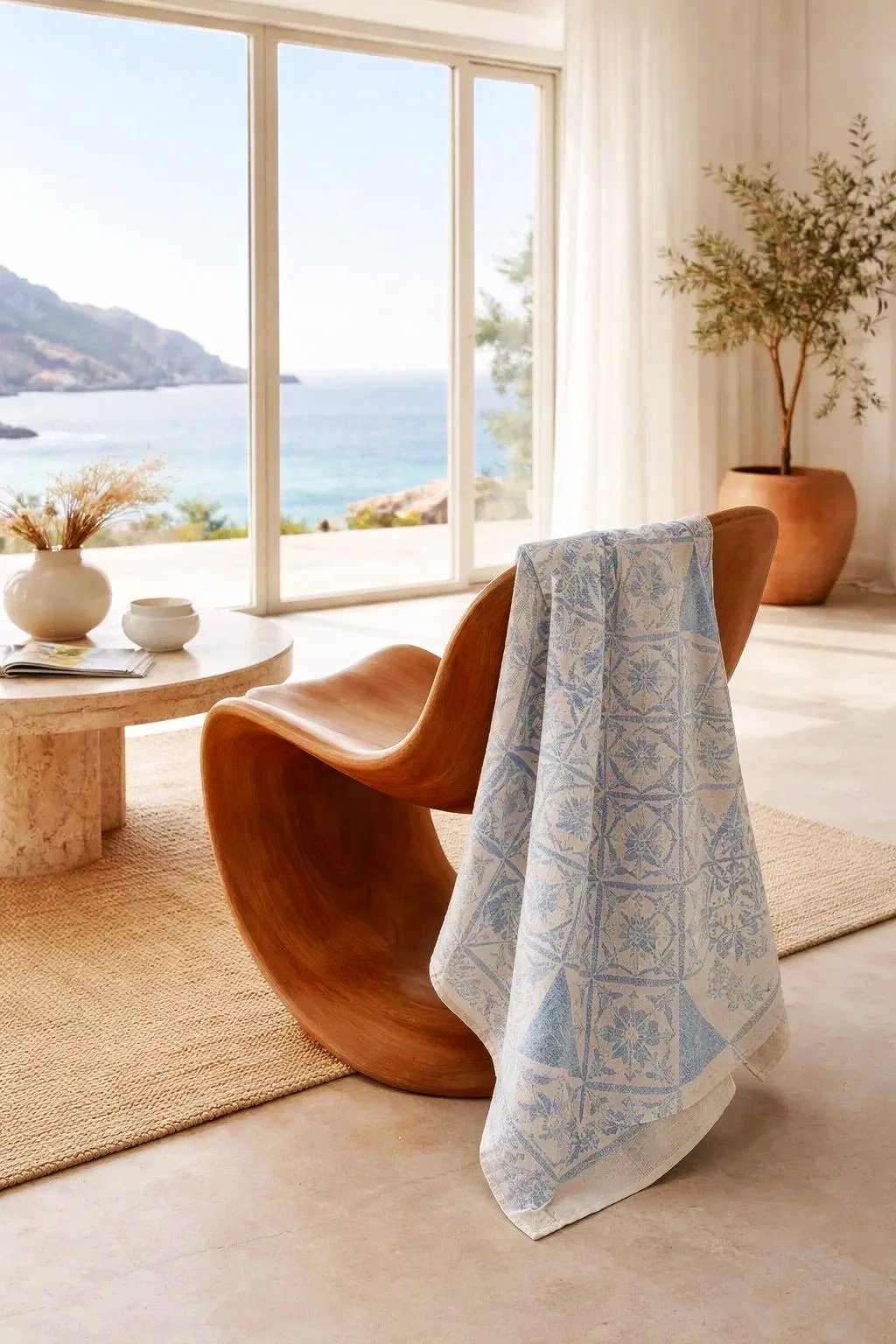
In the Italian kitchen, nothing was ever limited to a single function. The tea towel moved fluidly through the home, adapting to whatever was needed in the moment.
It dried dishes and hands after long family meals. It wrapped fresh bread to keep the crust just right. It carried produce in from the garden or local market. It covered bowls of dough as they rose on the counter, protecting them while warmth and time did their work. It polished silver and glassware before gatherings, bringing shine to the table. It could even be tied around basket handles or used as a lining, adding protection and charm.
Through constant use, the tea towel became softer, more absorbent, more personal. Stains were not failures but rather evidence of life unfolding, tomato sauce from Sunday lunch, olive oil from a hurried drizzle, flour from early morning baking.
Women & Ingenuity
At the heart of this story are the women who gave the tea towel its many lives. Mothers, grandmothers, and aunts carried a kind of domestic ingenuity that transformed the ordinary into the essential. They knew how to stretch resources, how to mend rather than replace, and how to make one object serve a dozen purposes.
A tea towel was never “just” a towel. It was a pot holder in a hurry, a bread wrap, a basket liner, a surface protector, a cleaning cloth, and sometimes even a decorative touch draped over a table or shoulder.
Its versatility reflected a broader philosophy, such as… ‘Care for what you have, use it well, and let beauty emerge from usefulness’.
This daily labor that is often unseen and undervalued which was in fact a form of artistry. Folding linens neatly, keeping them clean, choosing patterns that brought joy to the kitchen, these were acts of design woven into routine. Through these gestures, women shaped the atmosphere of the home as surely as any architect or decorator.
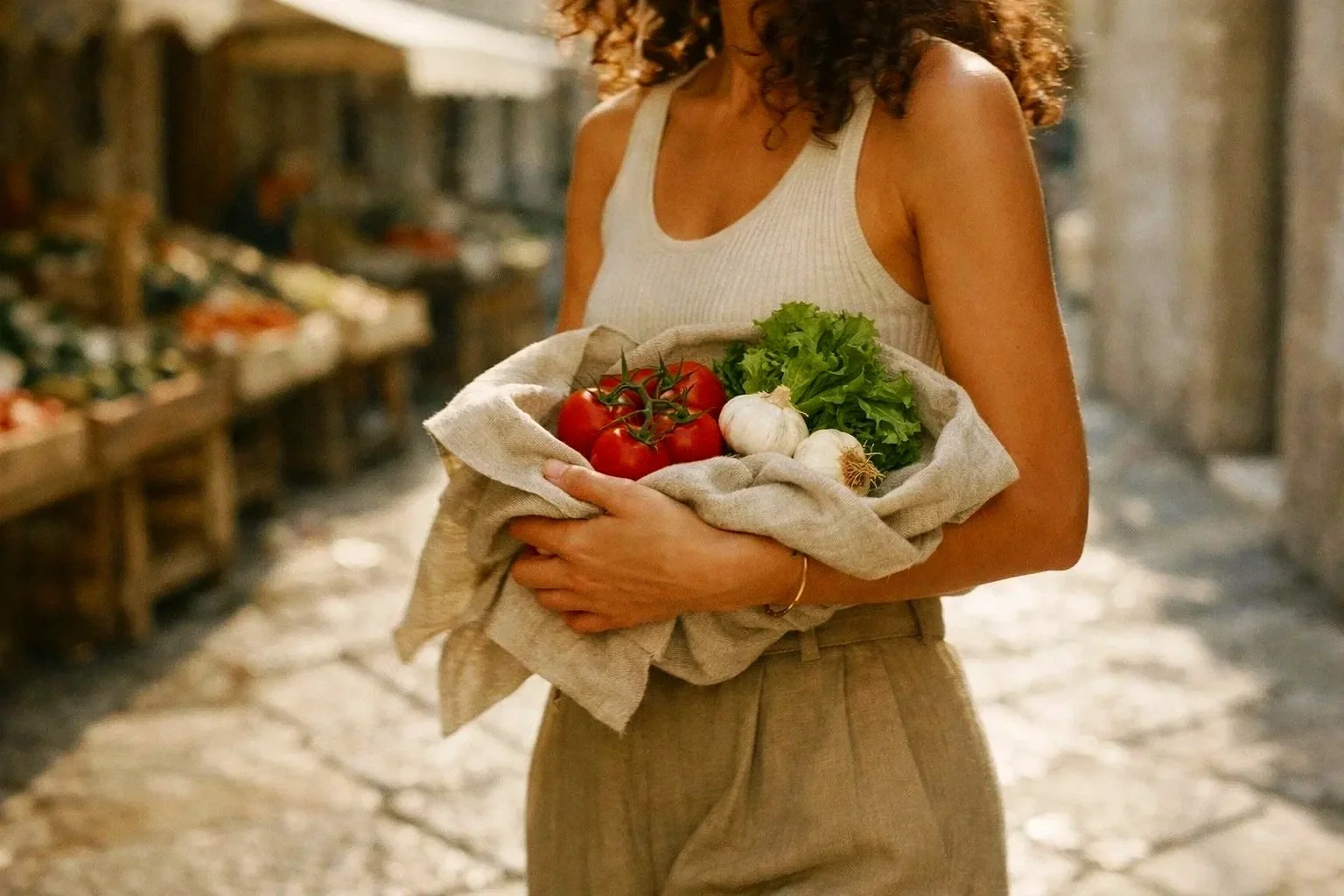
More Than Linen
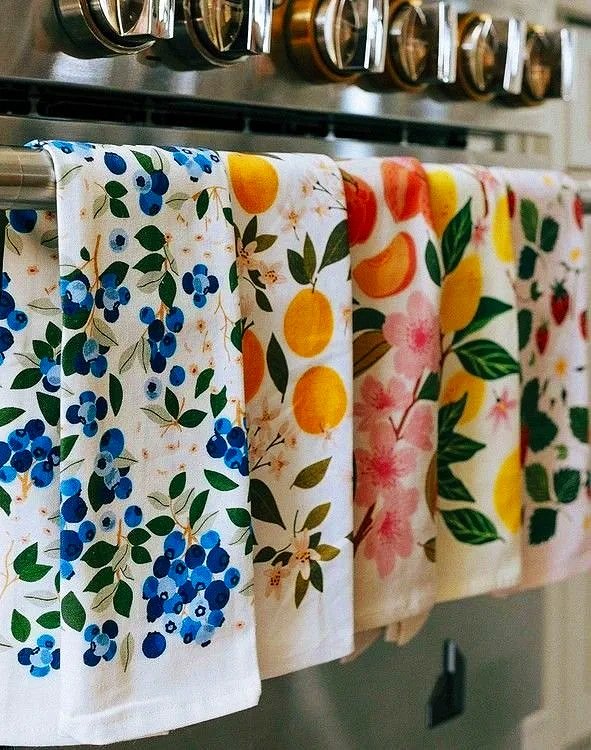
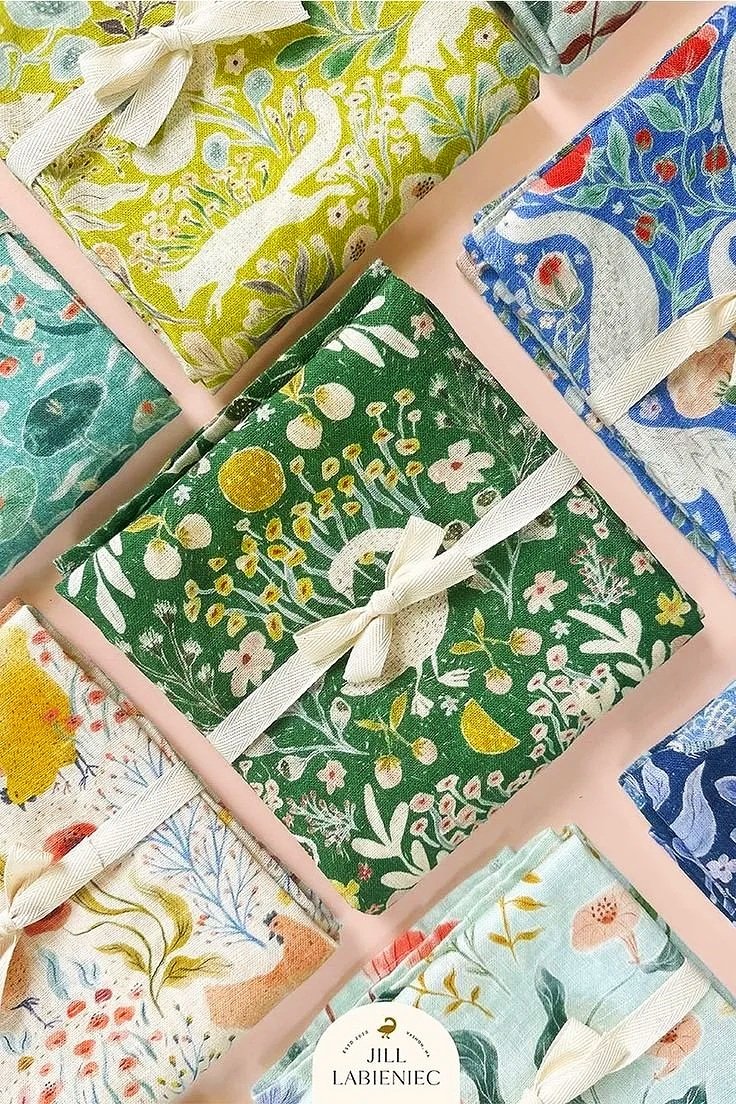
Today, Italian tea towels are admired for their charm, the watercolor designs, patterns, the lively market scenes. Yet their deeper meaning lies not in their prints alone, but in the lives they have supported.
They remind us of a time when objects were kept, repaired, and respected. This is when beauty lived in the everyday and sustainability was simply the natural way of doing things.
In their threads live stories of regions and recipes of migration and memory, of hands that worked tirelessly to make a house feel like a home.
To look closely at an Italian tea towel is to see more than fabric. It is to see heritage made tangible, softened by use, marked by care, and still ready to serve!!
Sources & Inspirations
Blanc Tea Towel — History of the Tea Towel
The Johnston Collection — The Story of the Tea Towel
French Treasures — Les Torchons (French Kitchen Towels)
Tessitura Toscana Telerie — Historic Tuscan linen house
Busatti — Umbrian heritage textiles