
FLORAL WELLNESS BLOOM
MAR - APR 2026 ISSUE
floral wellness bloom
4 WAYS SUBTLE FLORAL PATTERNS ELEVATE HOMES AROUND THE WORLD

There is just something about florals.
Not the loud, crowded prints that dominated decades past, but the softer expressions appearing in homes around the world today, linen cushions embroidered with wildflowers, pale wallpaper that feels almost like a watercolor, delicate patterns appearing where you least expect them.
In design circles, florals are often dismissed as decorative nostalgia. Yet research and centuries of cultural design suggest something deeper. Flowers trigger what scientists call biophilic responses, our natural tendency to feel calmer and happier when surrounded by elements of nature. Studies have even shown that the presence of flowers can elevate mood and reduce stress within minutes.
Across cities like Tokyo, Milan, Copenhagen, and Cape Town, designers are quietly weaving florals back into interiors, not as maximalist statements, but as gentle reminders of nature within modern life.
This spring, subtle floral patterns are blooming again.
Wallpaper Therapy
A soft floral mural can completely change the emotional temperature of a room.
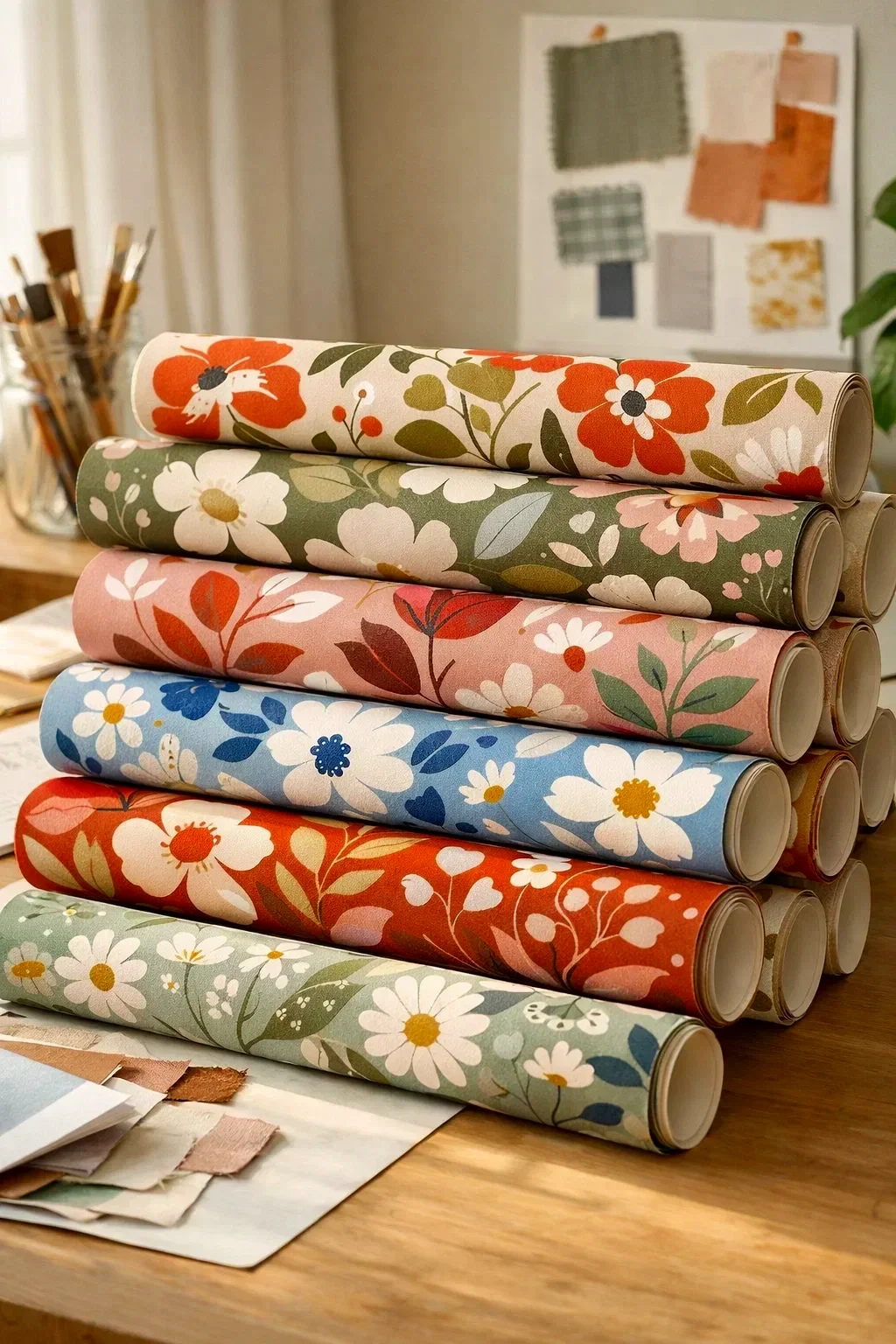
Instead of heavy repeating patterns, many designers are choosing large-scale watercolor florals, wisteria vines climbing up a wall, faded peonies drifting across pale plaster tones, or delicate botanical sketches printed onto textured wallpaper.
These murals don’t overwhelm a space. They soften it.
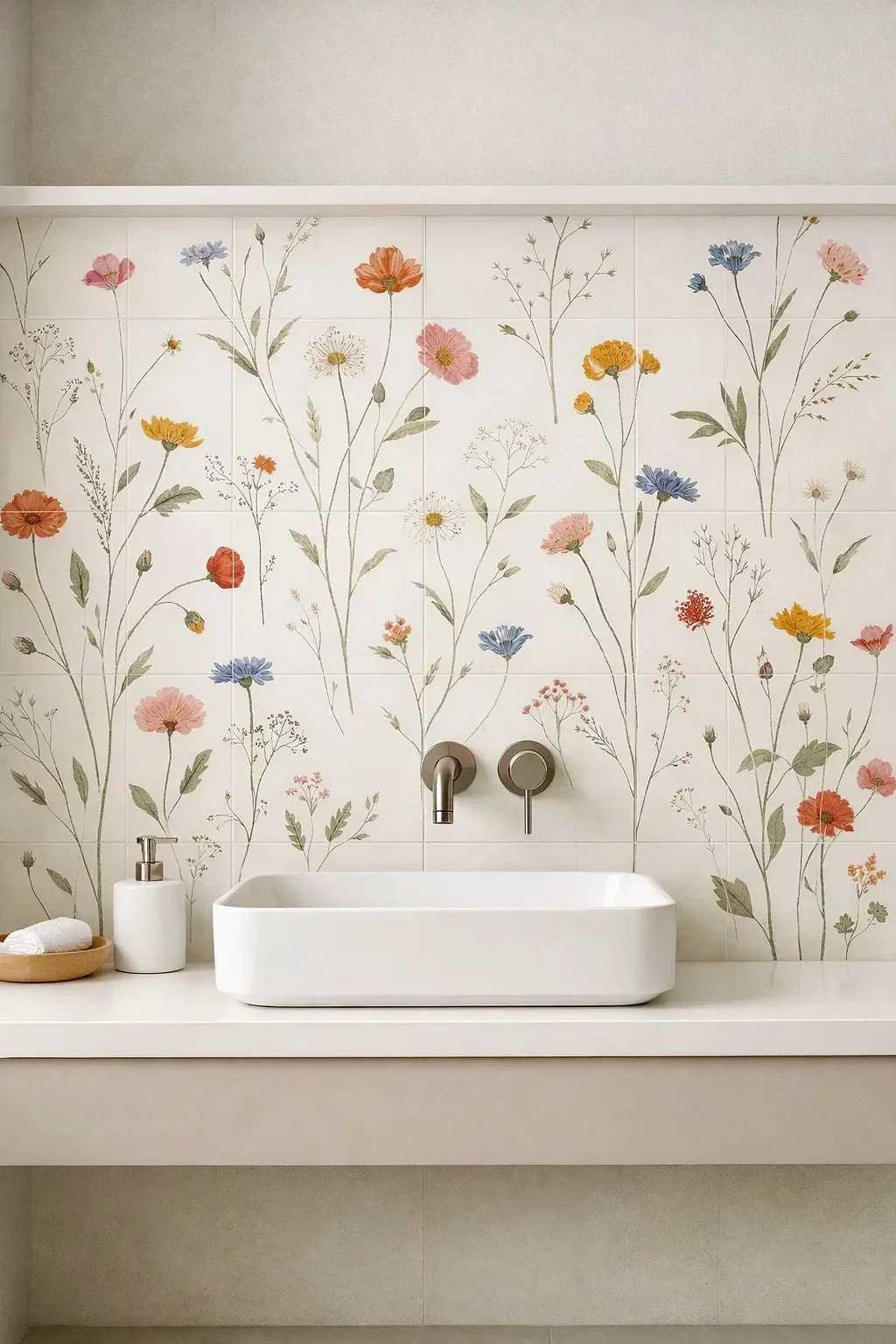
In urban apartments especially, floral walls create a sense of calm that counters concrete surroundings. Researchers from Rutgers University, who studied the psychological impact of flowers, found that exposure to floral imagery can produce immediate happiness responses and long-term positive mood changes.
It is not surprising then that floral wallpapers are returning, not as decoration, but as an emotional architecture.

Textiles That Whisper Nature
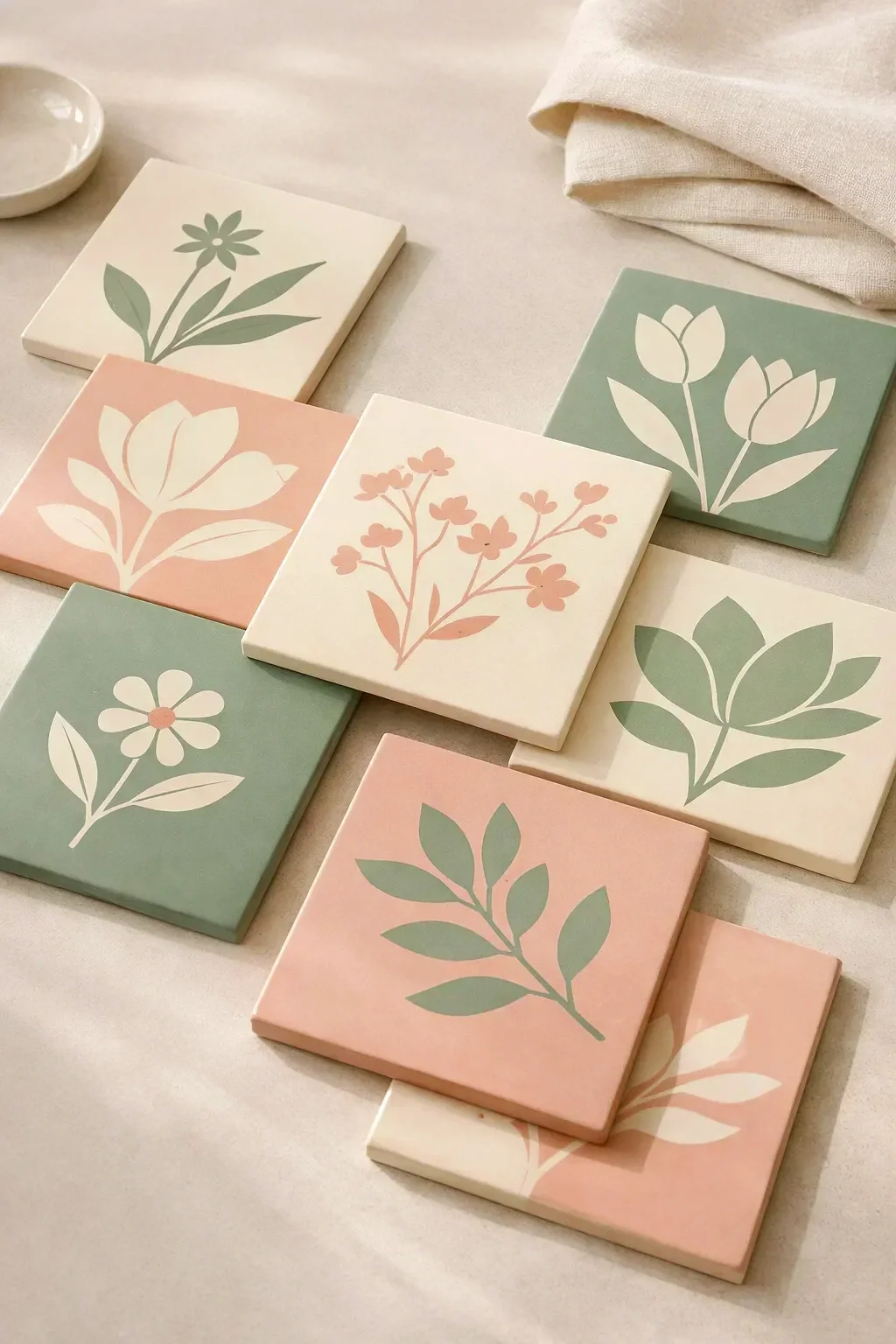
Sometimes the most effective florals are the ones barely noticed.
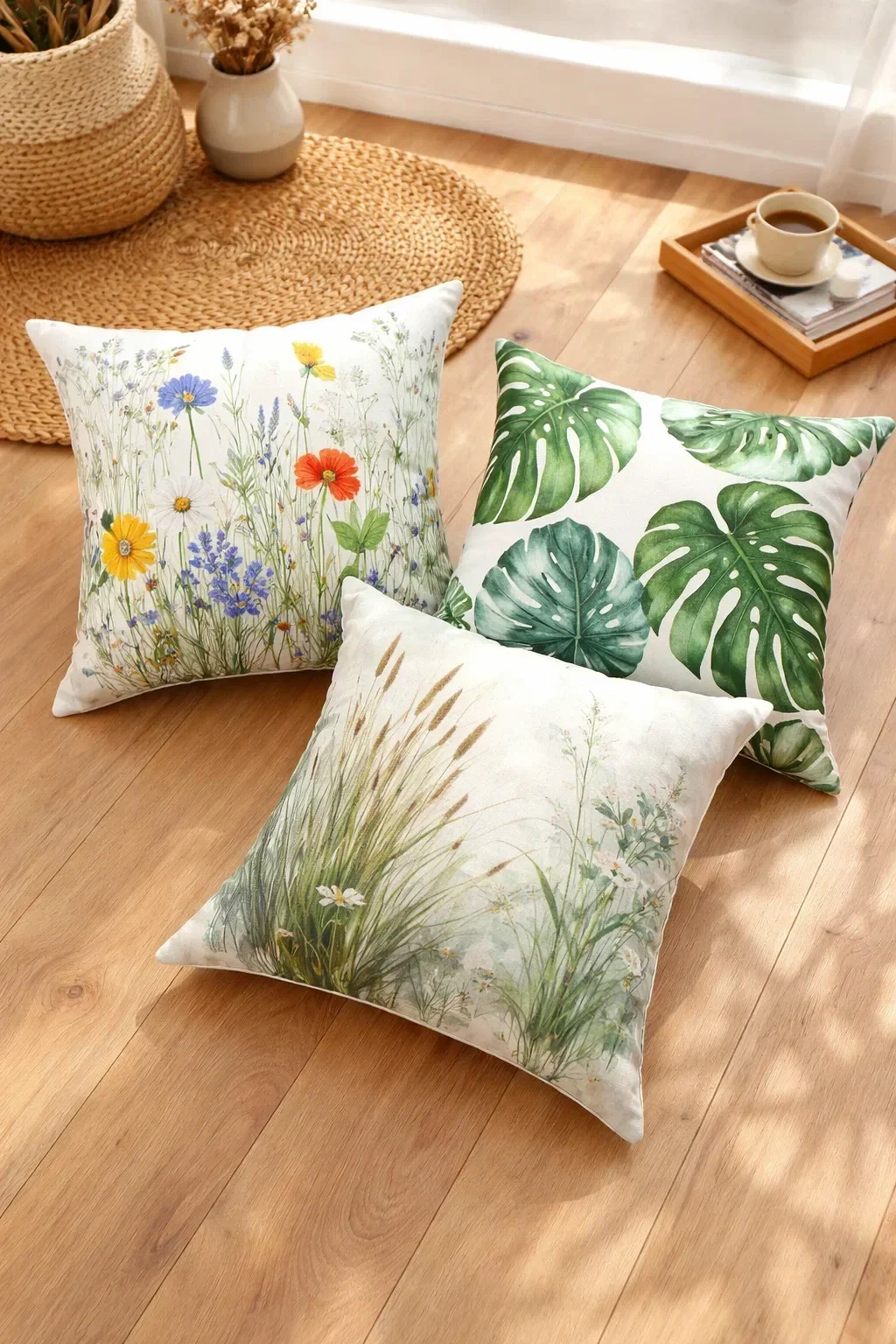
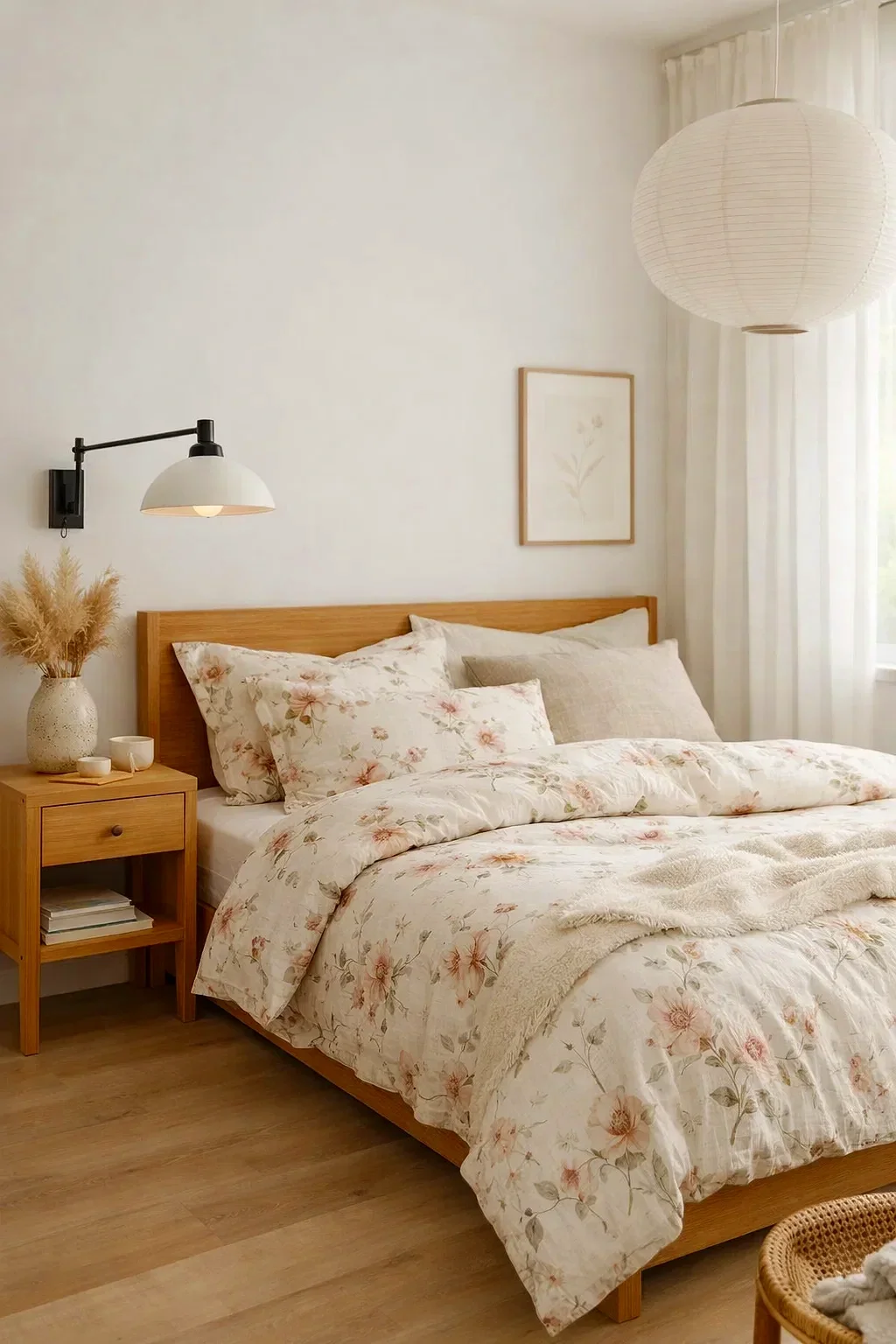
Across Milan and northern Italy, floral patterns often appear through textiles rather than walls, embroidered pillowcases, linen tablecloths, or cotton curtains printed with barely-there botanical shapes.
These pieces bring nature into a room without altering the architecture. A neutral living space can suddenly feel warmer simply through the addition of one floral textile.
What makes these patterns successful is restraint. The palette remains muted, from, dusty rose, pale sage, soft sand.
The result feels less like decoration and more like atmosphere.

Screens, Panels, and Quiet Dividers
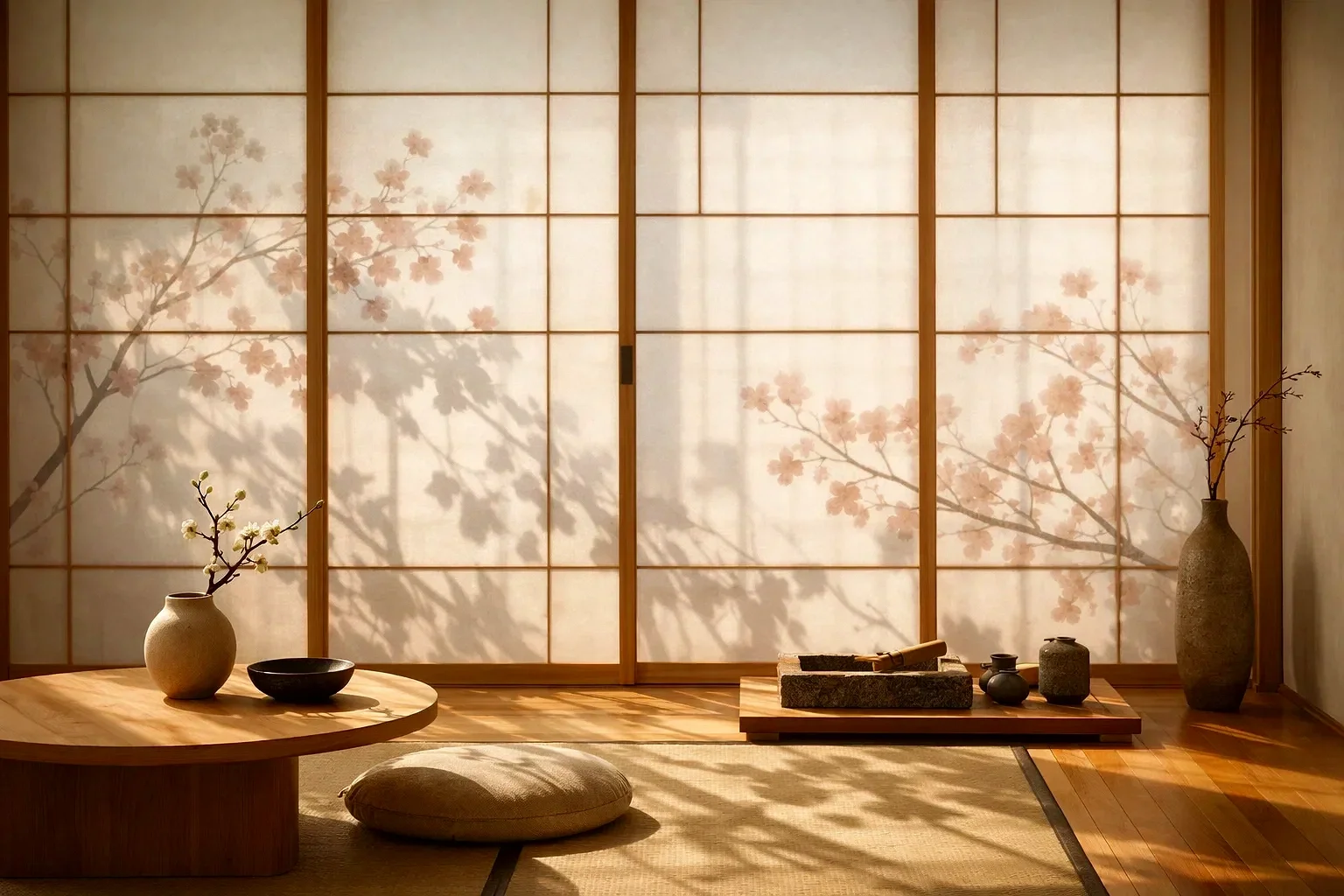
In Japan, floral patterns have long been integrated into interior design through screens and sliding panels.
Shoji screens sometimes carry subtle cherry blossom motifs, painted so lightly that the pattern appears only when sunlight passes through the paper.
This approach reflects a philosophy where nature is not imposed onto a space, but allowed to move through it.
Today, modern designers are adopting similar ideas in contemporary interiors, laser-cut floral panels, frosted glass dividers etched with botanical forms, or translucent room partitions that allow floral patterns to cast shadows across the floor.
The room remains minimal, but nature is present.
Wellness Through Small Details
Perhaps the most beautiful use of florals today is also the simplest.
A ceramic tray painted with wildflowers. A bathroom tile etched with botanical relief. A kitchen tea towel printed with lemons and olive branches.
Sources & Inspirations
House & Garden UK – interior editorials exploring floral wallpapers, textiles, and botanical styling.
Dezeen –contemporary design projects featuring botanical interiors and floral material trends.
ArchDaily – articles on biophilic architecture and nature-inspired interior design