
MAR - APR 2026 ISSUE
DECLUTTERING
Your HoME MIGHT BE OVERSTIMULATING YOU
AND YOU DON’T EVEN KNOW IT
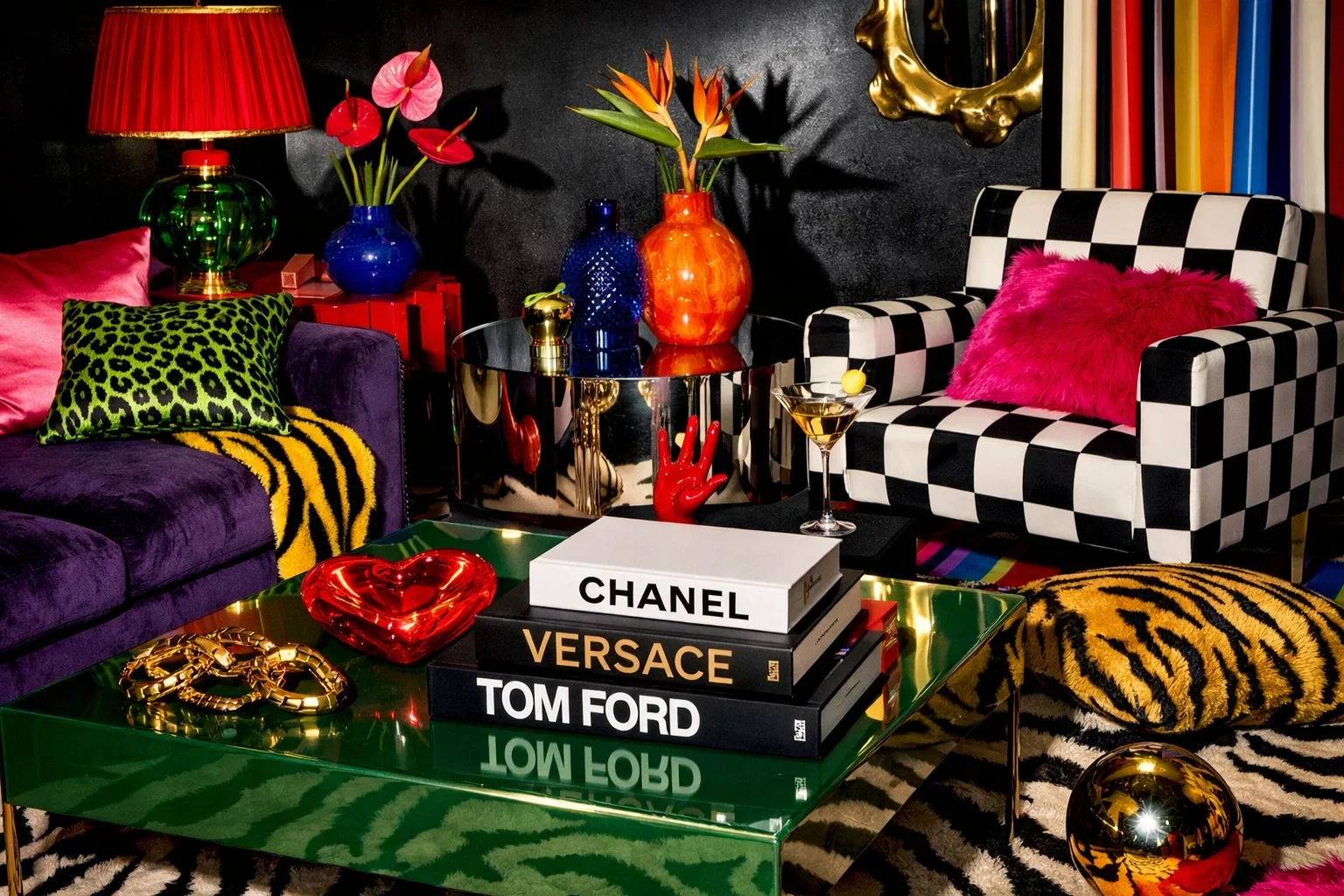
There’s a very specific moment when it hits.
You’re standing in your living room, phone in hand, maybe about to sit down, and instead of relaxing, you suddenly feel the urge to… fix something, fluff a cushion, move a candle, straighten a stack of books that was already straight… You pause, look around, everything is technically fine. So why do you feel slightly irritated?
Welcome to Visual Noise (You Didn’t Sign Up for This)
We talk a lot about noise in terms of sound, but very rarely in terms of what we see.
Visual noise is what happens when your space is doing the absolute most… all at once. Things such as, pattern on pattern, color on color, even objects layered like they’re competing for a role in a reality show. Individually, everything is beautiful. Together? It’s chaos in a silk robe, and your brain, very politely, is trying to manage all of it.
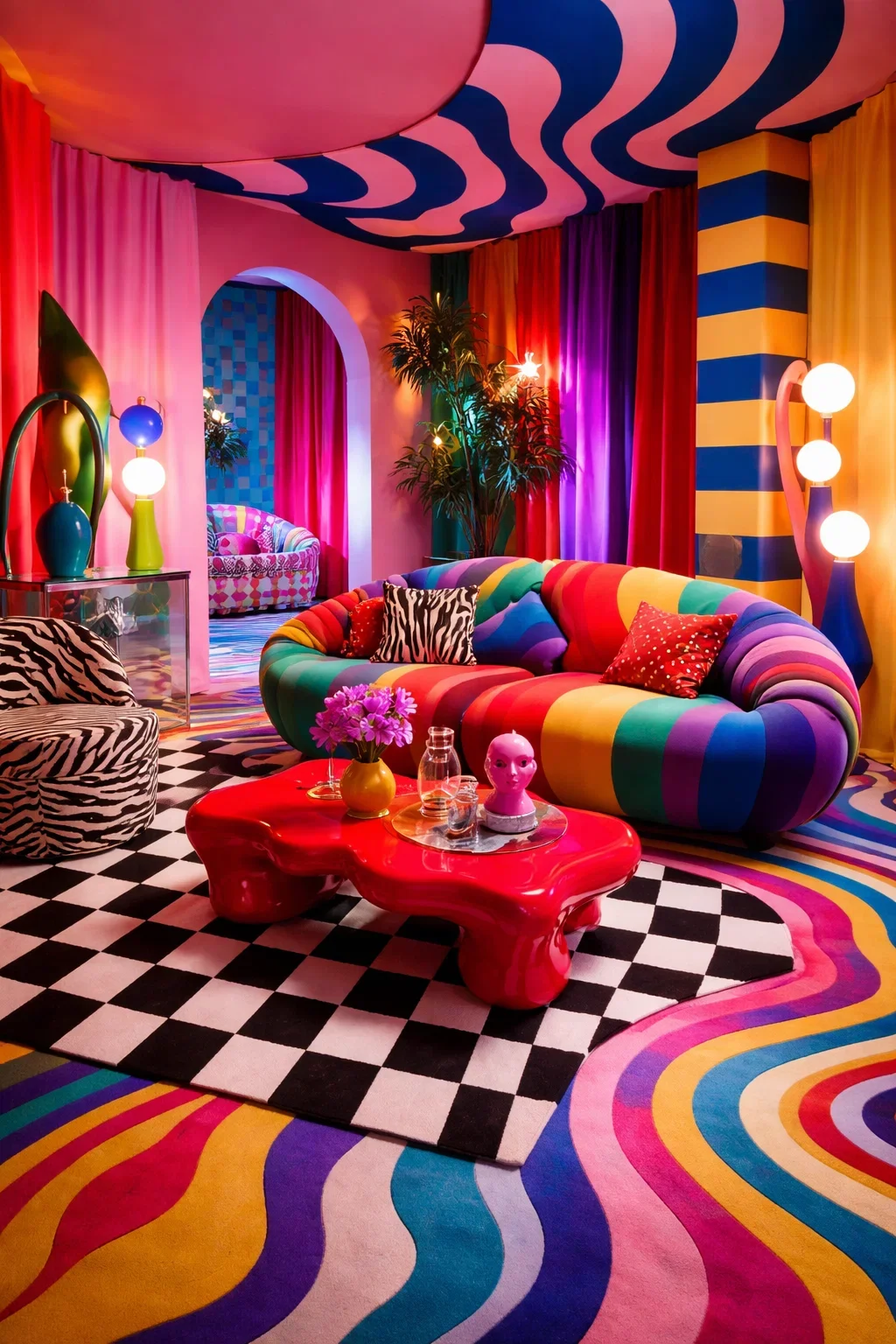
Your Brain Is Basically a Tired Interior Designer
Here’s the part no one tells you… Your brain is constantly editing your environment.
It’s scanning for:
Balance
Symmetry
Contrast
Order
When things don’t quite align, it doesn’t just ignore it, it tries to fix it, quietly, repeatedly. This is where cognitive load comes in. The more information your brain has to process, visually, in this case, the more energy it uses. So that “I’m tired for no reason” feeling? There might actually be a reason.
The “Pinterest Problem” (We’ve All Been There)
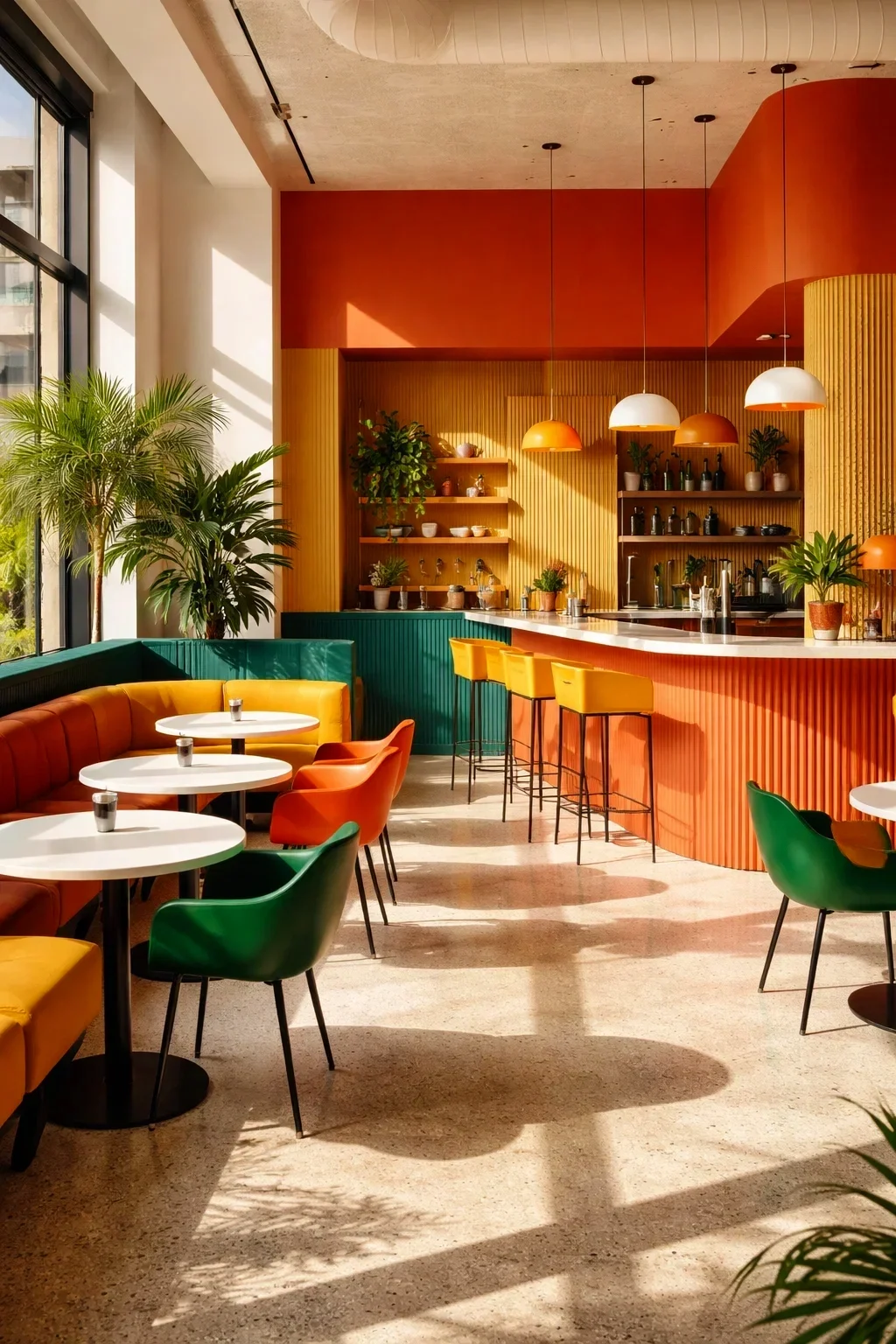
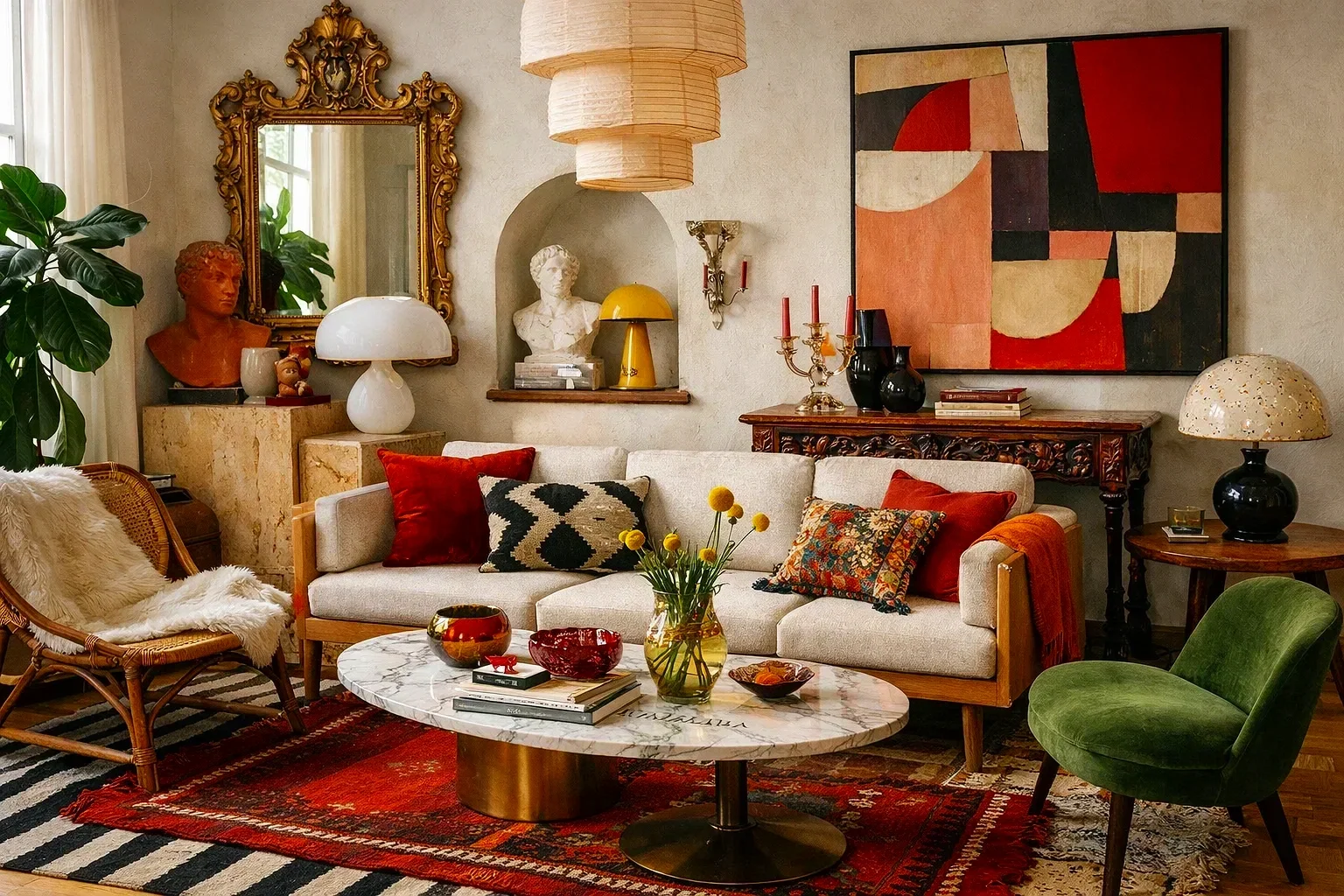
Let’s be honest, at some point, we’ve all decided, “I want my home to look like this.”
And this was:
a Paris apartment
a Scandinavian studio
a Moroccan-inspired lounge
and a touch of Italian summer for personality
…all in one room. Ambitious? Yes. Cohesive? Not always.
And what tends to end up happening is a space full of good ideas… that don’t necessarily belong to the same conversation.
So What Actually Works?
We’re not doing a dramatic “throw everything away” moment. Relax. This is about editing, not erasing.
1. Pick a Main Character
Every room needs one.
A statement chair. A bold artwork. A beautiful table.
Let one thing lead. Everything else? Supporting cast.
2. Give Your Surfaces Breathing Room
If every surface is full, your brain has nowhere to rest.
Try this:
Remove 30% of what’s on your shelves or tables
Step back
Notice the difference immediately
It’s slightly offensive how effective this is.
3. Stop Letting Colors Freelance
If your colors don’t relate, your space feels scattered. You don’t need to go neutral, but you do need cohesion.
Think:
“This color belongs here”
Not:
“This is cute, I’ll make it work”
4. Match the Energy of the Room to Its Purpose
This one changes everything.
Bedroom → calm, soft, low stimulation
Living room → balanced, inviting
Workspace → focused, minimal distractions
If your bedroom looks like a concept store display… we need to talk.
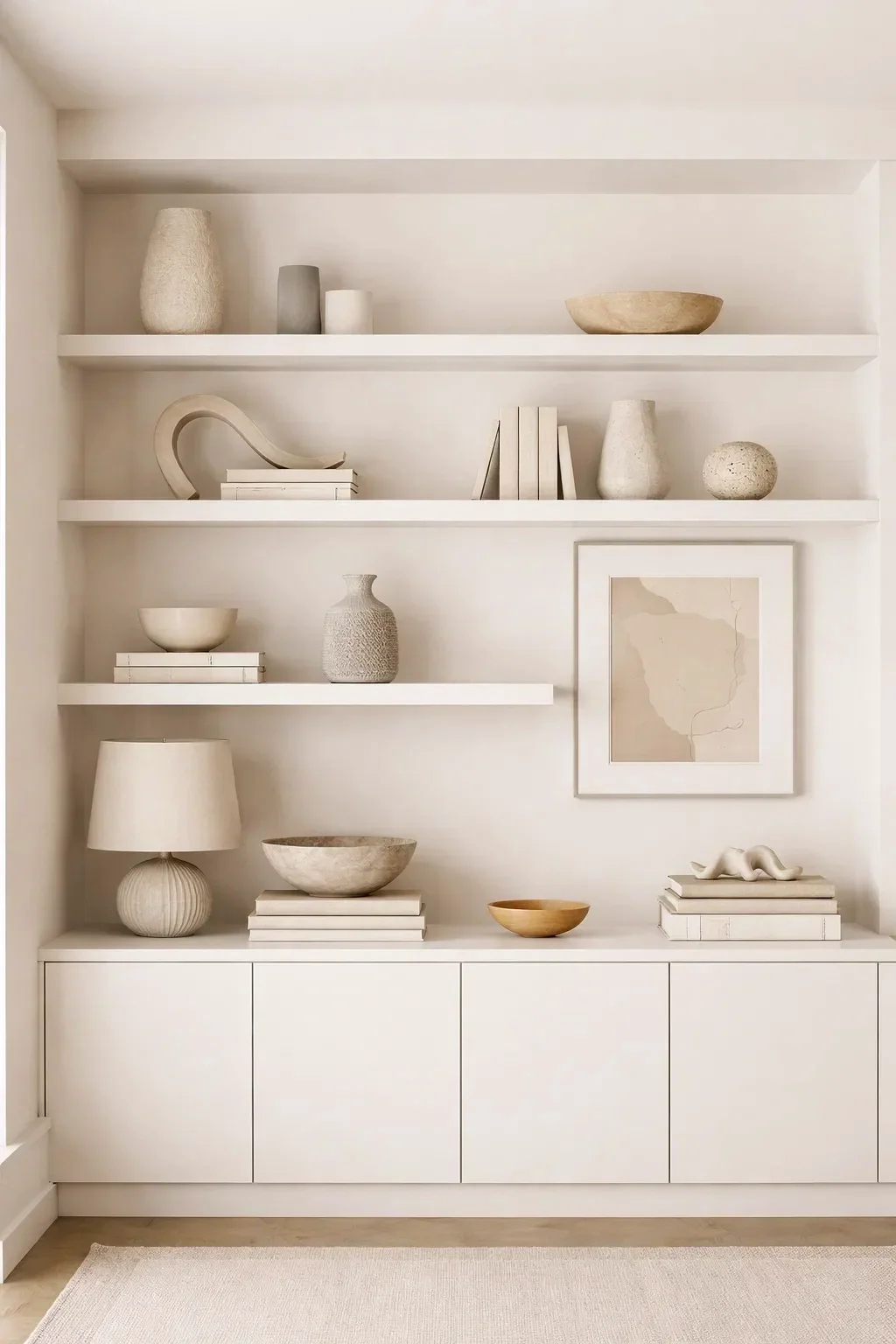
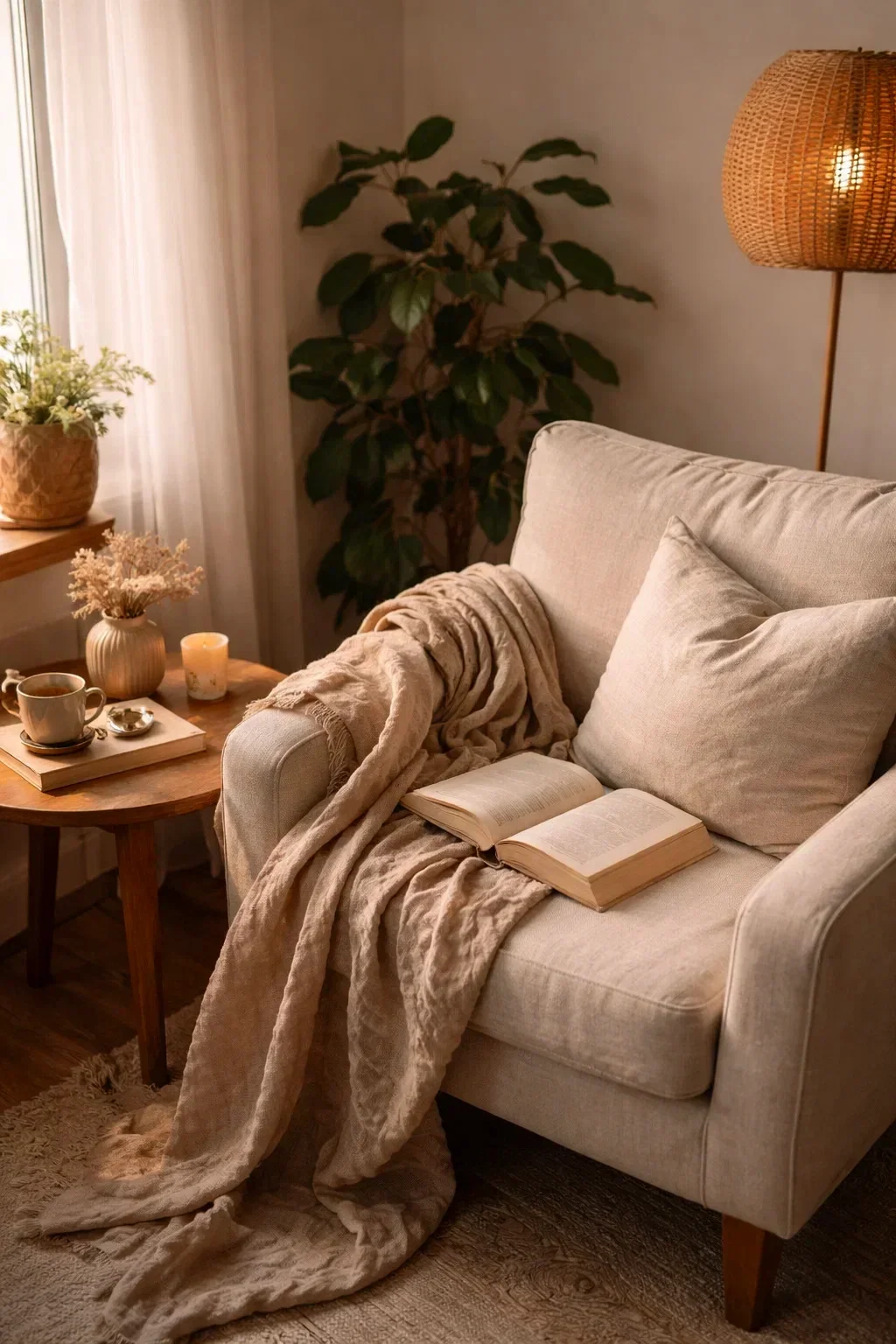
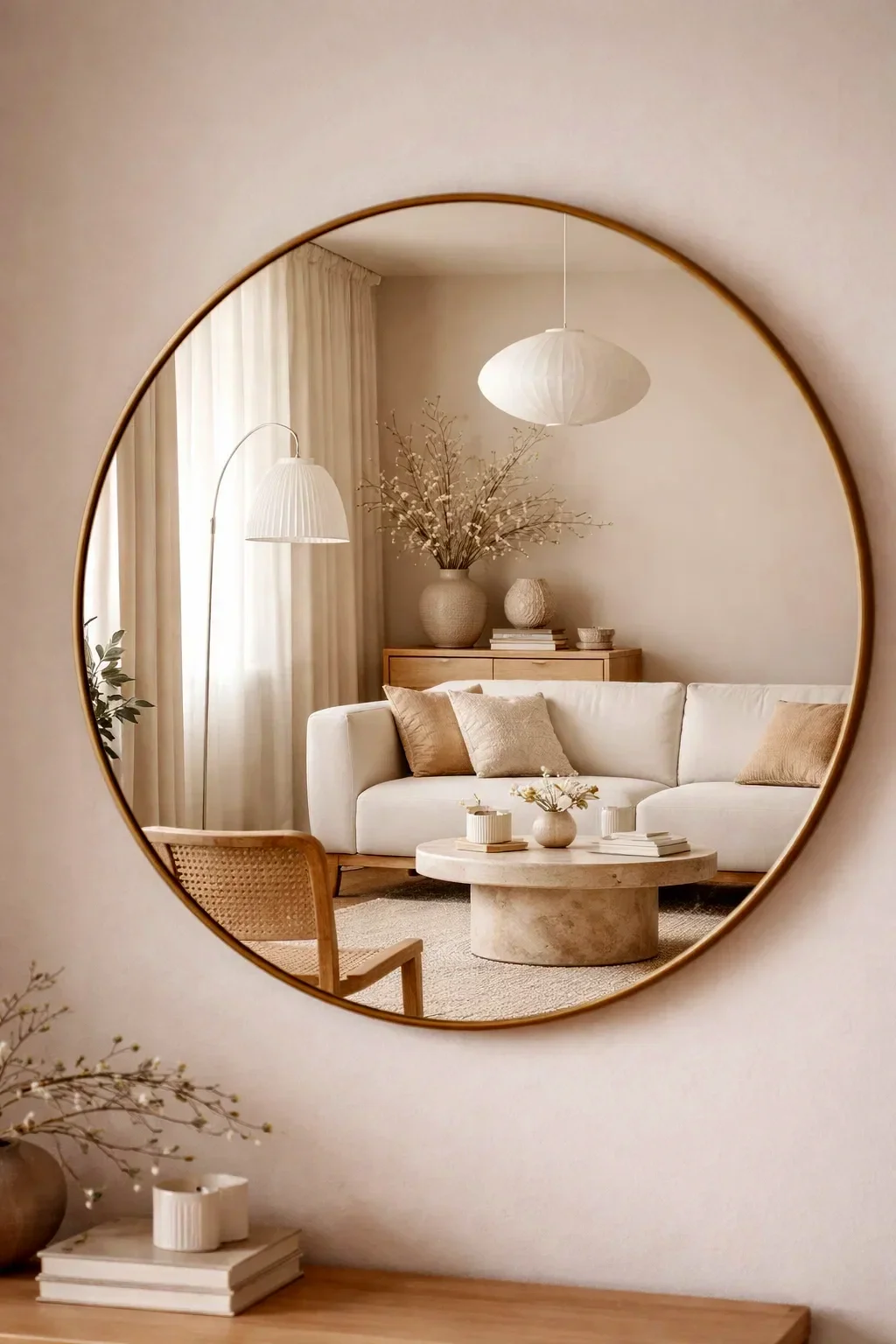
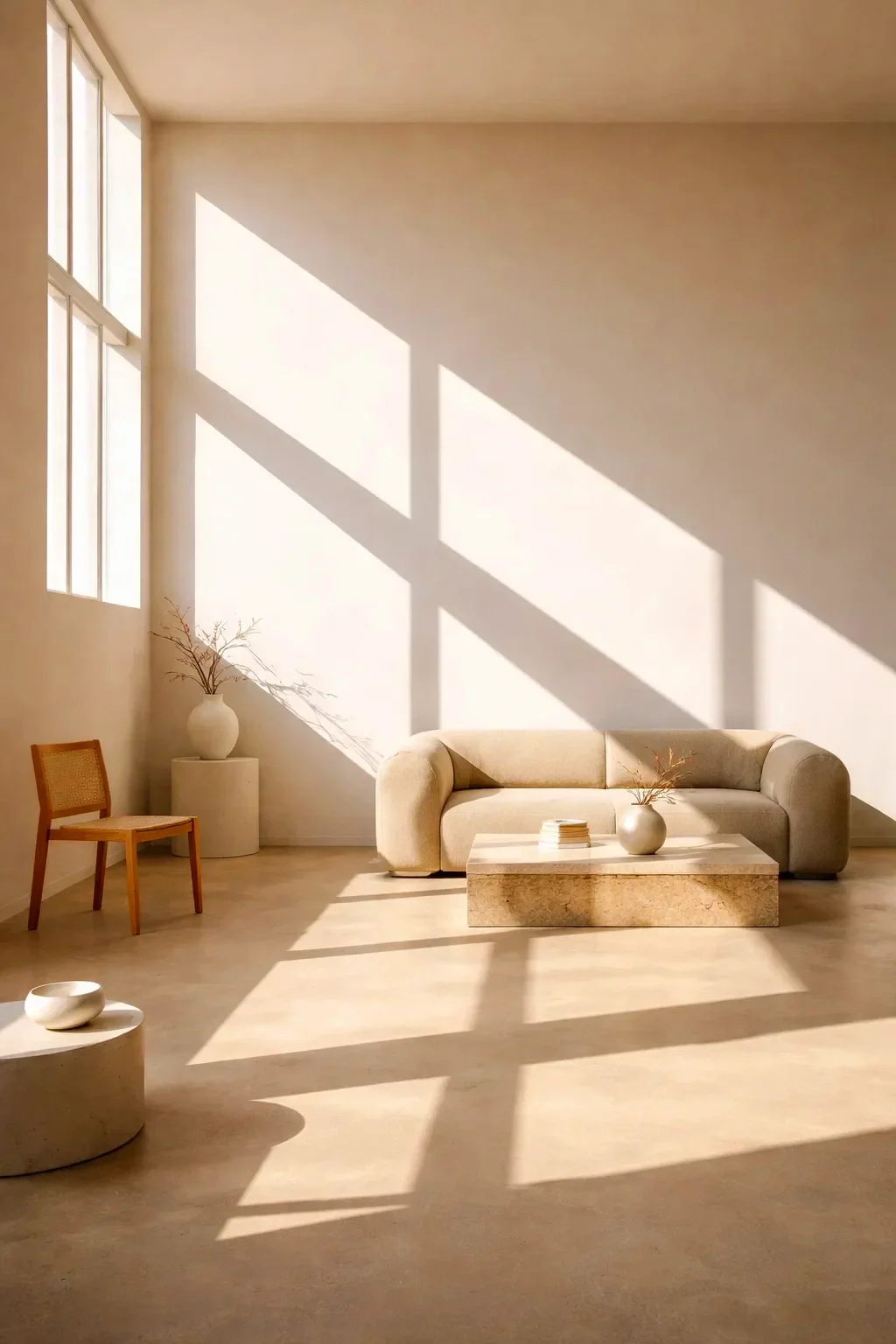
Your home doesn’t need to impress anyone. Not your guests, not the internet, not even your past self with very ambitious Pinterest boards. It just needs to feel good to you. And if something feels slightly off, if you can’t quite settle, can’t quite switch off, it might not be you, it might just be that your space is talking a little too loudly.
And all it needs… is for you to turn the volume down.