
MAY - JUN 2026 ISSUE
DESIGN & PSYCHOLOGY
BEAUTIFUL, BUT BURNING
THE FIRE HAZARDS HIDDEN IN BEAUTIFUL HOMES

The Day My Apartment Tried to Become a Bonfire
A few weeks ago, I had a rather unexpected interior design experience…
One moment I was warming my apartment with an old gas heater, the next, I was learning just how quickly a room can go from comfortable to catastrophic.
Without warning, flames shot upward from the unit. My immediate concern was less about the heater and more about my face, my hair, and whether I was about to recreate the famous Michael Jackson Pepsi commercial accident in my own living room.
Fortunately, nobody was hurt, my apartment survived, my hair survived, my dignity is still under review… But the experience changed something. For days afterward, I found myself looking around my home differently. Not as a designer, not as an editor, but as someone suddenly aware that many of the things we bring into our homes, or place near one another, can become dangerous, surprisingly quickly.
The more I researched, the more I realized something fascinating, some of the biggest fire hazards are often found in the most beautiful homes.
When Aesthetics Win Over Common Sense
Design culture has become incredibly visual.
We save inspiration from Pinterest. We admire perfectly styled hotel rooms. We recreate magazine-worthy corners of our homes, but sometimes beauty creates blind spots.
A candle placed beneath floating shelves looks charming, until heat begins collecting above it.
A chunky knit throw draped beside a fireplace feels cozy, until an ember decides otherwise.
A lamp hidden behind linen curtains creates a soft glow, until the fabric gets a little too close.

The problem isn't beautiful design, the problem is forgetting that physics exists, and fire, unfortunately, is not interested in aesthetics.
The Candle Obsession
Let's talk about candles…
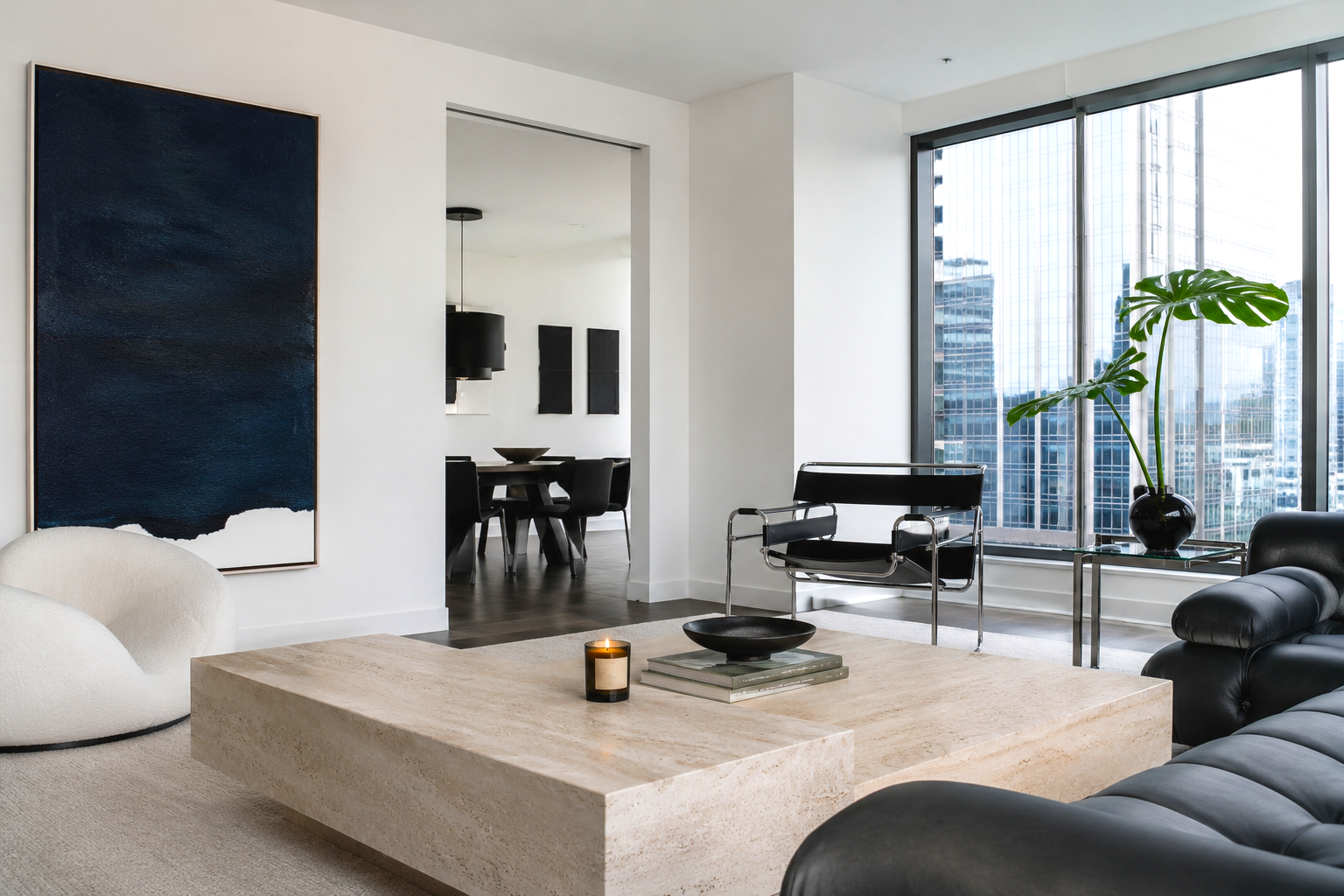
Because if interior design had an unofficial mascot, it would probably be a scented candle sitting on a coffee table beside a design book. Candles make spaces feel intimate right?! They soften rooms, create atmosphere, they smell like things we've never actually experienced in nature.
Who exactly knows what "Mediterranean Cashmere Fig Sunset" smells like? But we buy it anyway. The issue is placement. Many house fires begin with candles positioned too close to curtains, books, dried florals, artwork, or shelving.
One of the most common styling techniques in interiors is clustering decorative objects together, one of the least common things fire enjoys is personal space.
THE SURPRISING DANGER OF DRIED FLOWERS
This one shocked me… Dried florals have become incredibly popular.
Pampas grass
Dried hydrangeas
Preserved arrangements
Decorative reeds
They're beautiful, they're textural, they're sophisticated, they're also surprisingly flammable!
Many dried arrangements ignite significantly faster than living plants because moisture has been removed from the material.
In other words, that elegant arrangement you've lovingly styled beside your candle, may actually be participating in a very dangerous partnership.
The Extension Cord Nobody Wants To Talk About
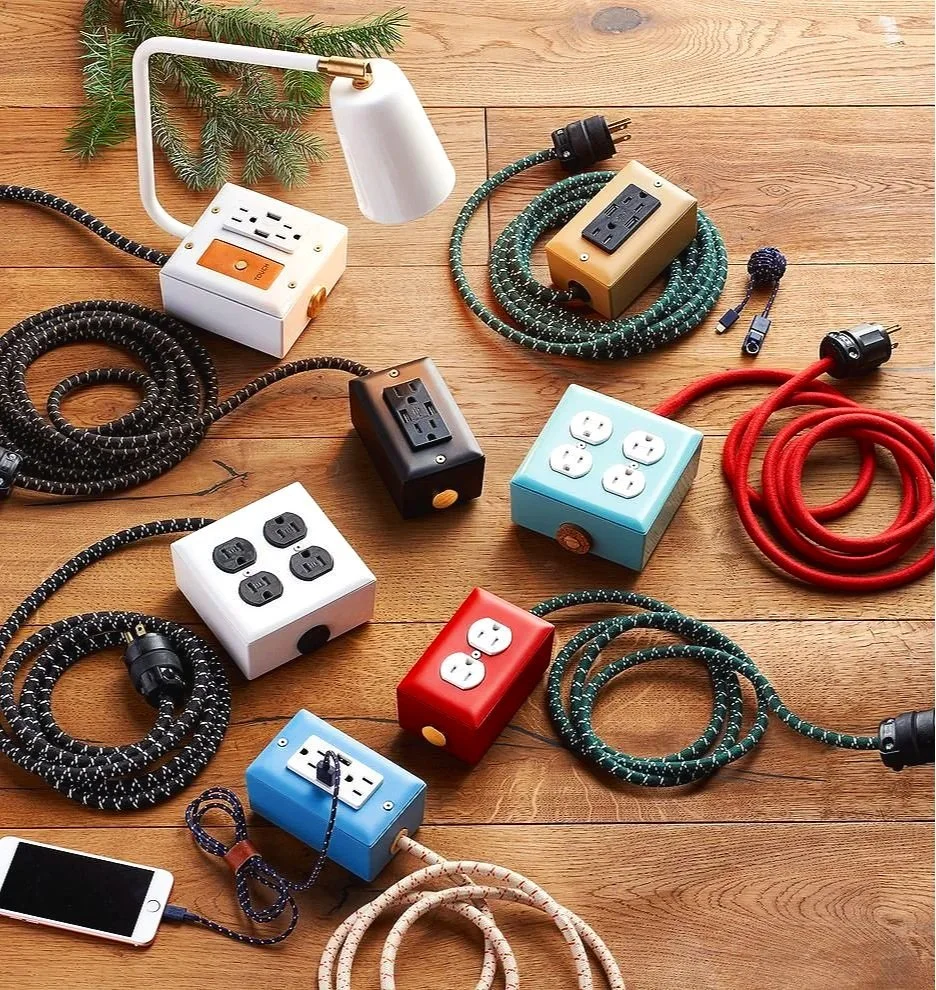
Every beautiful room has one secret, a nest of cables hiding somewhere. Behind the TV unit, under the desk, behind the sideboard, and tucked behind the nursery dresser.
And while extension cords are incredibly useful, they're often overloaded, and designers spend hours hiding visual clutter. Electrical systems, unfortunately, still need breathing room. One overloaded multi-plug adapter can create enough heat to start a fire, particularly when hidden beneath rugs, furniture, or piles of fabric.
Out of sight should never mean out of mind.
The Luxury Fabric Problem
One of the unexpected things I discovered while researching this article is how differently fabrics react to fire. Natural wool is generally more resistant to ignition than many synthetic materials and certain synthetic fabrics can melt rapidly when exposed to heat.
Which means some of the most luxurious-looking throws, cushions, and decorative textiles may behave very differently than expected during a fire. The lesson isn't to panic, the lesson is to know what you're bringing into your home.
Luxury should be informed and not just beautiful.


Fire Fact
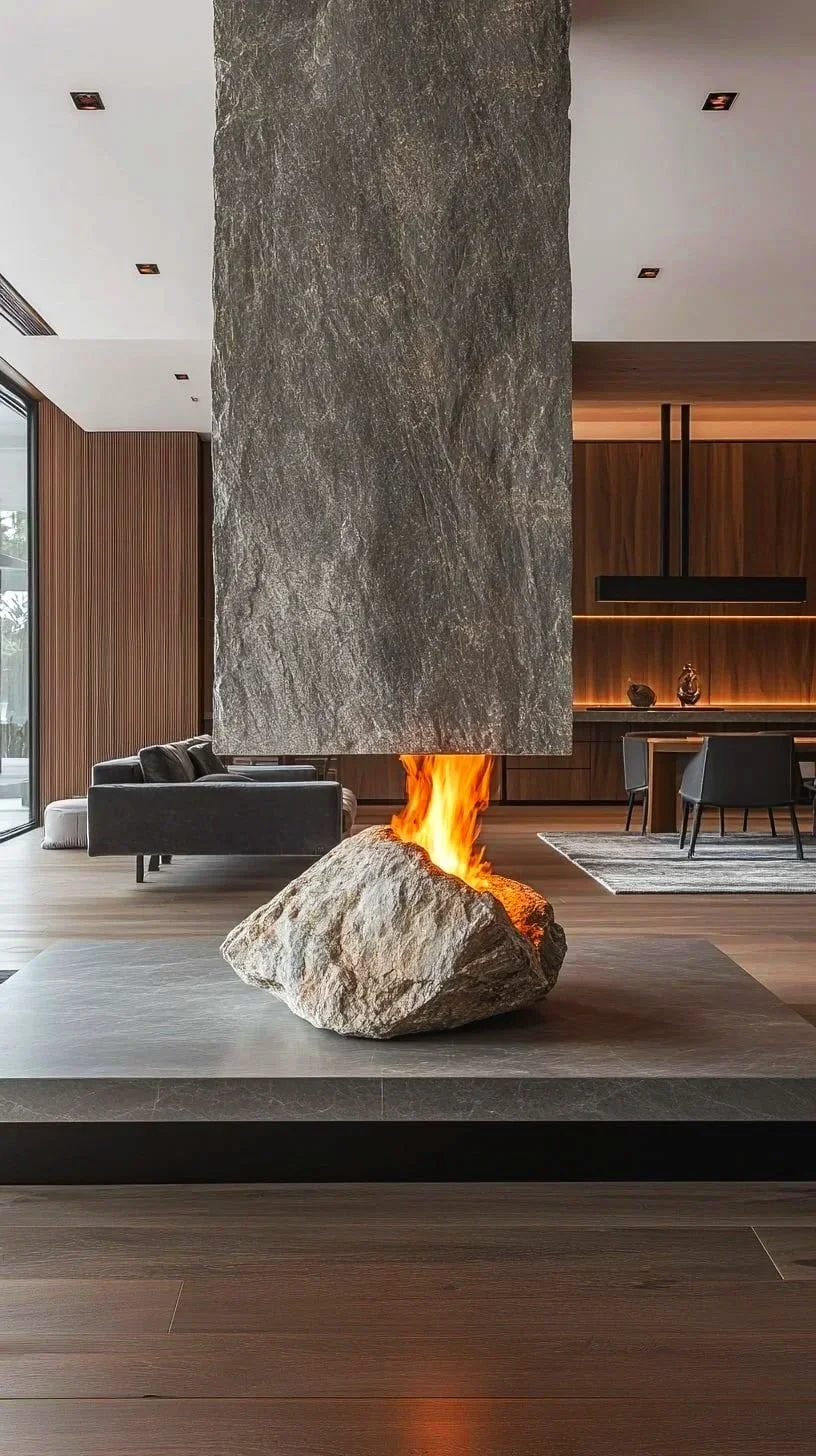
Ready for a jaw-dropping statistic? A small residential fire can double in size in less than a minute under the right conditions. Less than a minute!!!
That's shorter than the time it takes to make a cup of coffee, or decide what to watch on Netflix, or maybe convince yourself you'll fold the laundry tomorrow.
Fire moves astonishingly fast.
Which is why prevention matters so much more than reaction.
Sources & Inspirations
National Fire Protection Association (NFPA) - https://www.nfpa.org
U.S. Fire Administration – Home Fire Statistics & Prevention - https://www.usfa.fema.gov
Electrical Safety Foundation International - https://www.esfi.org
American Academy of Pediatrics – Nursery & Home Safety Guidance - https://www.aap.org
Royal Society for the Prevention of Accidents (RoSPA) - https://www.rospa.com
Harvard T.H. Chan School of Public Health – Healthy Buildings Research
Interior safety recommendations from hospitality, residential design, and building safety best practices.
Images from Pinterest